Molecular diagnostic systems are transforming healthcare by enhancing efficiency. These innovative tools significantly impact patient outcomes by providing rapid test results. The ability to deliver timely diagnostics is critical, especially in urgent medical situations.
A key question arises: how do molecular diagnostic systems reduce turnaround time? By automating processes, these systems eliminate manual steps. This automation minimizes the risk of human error. Advanced technologies, such as PCR and NGS, streamline result generation. They allow labs to handle higher volumes of tests with less delay.
Despite these advancements, challenges remain. Not all systems are equally effective. Variability in implementation may lead to inconsistent results. Continuous evaluation and adaptation are necessary for improvement. Ensuring reliability while expediting results is an ongoing quest for the field.
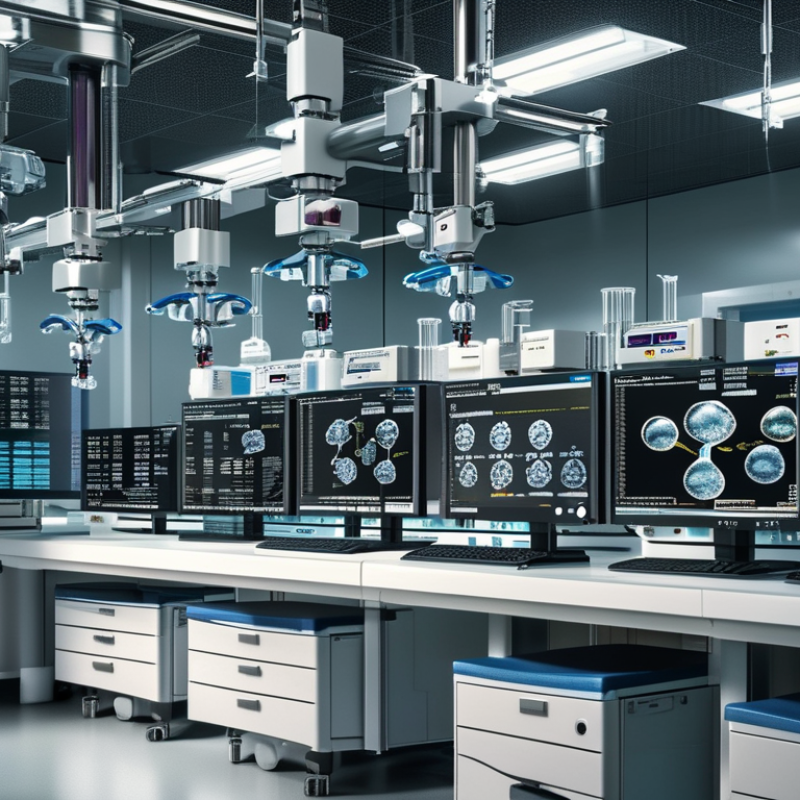
Molecular diagnostic systems play a crucial role in modern medicine. They provide quick and accurate results for various diseases, significantly reducing turnaround time for test results. According to a report by Grand View Research, the global molecular diagnostics market is expected to reach $23.61 billion by 2028, with an annual growth rate of 10.8%. This rapid growth indicates the rising importance of molecular diagnostics in improving patient outcomes.
These systems utilize techniques such as PCR and next-generation sequencing. Such methods enable the detection of pathogens with high sensitivity and specificity. In acute settings, results can be obtained in under an hour, compared to several days for traditional tests. This efficiency can be life-saving for patients in critical condition, underscoring the significance of timely diagnoses.
Despite the advancements, challenges persist. Issues like sample contamination and interpretation errors can impact reliability. A study published in the Journal of Clinical Microbiology noted that up to 20% of tests could yield incorrect results due to these factors. Therefore, continuous improvements in technology and training for healthcare professionals are essential to enhance the reliability of molecular diagnostic systems. Balancing speed with accuracy remains a critical focus in this evolving field.
In molecular diagnostics, turnaround time is crucial. Several key factors significantly influence this metric, notably testing technology, sample processing, and data interpretation. Rapid advancements in testing technology have reduced turnaround times. For example, PCR tests can generate results in hours rather than days. The 2021 report from the Journal of Clinical Microbiology suggests that the best systems now yield results in under six hours.
Sample processing is another bottleneck that affects efficiency. Efficient workflows can minimize delays. A lab employing automated systems can reduce handling times by up to 30%. However, the challenge remains in optimizing these processes across various testing environments. Labs often face inconsistent supply chain issues or varying sample quality, which complicates standardization.
Tips for improving turnaround times include investing in automation and maintaining clear communication between teams. Streamlined processes and consistent training can further enhance efficiency. Regularly reviewing workflows helps identify areas for improvement. Despite available technologies, reliance on human factors retains potential for error. Continuous reflection on these elements is essential for enhancing diagnostic efficiency.
Molecular diagnostic systems are revolutionizing healthcare with their rapid results. Innovative technologies are at the forefront of these developments. For instance, advancements in microfluidics have made it possible to analyze minute samples quickly. This reduces the need for complex procedures and speeds up diagnosis times substantially.
Lab-on-a-chip technology is another breakthrough. It integrates multiple laboratory functions into a single device. This compact design allows for rapid testing and real-time results. As a result, healthcare providers can make informed decisions faster, improving patient outcomes significantly.
When working in this field, remember to always validate your results. Ensure that your methods are reliable and consistent. Regularly review your procedures for potential improvements. Staying abreast of the latest advancements can help you enhance your diagnostic efficiency even further. Explore emerging technologies that could streamline your workflows. Emphasizing precision in diagnostics will lead to better patient care and trust in the healthcare system.
Molecular diagnostic systems have transformed the landscape of medical testing. These systems, utilizing techniques like PCR, offer faster turnaround times compared to traditional methods. A recent report from the American Clinical Laboratory Association indicates that molecular tests can yield results in hours rather than days. This efficiency is crucial for timely decision-making in patient care.
Traditional diagnostic systems often rely on culture-based techniques, which can take several days to produce results. Delays in diagnosis can lead to complications, especially in infectious diseases. In contrast, molecular systems can identify pathogens with high accuracy in a fraction of the time. Research shows that molecular diagnostics can reduce the time to necessary treatment by approximately 24 to 48 hours, significantly improving patient outcomes.
Still, the adoption of molecular diagnostics is not without challenges. The cost of these technologies can be a barrier for some laboratories. Additionally, the complexity of interpreting molecular data requires trained personnel. There is also the risk of false negatives or positives, highlighting that while these systems are advanced, they are not infallible. The journey towards fully integrating molecular diagnostics into clinical practice continues, with stakeholders needing to address these concerns.
Molecular diagnostic systems have transformed the healthcare landscape. They provide rapid and reliable results, significantly reducing turnaround times. Case studies showcase how efficiency impacts patient care directly. One instance involved a regional hospital facing delays in respiratory virus detection. By integrating a molecular diagnostic system, they expedited results from several days to under four hours. This allowed for timely treatment decisions and better patient outcomes.
Another study highlighted a cancer treatment center reducing turnaround times for genetic testing. Previously, results took weeks, complicating treatment timelines. After implementing a streamlined molecular process, results were available within days. This shift enabled oncologists to customize treatment plans sooner, enhancing patient satisfaction and potentially improving survival rates. Nevertheless, the transition is not without challenges. Training and adaptation to new systems can lead to initial disruptions. Each implementation demands careful planning and evaluation.
Overall, these case studies illustrate the compelling benefits of molecular diagnostics. They demonstrate that while the technology is promising, healthcare facilities must remain vigilant about the integration process. Continual assessment is key to maximizing the benefits of reduced turnaround times.
| Case Study | Diagnostic Method | Initial Turnaround Time (Hours) | Reduced Turnaround Time (Hours) | Reduction Percentage (%) |
|---|---|---|---|---|
| Case Study A | PCR | 48 | 24 | 50% |
| Case Study B | Next-Generation Sequencing | 72 | 36 | 50% |
| Case Study C | LAMP | 30 | 15 | 50% |
| Case Study D | Microarray | 60 | 25 | 58.33% |
| Case Study E | Digital PCR | 40 | 20 | 50% |
: Turnaround time is crucial for timely patient care. It impacts treatment decisions directly.
Advanced testing technologies like PCR reduce turnaround times significantly. Results can be available in hours.
Efficient sample processing is key to minimizing delays. Automated systems can cut handling times by up to 30%.
Labs face inconsistent supply chains and varying sample quality. These issues complicate standardization and efficiency.
Investing in automation and ensuring team communication is vital. Consistent training and workflow reviews can enhance efficiency.
Yes, hospitals have reduced respiratory virus detection times from days to under four hours using molecular diagnostics.
Quicker results lead to timely treatment decisions. This can improve patient outcomes significantly.
Training and adapting to new technologies can cause initial disruptions. Careful planning is necessary.
Yes, regular assessments help maximize the benefits of reduced turnaround times. It’s essential for ongoing improvement.
Reliance on human input can lead to errors. Continuous reflection on these aspects is vital for improvement.
Molecular diagnostic systems have revolutionized the field of diagnostics by significantly reducing turnaround time, which is crucial for timely patient management. This article explores how do molecular diagnostic systems reduce turnaround time through a thorough overview of their operational mechanisms and importance in clinical practice. Key factors influencing turnaround time include sample preparation, testing workflows, and data interpretation processes, all of which are optimized in molecular diagnostics.
Technological innovations, such as automation and advanced detection methods, play a pivotal role in enhancing efficiency. A comparative analysis highlights the advantages of molecular systems over traditional diagnostics, emphasizing quicker results and improved accuracy. Furthermore, case studies demonstrate practical examples of reduced turnaround times, underscoring the impactful role these systems have in healthcare delivery, ultimately leading to better patient outcomes.

BioX Medical