Molecular diagnostic systems can change the daily rhythm of a laboratory. A sample arrives, a barcode is scanned, and an automated workflow carries testing from preparation toward a result. Fewer manual handoffs may reduce repetitive work, limit transcription errors, and help staff process more specimens with existing resources. The gains are practical: less time moving tubes between benches, fewer delays waiting for a separate instrument, and results that can reach clinicians sooner.
So, how do molecular diagnostic systems improve laboratory efficiency? They combine steps, standardize procedures, and often connect instruments with laboratory information systems. Dr. Christine Ginocchio, a clinical microbiology expert, has emphasized the clinical value of rapid molecular testing. A concise paraphrase of that perspective is: speed matters when results are accurate and actionable. Fast is not enough.
Efficiency depends on the whole setup. Staff need appropriate training, reliable maintenance, validated workflows, and a plan for instrument downtime. A compact system may ease routine testing, yet become a bottleneck during a sudden surge. Reagents, assay menus, and connectivity also shape real-world performance. That part is easy to overlook. Laboratories should compare actual turnaround time, hands-on time, error rates, and cost per reportable result—not just advertised throughput. No platform removes the need for judgment. The strongest systems support careful decisions while giving skilled staff more time for complex cases, quality review, and communication with care teams.
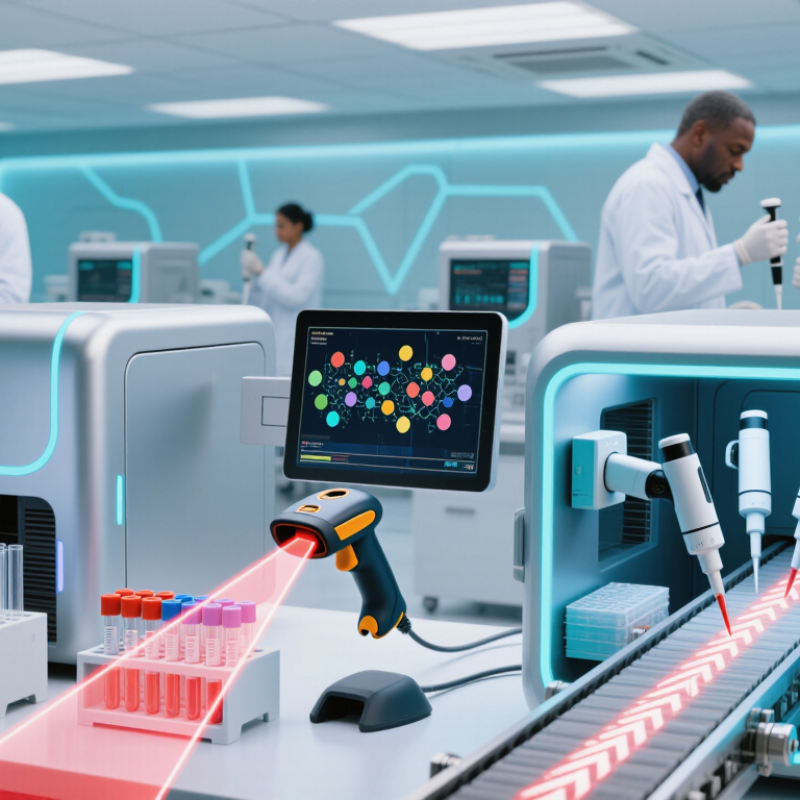
Molecular diagnostic systems examine genetic material in a patient sample to identify a pathogen or a specific genetic change. Unlike tests that depend on visible growth, many can detect small amounts of DNA or RNA directly. The sample may be a swab, blood, or sputum. Tiny details matter.
A typical workflow begins with sample preparation. The system breaks open cells or viral particles and extracts nucleic acids. It then uses targeted chemistry, often polymerase chain reaction, to copy selected genetic sequences. Fluorescent signals can show whether the target is present as the reaction runs. Some platforms combine extraction, amplification, and detection in one instrument; others require separate steps. Internal controls help reveal failed extraction or inhibition, but they cannot prevent every handling error.
The WHO Global Tuberculosis Report 2024 recorded 8.2 million people newly diagnosed with tuberculosis in 2023, the highest number reported by WHO. That scale helps explain the need for timely, dependable testing. Molecular systems can return results faster than culture for many targets, though speed depends on the assay and workflow. A positive signal still needs clinical context. Contamination, poor specimens, and changing pathogen sequences can complicate interpretation. The technology is powerful, not infallible.
| Workflow Stage | What the System Does | How It Can Improve Lab Efficiency | Useful Performance Measures | Important Consideration |
|---|---|---|---|---|
| Sample preparation | Processes a specimen to release nucleic acids and, when needed, remove substances that may interfere with testing. | Automated extraction can reduce repetitive manual pipetting and help standardize preparation across samples. | Hands-on time; extraction completion time; invalid or failed extraction rate. | Specimen type and collection quality affect preparation requirements and results. |
| Target amplification | Uses methods such as polymerase chain reaction (PCR) to make selected DNA or RNA targets easier to detect. RNA targets generally require a reverse-transcription step. | Automated reagent handling and thermal cycling can reduce manual transfers and support consistent processing. | Time to result; batch size; amplification failure rate. | Amplification detects selected targets; assay design and controls are essential for reliable interpretation. |
| Signal detection | Measures signals produced during or after amplification, commonly using fluorescent probes or other assay-specific detection methods. | Automated signal reading and analysis can reduce manual result reading and transcription. | Result reporting time; repeat-test rate; control acceptance rate. | Results must be interpreted using the assay’s validated thresholds and control criteria. |
| Integrated workflow | Some systems combine sample preparation, amplification, and detection within one instrument or a connected workflow. | Fewer manual handoffs can simplify operation, reduce handling steps, and support more predictable turnaround times. | Hands-on time per run; end-to-end turnaround time; samples processed per shift. | Throughput and turnaround time depend on instrument capacity, assay protocol, staffing, and specimen volume. |
| Controls and quality checks | Uses assay controls to help identify problems such as failed amplification, inhibition, or contamination. | Automated control checks and alerts can make exceptions easier to identify before results are released. | Invalid-result rate; control failure rate; repeat testing due to quality issues. | Controls support quality assurance but do not replace proper validation, maintenance, or laboratory procedures. |
| Data handling and reporting | Records instrument results and, where configured, transfers data to laboratory information systems. | Electronic result transfer can reduce manual entry and help maintain traceability. | Manual transcription steps; reporting time; data-transfer error rate. | Connectivity, access controls, and verification procedures must be maintained. |
Summary: Molecular diagnostic systems can improve efficiency by automating and coordinating steps in nucleic-acid testing. Actual performance varies by assay, specimen, workflow, staffing, and laboratory configuration.
It can scan barcodes, guide sample transfer, and coordinate extraction and amplification. It also records key steps electronically.
No. Staff still need training, maintenance routines, and quality checks. A barcode error can still pass through unnoticed.
Instruments can process batches with consistent timing. Software may flag missing samples or control failures before results are released.
They define volumes, timing, and handling steps. This helps reduce avoidable differences between operators and shifts.
No. Specimen quality, interruptions, and unusual findings can still affect a workflow. Judgment matters.
They show whether a run appears to be performing as expected. Recorded deviations give supervisors useful context.
Teams can examine handoffs, exception logs, error records, turnaround times, and staff feedback. Small details matter.
Evidence may show that a procedure needs changing. Updates can be postponed, though, leaving instructions neat on paper but less useful at the bench.
Molecular diagnostic systems analyze biological samples to detect genetic material associated with infections and other conditions. By combining sample preparation, amplification, detection, and result interpretation, these systems help laboratories move samples through testing in a structured and efficient way. Understanding how do molecular diagnostic systems improve laboratory efficiency begins with their use of automation: routine steps can be completed with less repetitive hands-on work, allowing staff to focus on oversight, quality checks, and more complex tasks.
Integrated workflows connect stages of testing and reduce transfers, manual handling, and avoidable delays. Standardized procedures also help produce consistent results across samples and testing runs, supporting dependable laboratory operations. With fewer bottlenecks and faster turnaround times, laboratories can process more tests using available staff, instruments, and space more effectively. Overall, automation, integration, and standardization help make diagnostic testing more predictable, timely, and manageable.

 BioX Medical