In recent years, molecular diagnostics has emerged as a cornerstone of precision medicine. The ability to analyze genetic information allows for tailored treatments based on individual patient profiles. According to a 2022 report from the National Institutes of Health, 70% of diseases can be more accurately diagnosed with molecular testing. This transformation is critical, especially for conditions like cancer, where specific mutations guide therapy choices.
How does molecular diagnostics support precision medicine? By identifying genetic markers, physicians can predict disease risks and treatment responses. For instance, targeted therapies for breast cancer patients have improved survival rates by over 30%, according to the American Society of Clinical Oncology. However, challenges remain. Accessibility and cost continue to hinder widespread adoption, raising questions about equity in healthcare.
As we advance, understanding the limitations and ethical implications of molecular diagnostics is essential. The emergence of new technologies offers hope, yet balancing innovation and accessibility will be key. The journey to fully realize how molecular diagnostics supports precision medicine is ongoing.
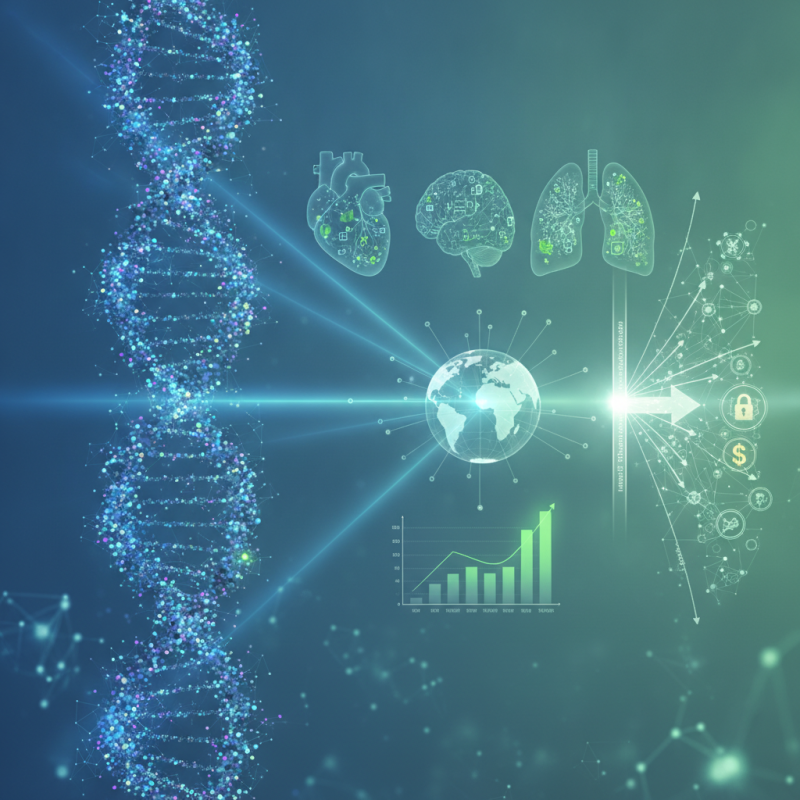
Molecular diagnostics plays a crucial role in modern medicine. It involves analyzing biological markers in the genome. These markers can predict disease risk and guide treatment. By understanding an individual’s genetic makeup, healthcare providers can tailor therapies to enhance effectiveness.
For example, patients with specific genetic mutations may respond better to certain drugs. Molecular diagnostics enables the identification of these mutations. This personalized approach minimizes trial and error, saving both time and healthcare costs. Many clinicians have adopted these methods to improve patient outcomes.
Tip: Regular consultations with healthcare providers can help integrate molecular diagnostics into your care plan. Ask about genetic testing options.
However, not all tests are perfect. Some may yield inconclusive results, which can cause anxiety. Patients should discuss potential limitations with their physicians. Engaging in this dialogue empowers patients and enhances their understanding.
Tip: Stay informed about the latest advancements in molecular diagnostics to make better health decisions. Knowledge is key.
Precision medicine aims to tailor healthcare to individual characteristics. This approach relies on detailed insights into a person’s genetic makeup. It contrasts with traditional medicine, which often uses a one-size-fits-all method. In precision medicine, treatments and prevention strategies can be customized, enhancing their effectiveness.
Molecular diagnostics play a critical role in this field. They analyze biological samples to identify changes at the molecular level. This can lead to targeted therapies that are more effective and less toxic. For instance, a patient with a specific genetic mutation might respond better to a targeted drug. However, the interpretation of molecular data can be complex and sometimes contentious. Not all patients fit neatly into predictive categories, leading to challenges in treatment plans.
The integration of molecular diagnostics into precision medicine opens new possibilities while prompting reflection on its limitations. Ethical considerations arise when interpreting genetic data. Misinterpretations may occur, leading to inappropriate treatment options. Ongoing research will address these issues, aiming for improved accuracy in diagnostics and better patient outcomes. Precision medicine is evolving, but it must approach complexity with care.
Molecular diagnostics plays a crucial role in patient stratification, which is essential for precision medicine. These diagnostics analyze genetic, genomic, and molecular information from patients. They help identify individuals who may benefit from specific therapies.
By understanding a patient’s unique biomarker profile, healthcare providers can tailor treatments more effectively.
For instance, certain cancers have distinct genetic alterations. Identifying these variations enables oncologists to choose targeted therapies. However, not every molecular test is perfect. False positives or negatives can occur, leading to potential treatment misdirection. This highlights the need for continuous improvement and validation in molecular technologies.
Moreover, the availability of data can sometimes overwhelm health professionals. They must balance multiple diagnostic results against clinical evidence. Ensuring that molecular diagnostics are integrated into standard practice requires careful planning. As the field grows, ongoing education is vital for practitioners. This fosters a deeper understanding of the role molecular diagnostics play in enhancing patient outcomes.
Molecular diagnostics play a crucial role in enhancing precision medicine, particularly in cancer treatment. These advanced techniques analyze genetic, biomarker, and molecular profiles to tailor therapy to individual patients. By understanding a tumor's unique characteristics, doctors can select treatments that are more likely to be effective. For instance, identifying mutations in cancer cells can guide the choice of targeted therapies, improving outcomes.
In addition to personalized treatment plans, molecular diagnostics help in monitoring disease progression. Regular testing can indicate how well a particular therapy is working. This allows for timely adjustments, ensuring patients receive the most effective care. Sometimes, the results may not be what patients hope for, leading to difficult conversations. It emphasizes the importance of using these technologies responsibly.
Tips: Consider seeking second opinions on test results. Discussing findings with specialists can provide clarity. Ensure that you have a comprehensive understanding of your options. Ask your healthcare team about the accuracy and limitations of specific tests. Be prepared for outcomes that may require reassessment of your treatment strategy. Engaging actively in your health journey is vital for achieving the best possible results.
Molecular diagnostics is evolving. This field is pivotal for the future of precision medicine. Innovations in genetic testing can provide tailored treatment options. Technologies like next-generation sequencing (NGS) enable oncologists to understand tumor profiles in detail. With this knowledge, therapies can be aligned to individuals, enhancing therapeutic outcomes.
However, challenges remain. Access to advanced testing can be uneven. Not every patient has equal opportunity for the latest diagnostic tools. There is also a need for clinician education regarding new technologies. Providers must understand how to interpret complex genetic data. This knowledge gap can slow the integration of molecular diagnostics into routine practice.
Furthermore, the rapid pace of change can create uncertainty. Keeping up with new research findings is essential. Ensuring that data is reliable and valid poses a challenge. Ethical considerations should be prioritized as well. As we advance, attention must be given to balancing innovation with accessibility.
: It analyzes biological markers in the genome to predict disease risk and guide treatment.
It tailors therapies based on genetic makeup, improving treatment effectiveness and minimizing trial and error.
No, some tests may yield inconclusive results, which can lead to patient anxiety.
Discussing potential test limitations empowers patients and enhances their understanding of their health.
It helps oncologists understand tumor profiles in detail for better-aligned therapies.
Yes, access to testing can be uneven, and not every patient has equal opportunities.
Providers need to understand how to interpret complex genetic data for effective integration.
Knowledge about advancements in molecular diagnostics helps patients make better health decisions.
Balancing innovation with accessibility is crucial as the field evolves.
It can create uncertainty and challenges in ensuring reliable and valid data.
Molecular diagnostics plays a crucial role in enhancing precision medicine by providing detailed insights into the genetic and molecular underpinnings of diseases. By analyzing biomarkers, molecular diagnostics supports precision medicine by enabling patient stratification, ensuring that individuals receive tailored therapies based on their specific health profiles. This approach not only improves treatment efficacy but also minimizes adverse effects, making it a fundamental aspect of modern healthcare.
In cancer treatment, molecular diagnostics assists in identifying the best treatment options by revealing mutations and other genetic alterations that influence tumor behavior. As the field advances, future directions in molecular diagnostics are anticipated to further refine precision medicine, potentially leading to more personalized and effective therapeutic strategies. Ultimately, understanding how molecular diagnostics support precision medicine will continue to shape the future of medical practice, providing a pathway toward more individualized patient care.

BioX Medical