Molecular diagnostics are revolutionizing the detection of infectious diseases. This technology enables rapid and accurate identification of pathogens. Clinicians can now diagnose infections in hours, changing patient outcomes dramatically.
How is molecular diagnostics used in infectious disease detection? The process involves analyzing genetic material from pathogens. Techniques like PCR (polymerase chain reaction) amplify DNA, making it easier to find. Traditional methods, such as blood cultures, can take days. In contrast, molecular tests can detect viruses and bacteria quickly and effectively.
Despite these advancements, challenges remain. False positives can occur, leading to unnecessary treatments. Access to these technologies is also limited in some regions. Continuous improvement and validation are necessary to overcome these barriers. The future of infectious disease management is bright, but vigilant reflection on the process is crucial.
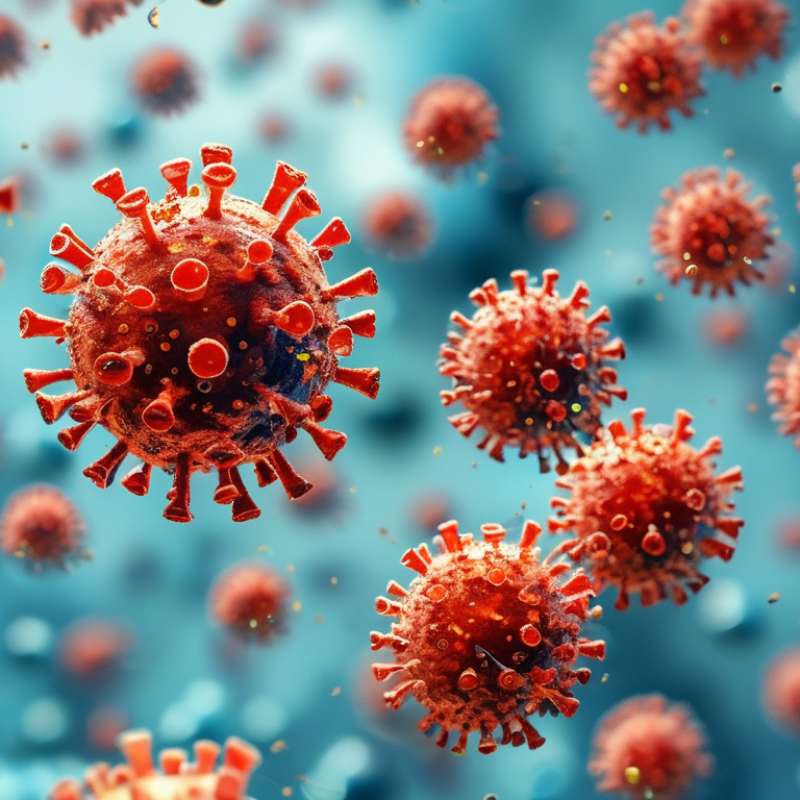
Molecular diagnostics are reshaping how we detect infectious diseases. This technology allows for faster and more accurate identification of pathogens. Traditional methods often take days to yield results. In contrast, molecular diagnostics can provide findings within hours. This speed can be crucial in treating patients promptly.
These tests work by analyzing genetic material from microorganisms. They can detect specific DNA or RNA sequences associated with infections. This precision leads to targeted therapies, minimizing unnecessary treatments. However, while the technology is impressive, it isn’t infallible. False positives and false negatives can occur, leading to misdiagnoses. Constant refinement and validation are essential.
**Tip:** Ensure your healthcare provider is well-versed in the latest molecular diagnostics. They can help navigate the complexities involved.
Adopting molecular diagnostics can be life-changing for many patients. It enhances our understanding of complex infections. However, accessibility can be a problem. Not all healthcare facilities have the necessary technology or expertise. Addressing these gaps is critical for wider acceptance.
**Tip:** Stay informed about advancements in this field. This knowledge empowers patients to engage in discussions with their healthcare professionals.
Molecular diagnostics is revolutionizing how we detect infectious diseases. This field relies on various techniques and technologies that transform patient care. Key methods include polymerase chain reaction (PCR) and next-generation sequencing (NGS). These tools allow for rapid and precise detection of pathogens.
PCR amplifies specific DNA sequences, making it easier to identify infections. This method is sensitive and can detect low levels of pathogens in the sample. However, it requires strict laboratory protocols to avoid contamination. In contrast, NGS offers broader insights by sequencing entire genomes. This approach helps in tracking outbreaks but can be complex to analyze.
While these technologies advance diagnostics, challenges remain. Tests must be validated across diverse populations. The cost of advanced tools may limit access in some regions. Moreover, false-positive results can lead to unnecessary anxiety for patients. These imperfect outcomes remind us that the field is still developing. Continued research and training are essential for effective application.
Molecular diagnostics have revolutionized the identification of pathogens, significantly enhancing the speed and accuracy of infectious disease detection. Advanced techniques, such as polymerase chain reaction (PCR) and next-generation sequencing (NGS), enable precise identification of microbial DNA. A notable report by the World Health Organization indicates that early detection through molecular diagnostics can reduce morbidity and mortality rates by up to 50% in certain infectious diseases.
Applications extend beyond traditional laboratory settings. Rapid molecular tests are now being used in point-of-care environments. This facilitates immediate diagnosis in clinics and emergency rooms, streamlining patient management. According to a recent study published in the Journal of Clinical Microbiology, molecular assays can deliver results in under two hours, a marked improvement over standard cultures which often take days.
Consider these tips when using molecular diagnostics: Ensure proper sample collection to enhance test reliability. Stay updated on emerging pathogens and their resistance patterns, as this knowledge can directly impact treatment decisions. Reflect on the limitations of molecular tests. False positives and negatives are still a concern. Continuous training for healthcare providers is vital to interpret results accurately and make informed decisions.
| Application | Technology Used | Pathogen Detected | Turnaround Time | Sensitivity (%) | Specificity (%) |
|---|---|---|---|---|---|
| Real-Time PCR | Polymerase Chain Reaction | SARS-CoV-2 | 1-2 hours | 95 | 99 |
| NGS | Next-Generation Sequencing | Mycobacterium tuberculosis | 1-3 days | 97 | 98 |
| LAMP | Loop-Mediated Isothermal Amplification | Zika Virus | 30-60 minutes | 90 | 95 |
| Microarray | Microarray Hybridization | Respiratory Viruses | 1 day | 85 | 94 |
Molecular diagnostics is revolutionizing the detection of infectious diseases. These advanced techniques outperform traditional methods in several key ways. They provide faster results, often within hours rather than days. This rapid turnaround can lead to timely treatment and improved patient outcomes. Molecular diagnostics are also highly specific and sensitive, reducing the chances of false negatives or false positives.
Another significant benefit is the ability to detect a wide range of pathogens. Traditional methods often require specific cultures or tests for each type of infection. In contrast, molecular diagnostics can identify multiple pathogens in one test. This multiplexing capability is invaluable in cases where patients present with nonspecific symptoms.
Tips: When considering diagnostics, always consult professionals. Choose labs with robust quality control measures. Advancements in molecular science improve reliability, but not all tests are equally accurate. Be aware of how the technique can influence your health decisions. Understanding the limitations is as critical as knowing the benefits.
Molecular diagnostics are revolutionizing infectious disease detection. However, challenges remain in this rapidly evolving field. The adoption of these technologies is accelerating due to their speed and accuracy. Yet, integration into existing healthcare frameworks could be smoother.
One major trend is the push for point-of-care testing. These tests provide results within minutes. This allows for immediate clinical decisions. But access to these technologies is uneven across regions. Not every healthcare facility can afford the latest tools. This discrepancy raises questions about equality in healthcare.
Additionally, data management is becoming crucial. Molecular tests generate vast amounts of data. Properly analyzing this data is essential for improving disease tracking. However, not all laboratories are equipped to handle such volumes. This might lead to delays or errors in treatment. It’s a reminder that technology alone cannot solve every problem in healthcare. More attention is needed on training and resources to fully harness the power of molecular diagnostics.
: Molecular diagnostics are technologies that help detect infectious diseases by analyzing genetic material.
These tests can deliver results within hours, unlike traditional methods that may take days.
Key techniques include polymerase chain reaction (PCR) and next-generation sequencing (NGS).
PCR amplifies DNA sequences, allowing for sensitive detection of low levels of pathogens.
Challenges include false results, high costs, and the need for validation in diverse populations.
Early detection through these methods can lower morbidity and mortality rates by up to 50%.
Proper sample collection is crucial for enhancing the reliability of molecular tests.
They allow for rapid diagnosis in clinics and emergency rooms, improving patient care efficiency.
False positives and negatives can arise, leading to potential misdiagnoses and patient anxiety.
Ongoing training helps ensure accurate interpretation of results and informed patient care decisions.
Molecular diagnostics is revolutionizing the detection of infectious diseases through advanced techniques that provide rapid and precise identification of pathogens. By leveraging principles such as polymerase chain reaction (PCR) and next-generation sequencing, these methods enable healthcare providers to diagnose infections much faster than traditional approaches. How is molecular diagnostics used in infectious disease detection? It allows for the direct analysis of genetic material from microorganisms, facilitating the detection of diseases at their earliest stages, even before symptoms appear.
The applications of molecular diagnostics extend beyond mere identification; they also play a crucial role in guiding treatment decisions and monitoring disease outbreaks. The advantages over conventional methods include higher sensitivity and specificity, reduced turnaround times, and the ability to detect multiple pathogens simultaneously. However, despite the promising future trends in molecular diagnostics, challenges such as cost, access to technology, and the need for continuous innovation remain. Overall, the integration of molecular diagnostics into clinical practice marks a significant advancement in managing infectious diseases effectively.

BioX Medical