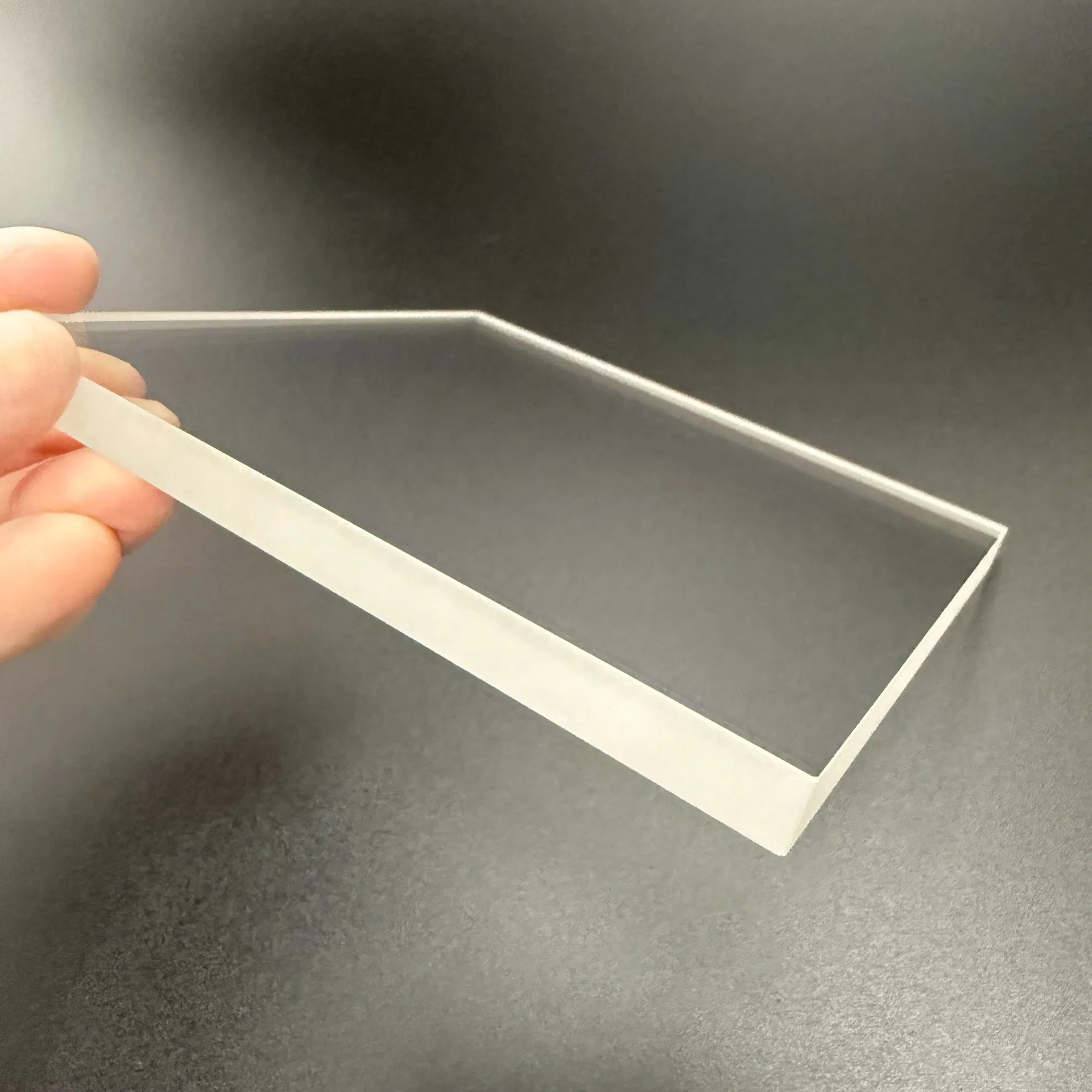
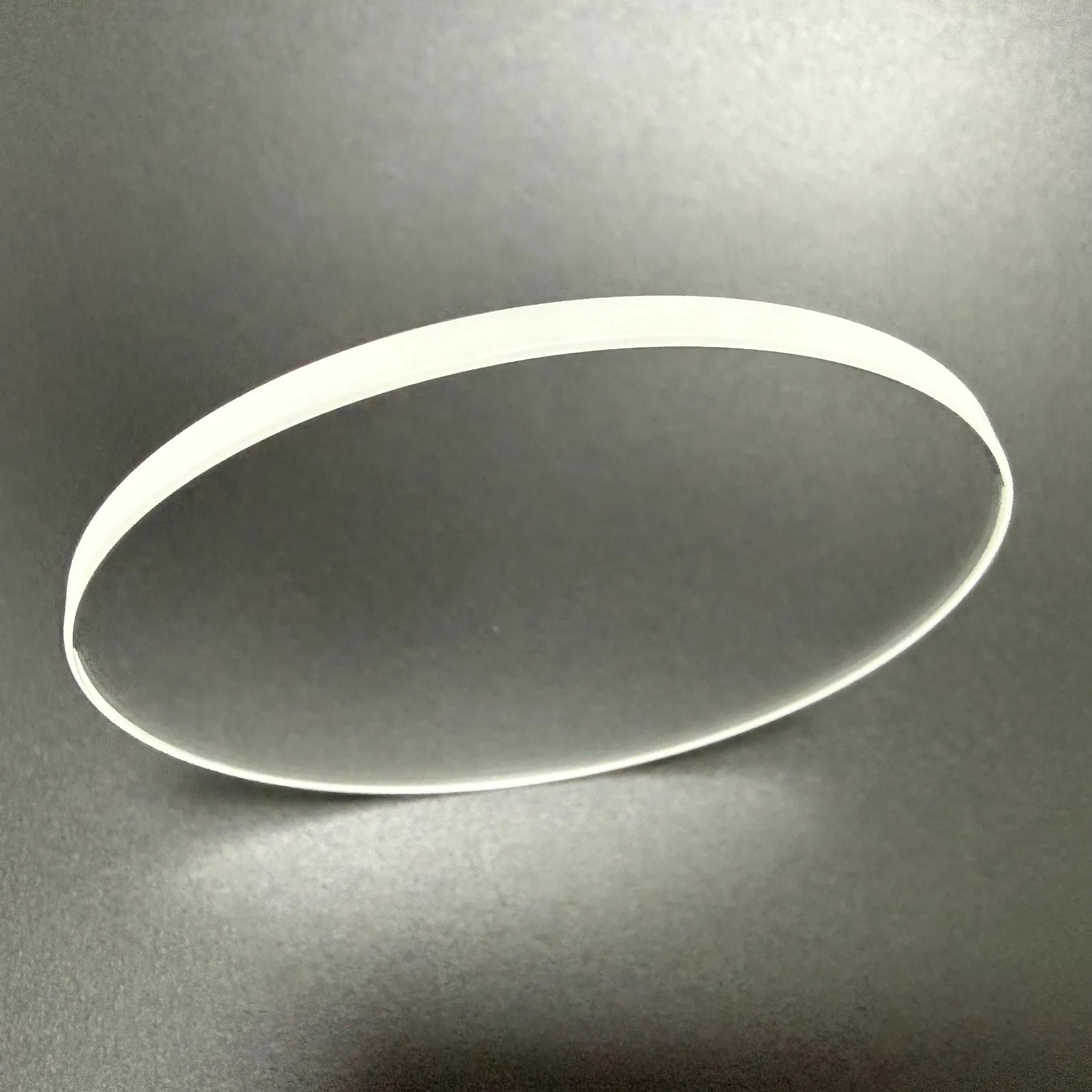
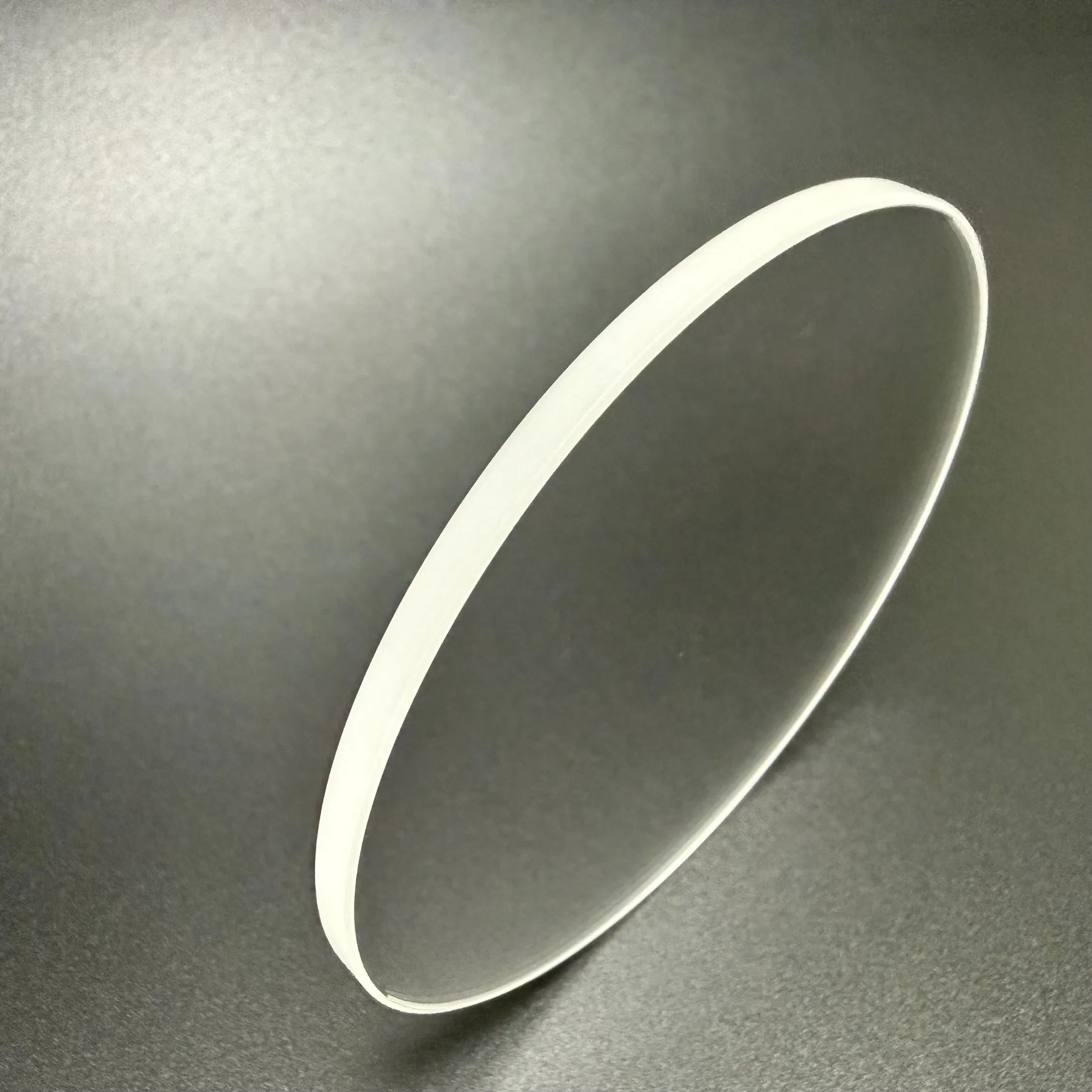
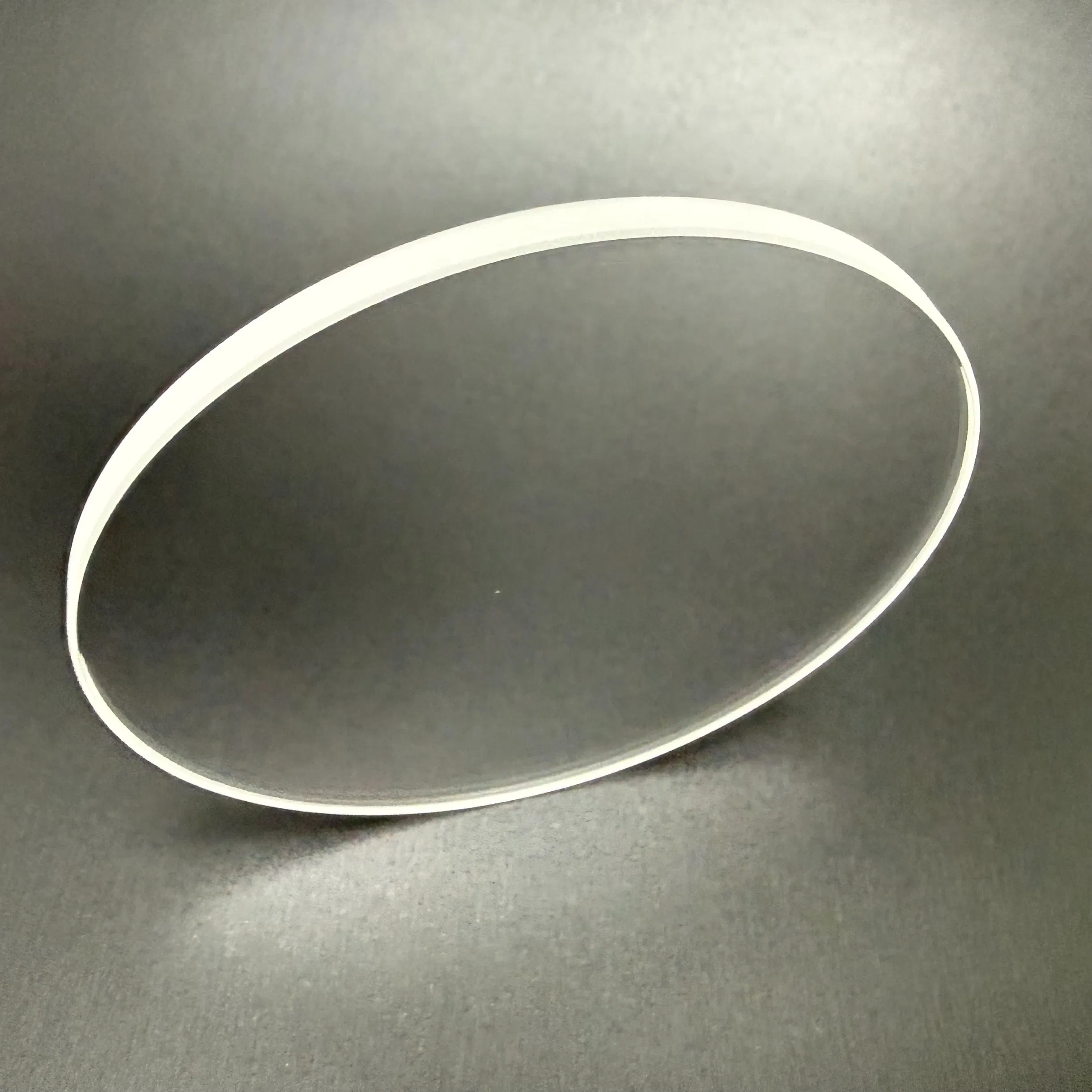
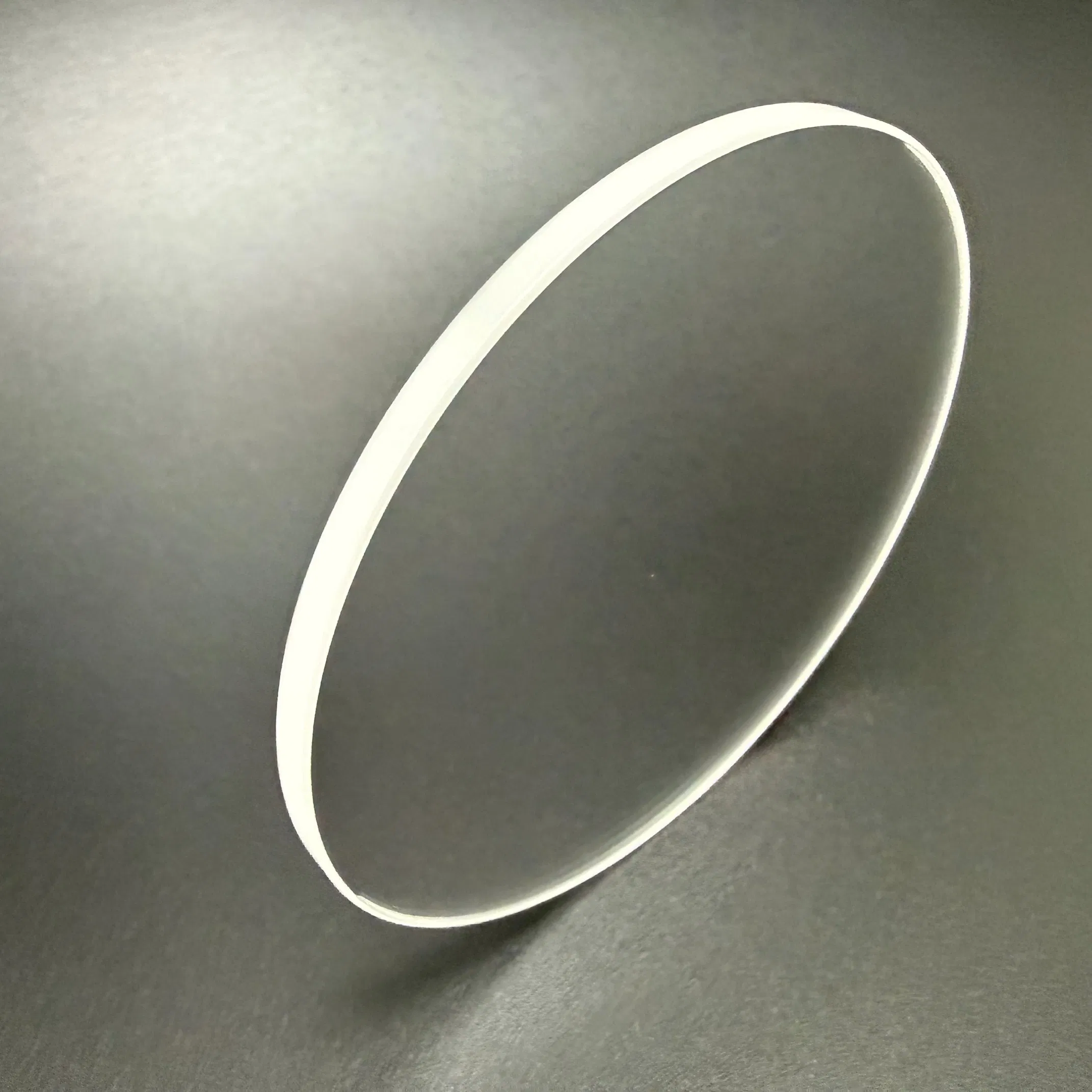
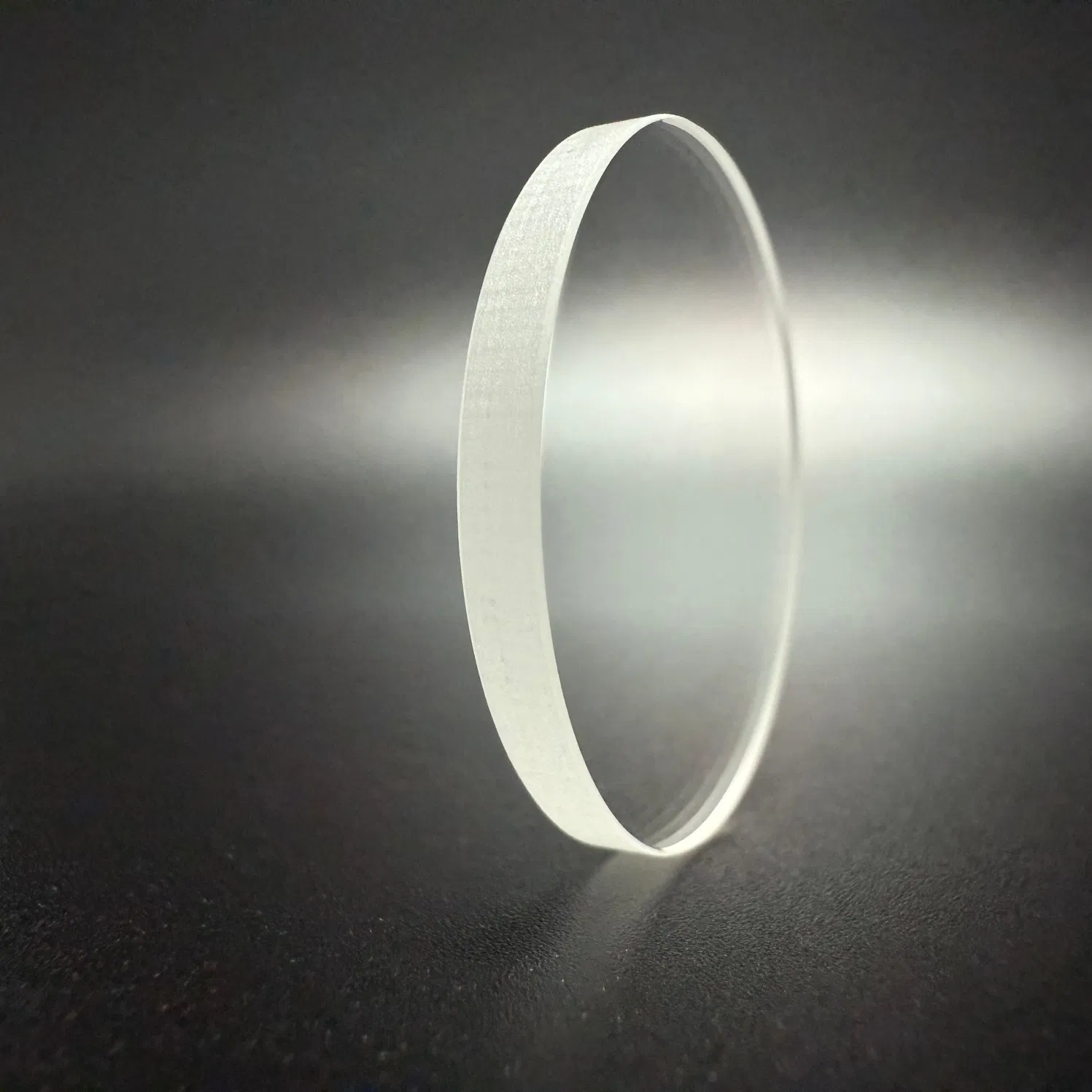
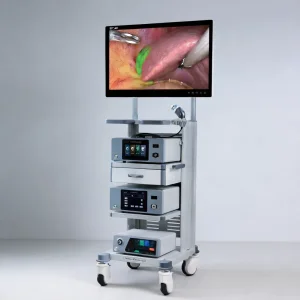
in-Vitro Diagnostic Equipment Sapphire Glass Window Lens Platform

Still deciding? Get samples of $ !
Order Sample

Product Description

📘 Basic Information
Model NO.
1-1000mm
Usage
Lighting, Optical, Photography
Thickness Range
5mm-10mm
Color
Transparent
Type
Color Filter
Principle
Selective Absorption Filter
Material
Glass
Certification
RoHS, ISO, ISO9001
Transmittance
>95%
Hardness
Mohs Hardness of 9
Material Type
Synthetic Sapphire Glass
Melting Point
2040 °C
Transmission Range
0.15 μm - 5.5 μm
Package Size
20.00cm * 20.00cm * 20.00cm
🔍 Product Description
Sapphire Glass Window Lens
Sapphire Glass Detail
Category Parameter Name Value / Description Notes
BasicProduct NameSapphire Glass Optical Window-
MaterialCompositionSingle Crystal α-Aluminium Oxide-
PhysicalMohs Hardness9Second only to diamond
PhysicalDensity3.97 - 3.99 g/cm³-
ThermalMelting Point2040 °C-
OpticalTransmission Range0.15 μm - 5.5 μmDeep UV to Mid-IR
OpticalRefractive Indexno = 1.768 / ne = 1.760@587.6 nm
SurfaceFlatnessλ/10 @ 632.8nm / λ/4MIL-O-13830
CoatingOptionsAR, HR, Oleophobic, Conductive (ITO)Customizable
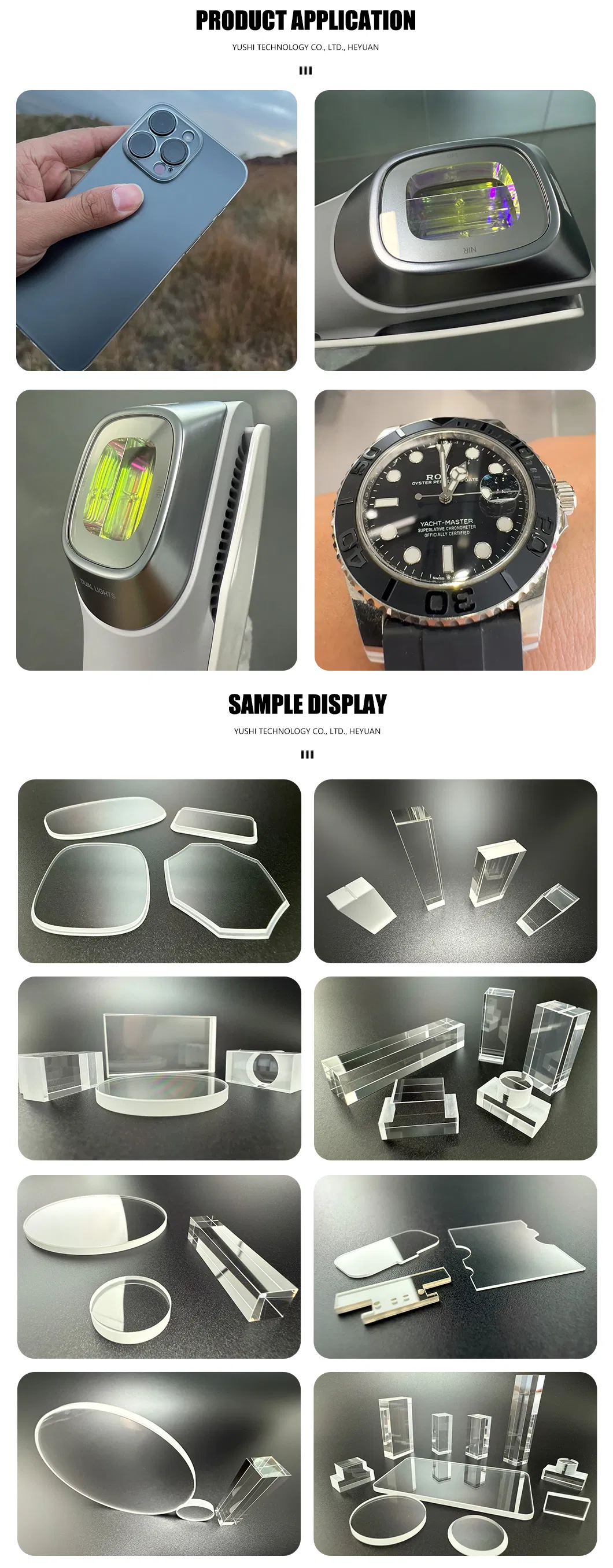
Application Fields
Technical Specifications
Certifications
Certifications
Frequently Asked Questions
Is sapphire glass made from natural gemstones?
No, it is synthetic sapphire crystal created by crystallizing aluminum oxide at high temperatures. It has identical physical properties to natural sapphire but is manmade for industrial and optical use.
What is the primary advantage of using sapphire glass?
The core advantage is its extreme hardness (9 on the Mohs scale), which provides unparalleled scratch resistance against everyday materials like keys, sand, or blades.
Is sapphire glass shatterproof?
High hardness does not mean high impact resistance. Sapphire is more brittle than mineral glass. While it prevents scratches perfectly, severe impacts can cause it to crack or shatter.
What are the typical transmission ranges?
Sapphire glass offers a very broad transmission range from 0.15 μm to 5.5 μm, covering Deep UV, Visible, and Mid-Infrared spectrums.
Can sapphire glass withstand high temperatures?
Yes, it has a very high melting point of 2040 °C and can operate at temperatures up to 1000°C in air or up to 1900°C in vacuum/inert gas environments.
Are custom sizes and coatings available?
Yes, we provide customizable shapes (flat, spherical, aspheric) and various coating options including Anti-Reflection (AR), High Reflection (HR), and conductive ITO coatings.

Related Products