BioX Medical
1 / 5
| Type | Rigid chain lifting platform | Hydraulic lifting platform | Scissor lift platform |
|---|---|---|---|
| Carrying capacity | High (up to 50 tons) | Medium to high (<20 tons) | Medium (<5 tons) |
| Accuracy | Very high (±0.1mm) | Medium (±1-2mm) | Low (mechanical dependent) |
| Maintenance | Low (no hydraulic system) | High (regular oil changes) | Medium (joint lubrication) |
| Space Occupancy | Small (vertically compact) | Larger (needs cylinder space) | Large (occupies large area) |
| Environmental | Excellent (no oil stain) | Poor (Oil Leakage Risk) | Good |
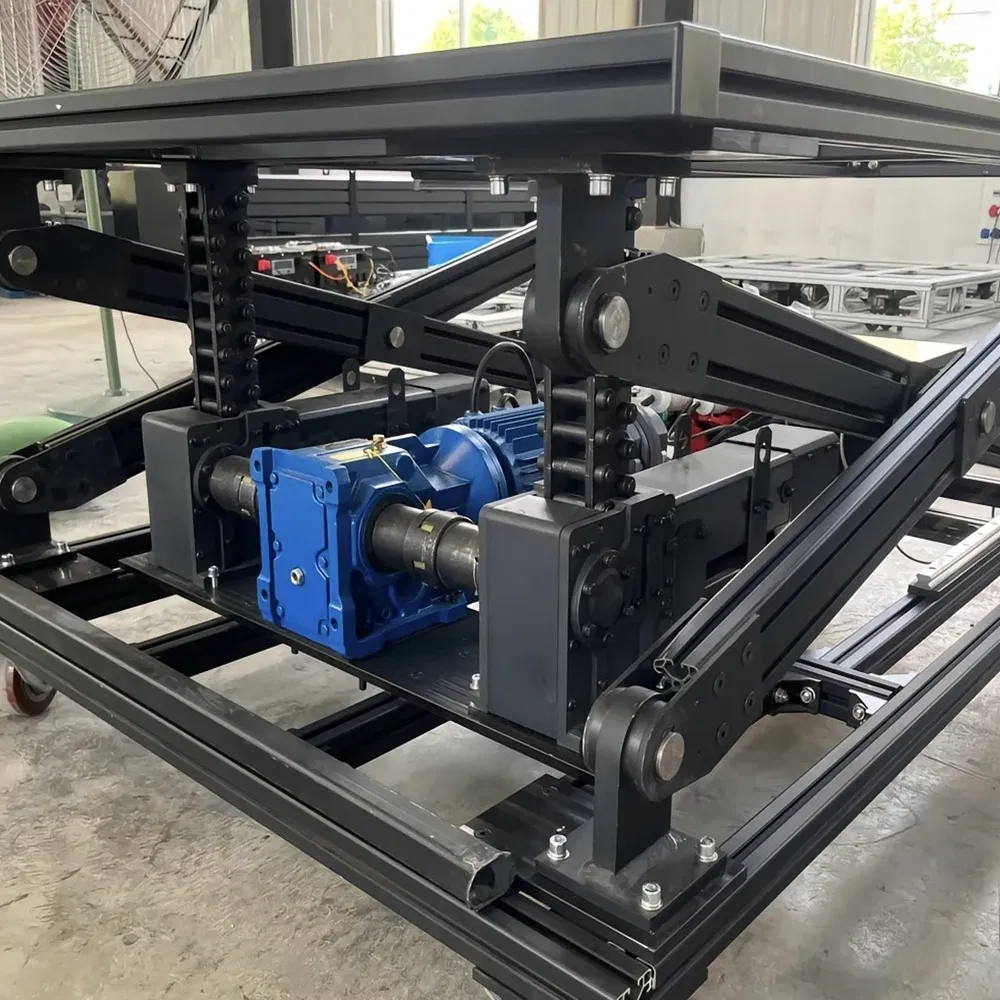
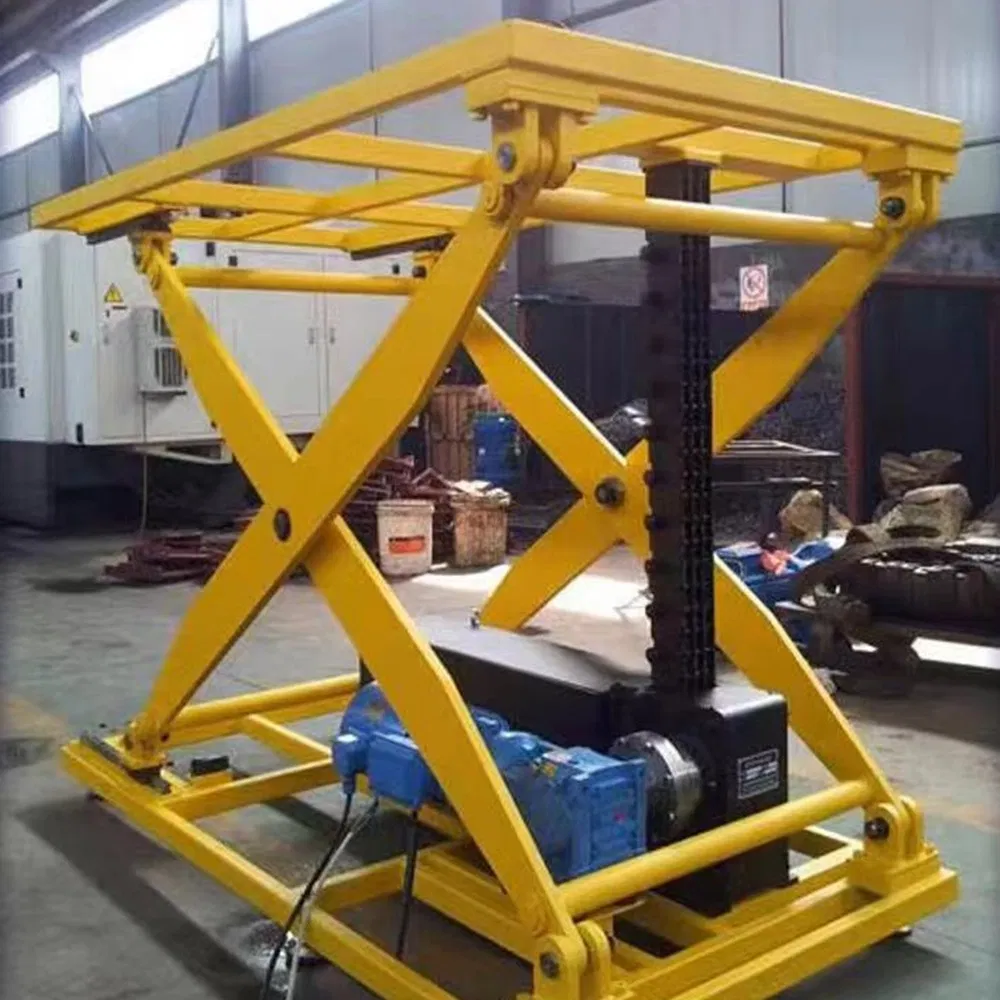
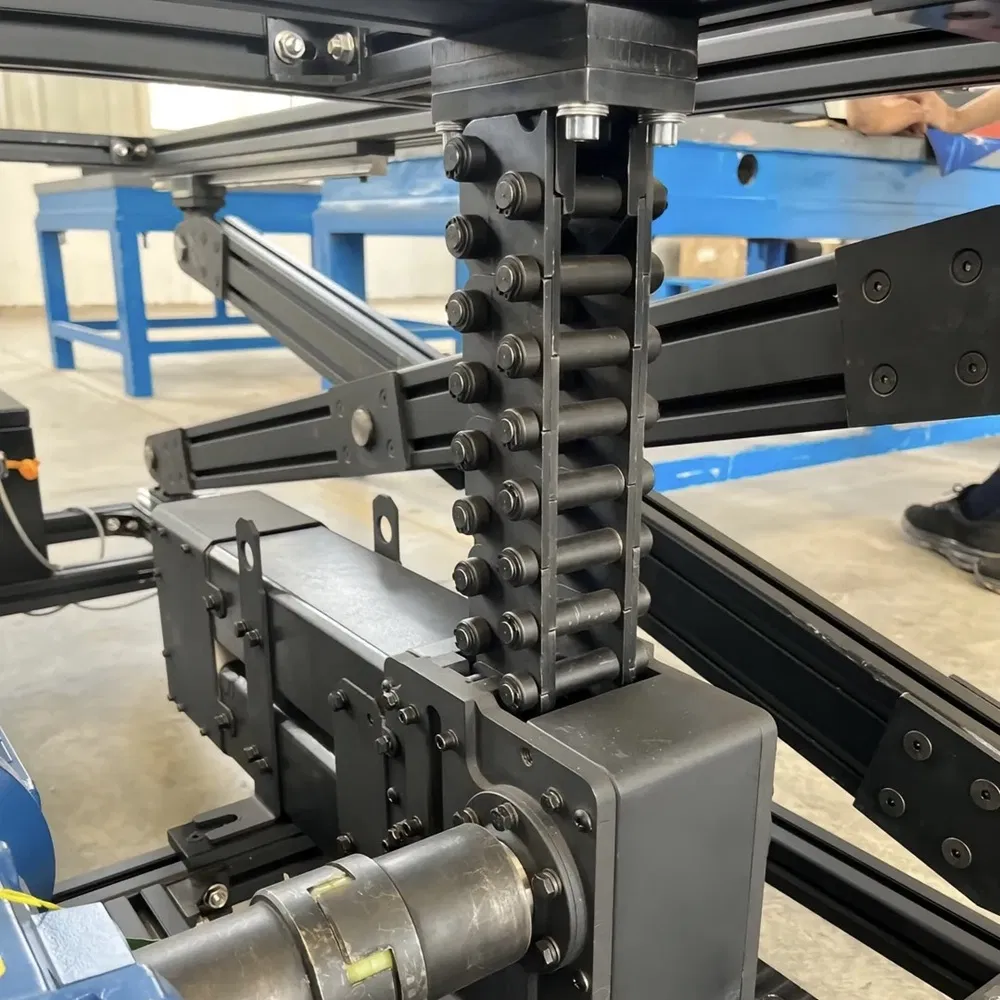
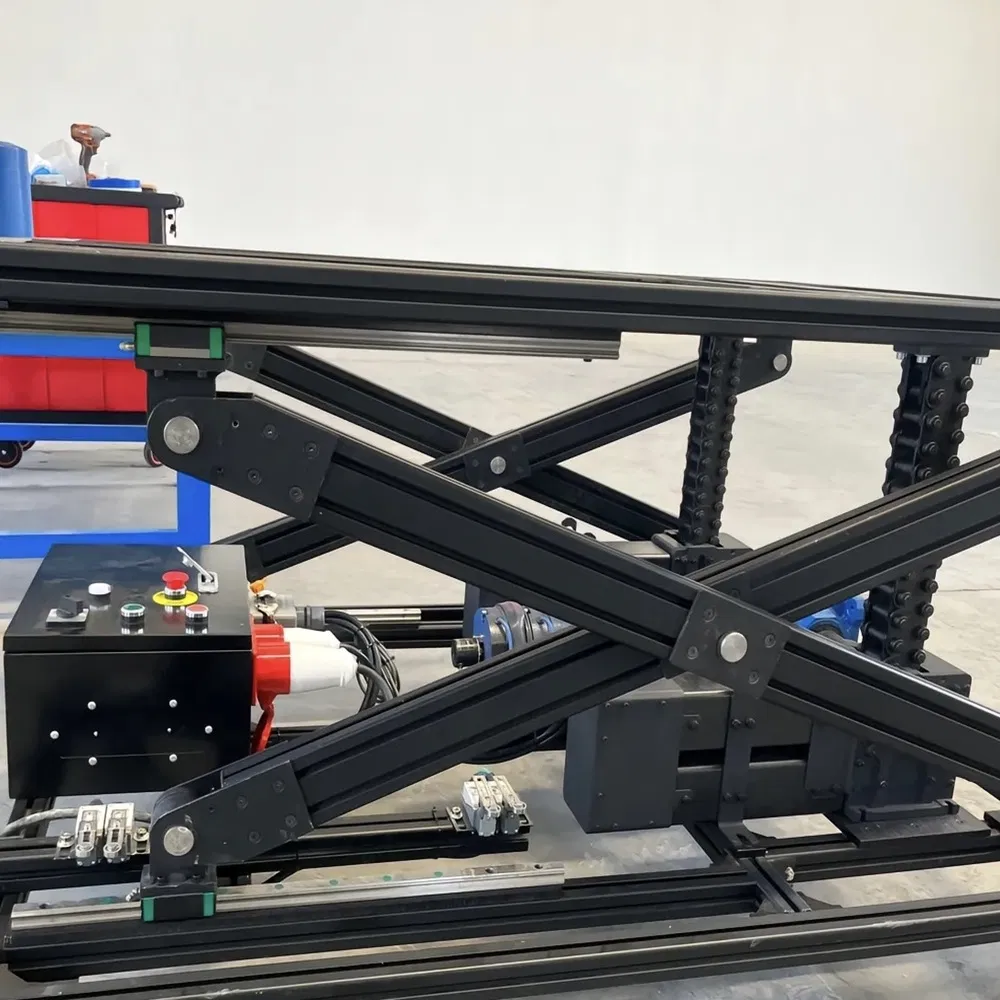
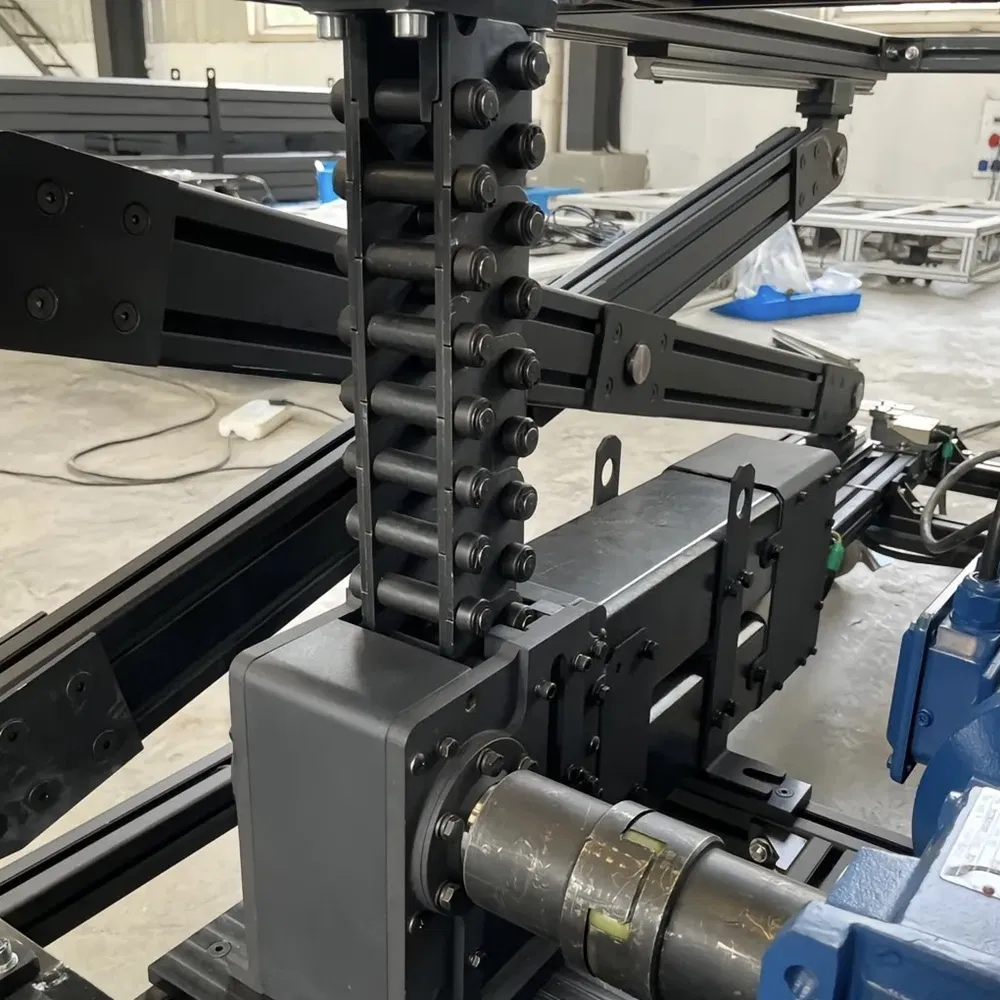
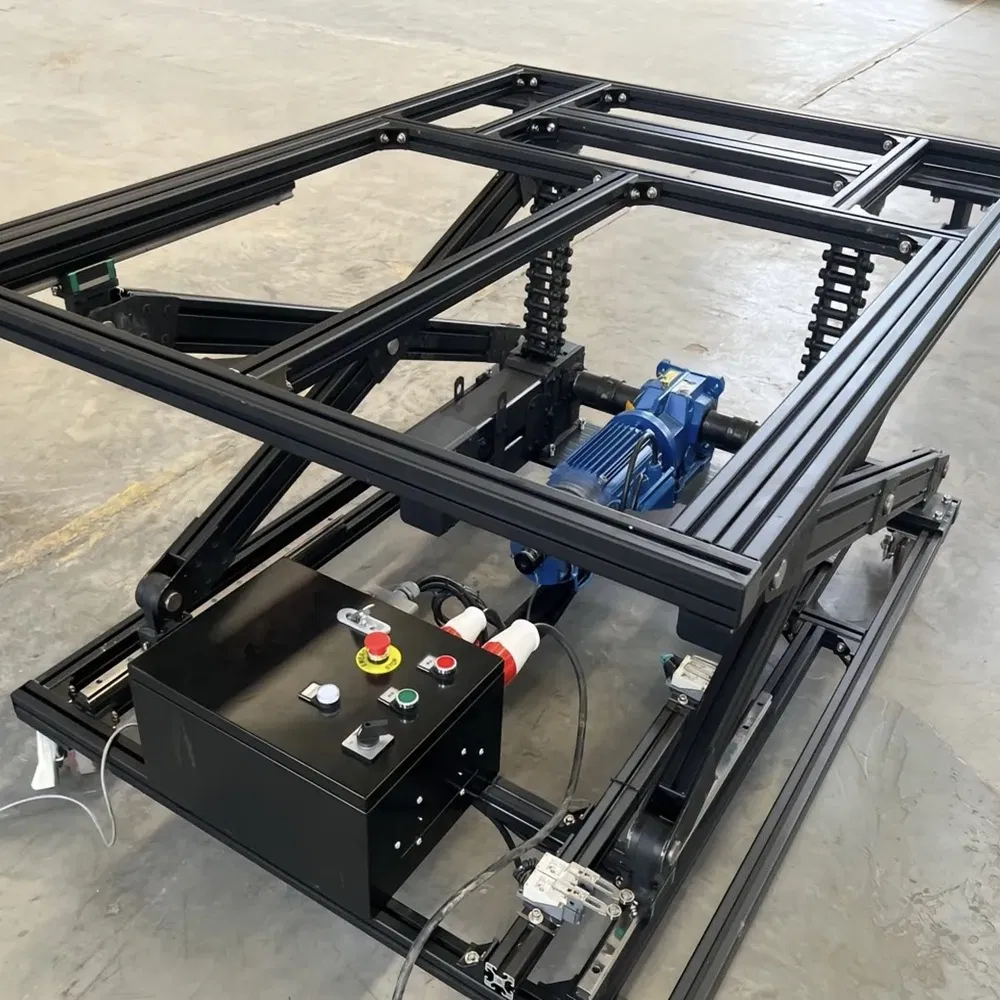
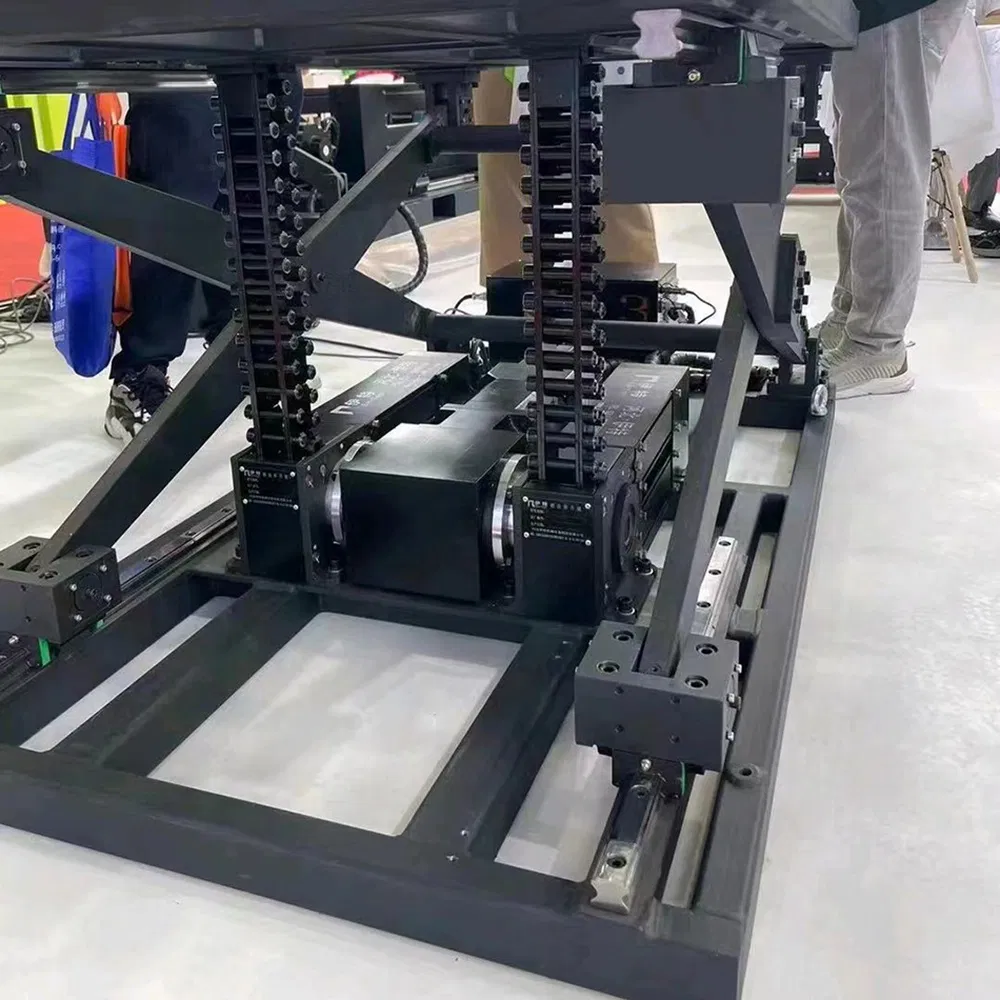
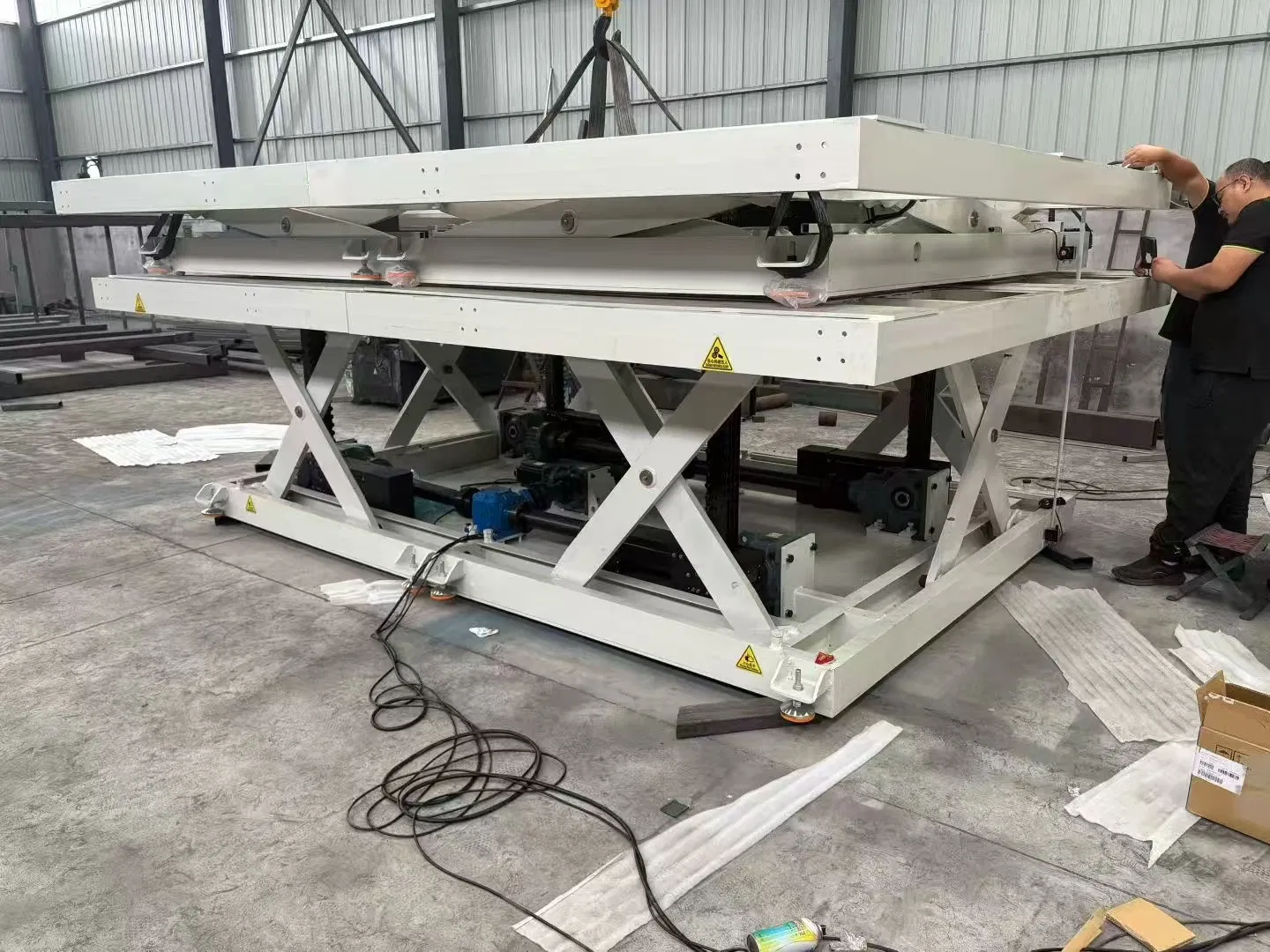
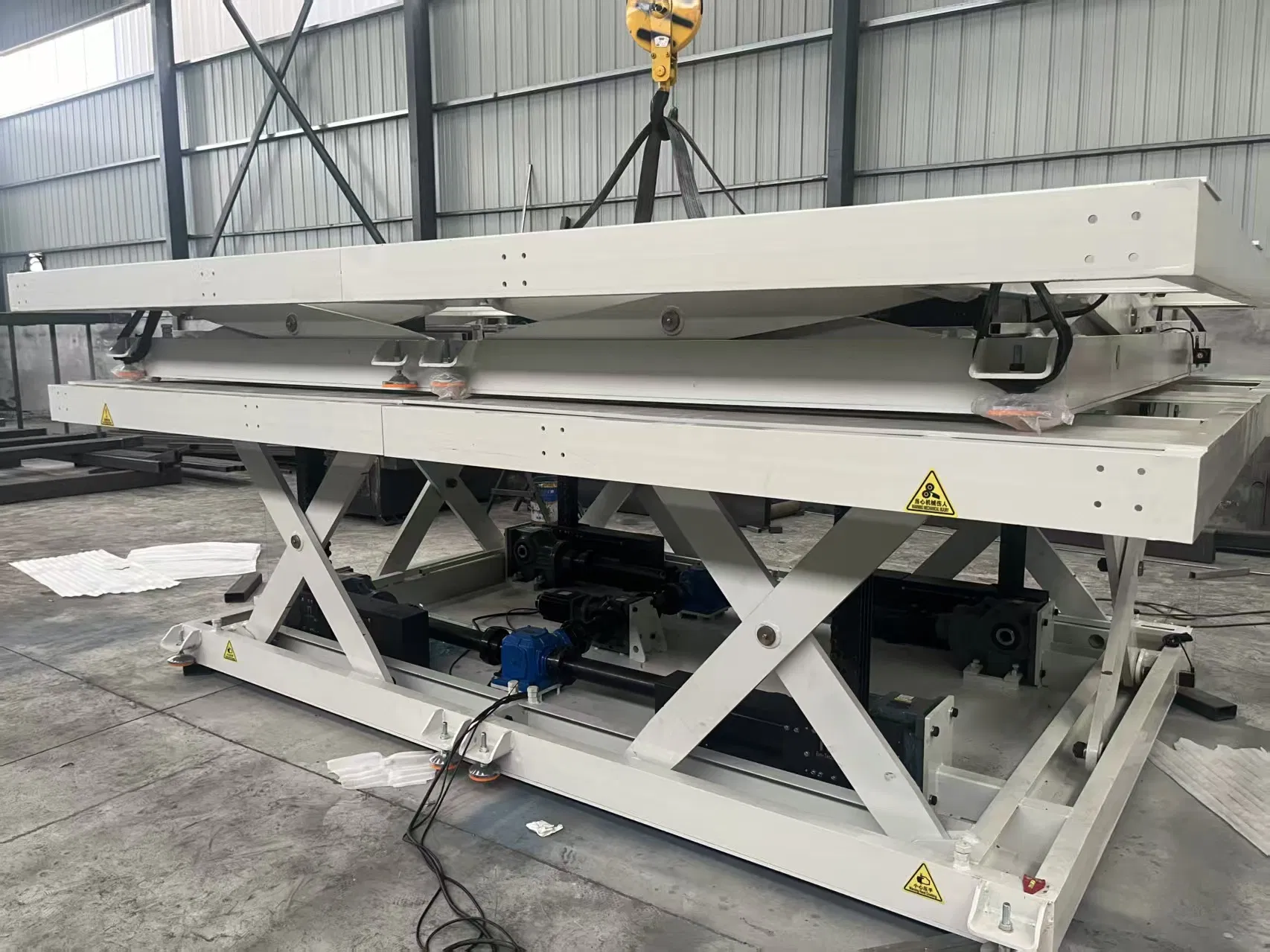
The rigid chain lifting platform is a mechanical device that achieves vertical lifting through rigid chain transmission. Its core is the rigid chain transmission mechanism, which consists of a series of high-strength metal chain links. The motor drives the chain to rotate and mesh to form a rigid support column, which drives the platform to rise and fall smoothly.
Working Principle: The motor drives the rigid chain to rotate, and the chain links form a rigid column through precise meshing. The chain stretches or contracts in the guide device, driving the platform up or down. Similar to "screw transmission", but the rigid characteristics of the chain make it less likely to bend under high loads and more stable.
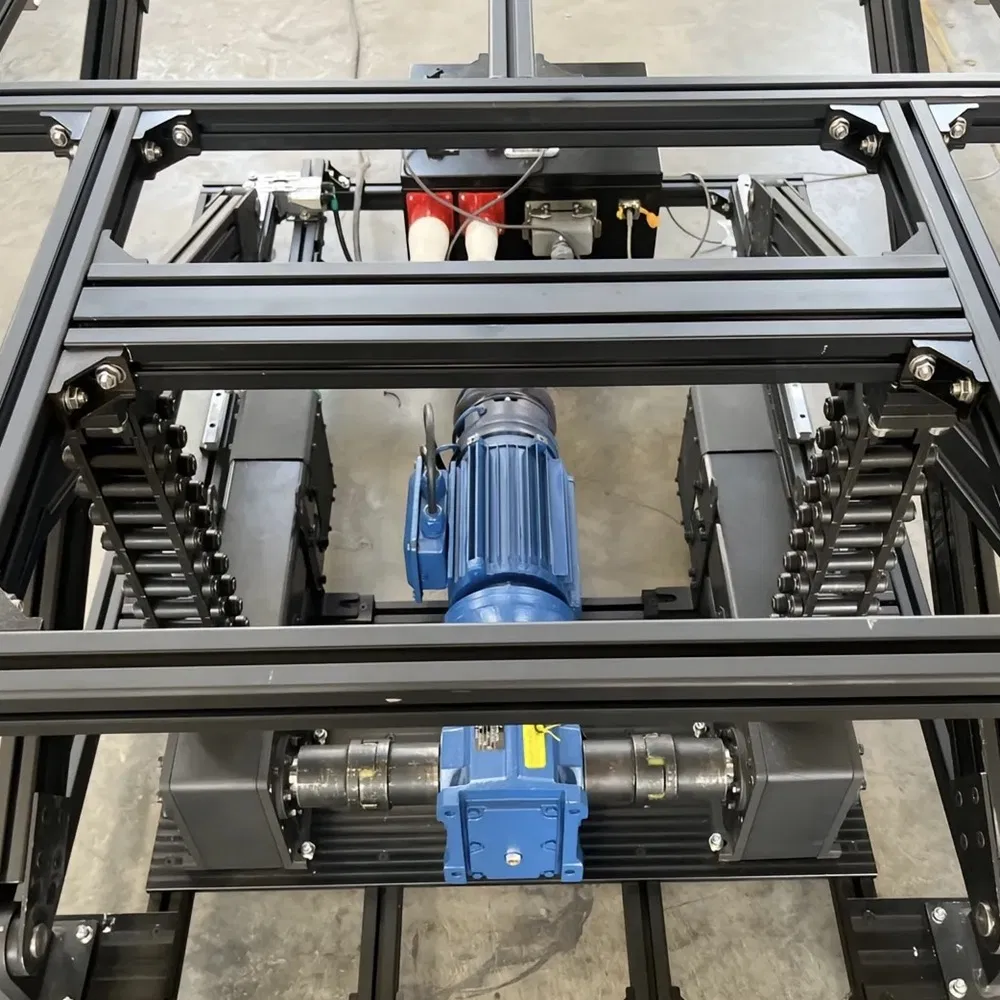
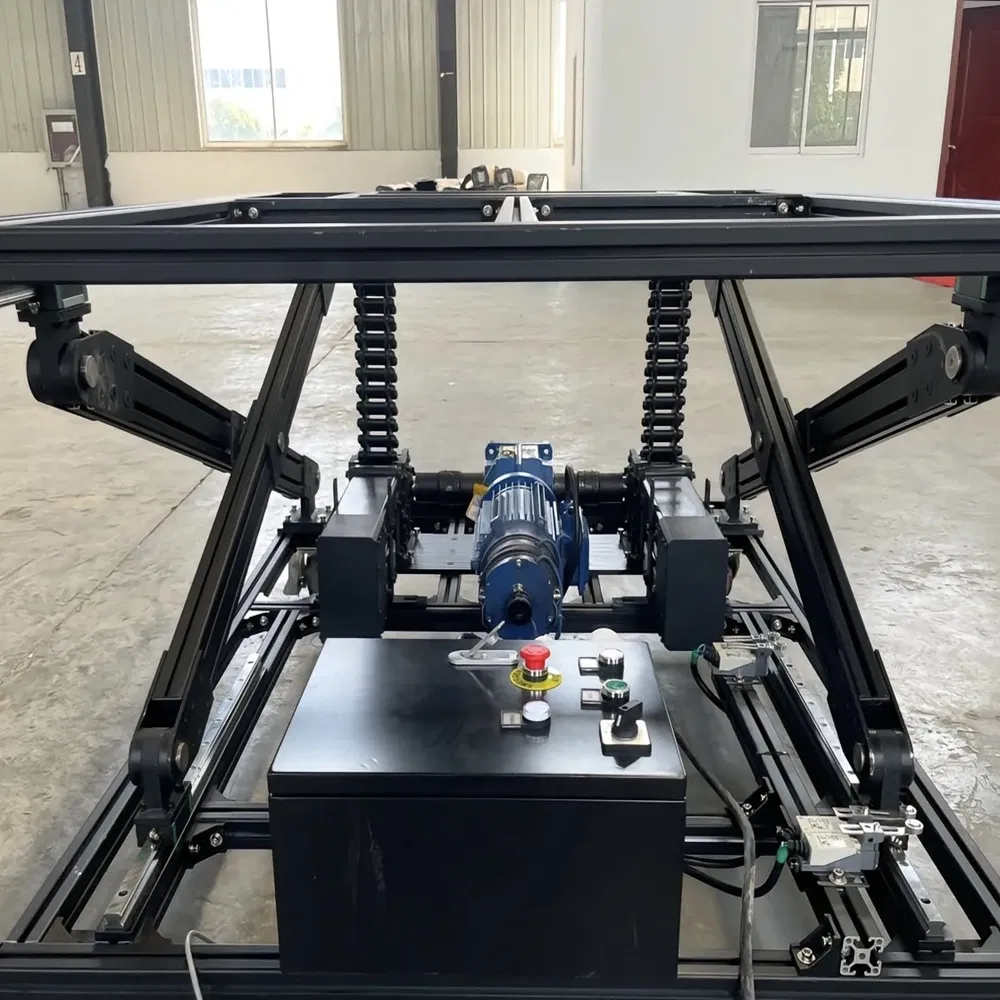
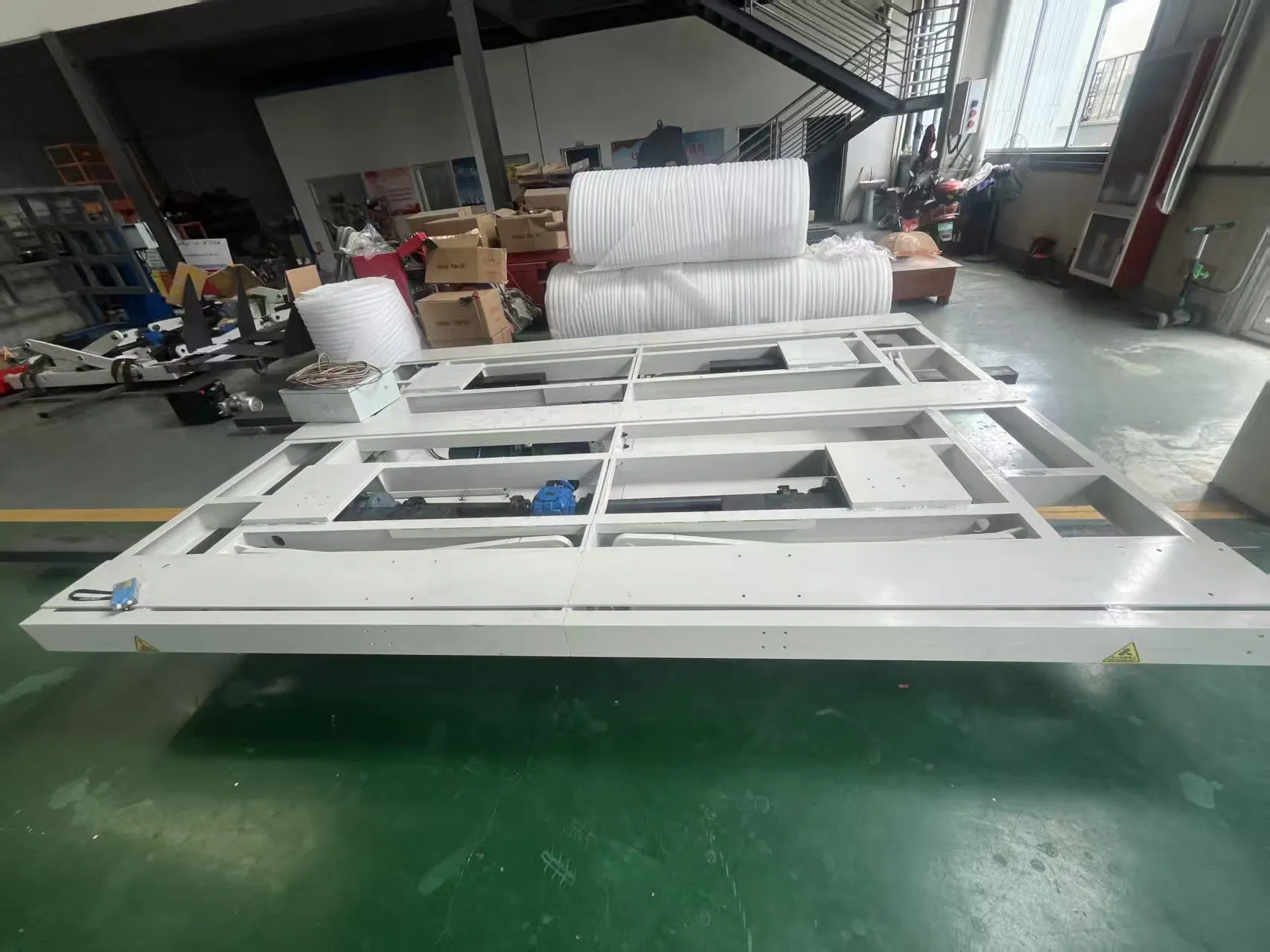
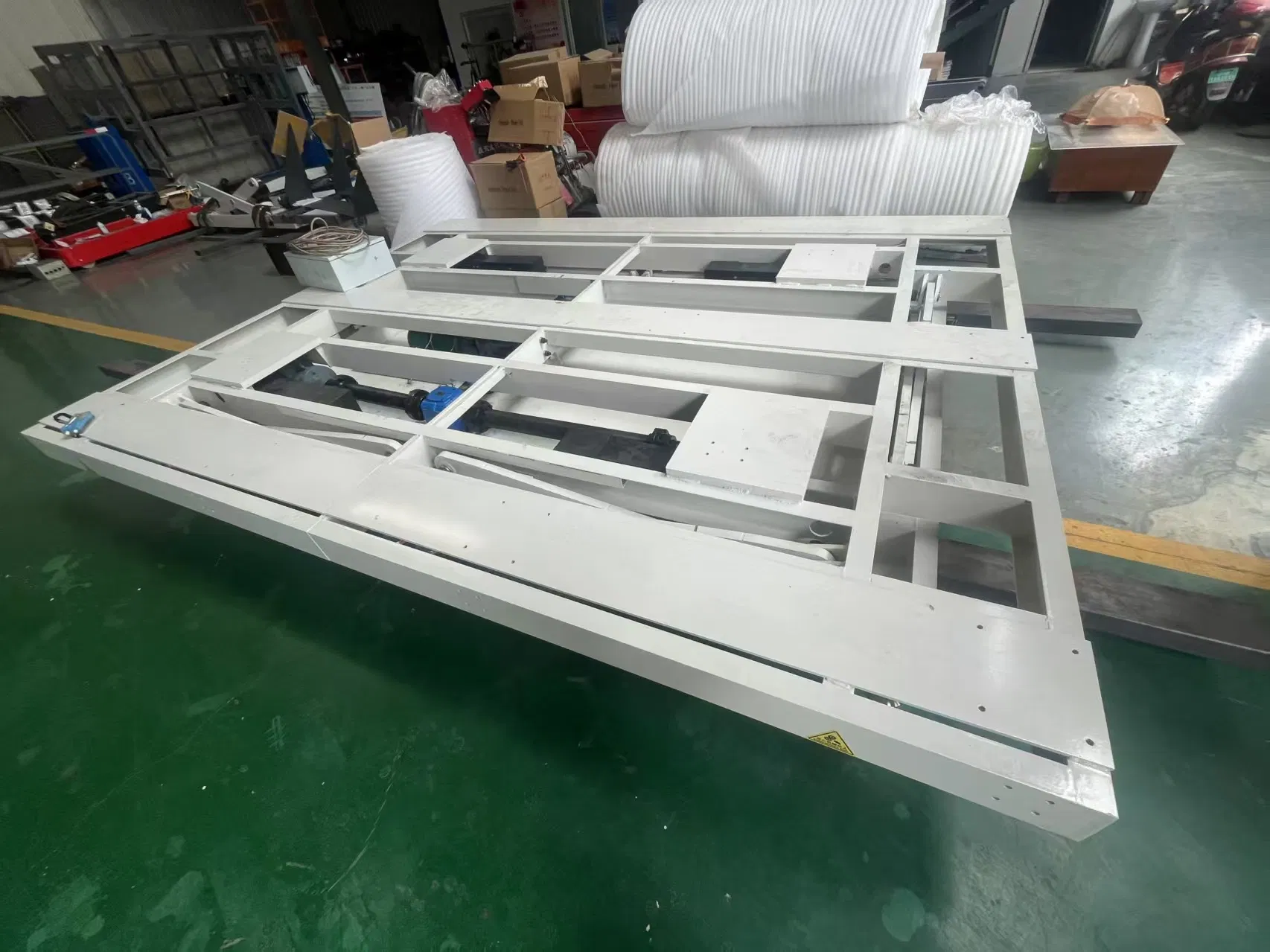
Drive unit: The motor (servo/stepper) provides power, and the reducer controls speed and torque. Rigid chain: High-strength alloy chain links with self-locking function to ensure safe load-bearing. Guide mechanism: Accurately guide the chain movement to prevent deviation. Control module: PLC or microcontroller achieves precise positioning and supports automated operation. Safety devices: overload protection, emergency brake, anti-fall lock, etc.
High load capacity: The rigid chain structure can carry several tons to tens of tons. Compact design: Small footprint, suitable for narrow environments. Smooth operation: Low noise (usually <60 dB), no hydraulic fluctuations. Easy maintenance: No risk of hydraulic oil leakage, long chain life (5-10 years). Precise positioning: Repeated positioning accuracy can reach ±0.1mm.
Stage and theater (lifting stage, lighting racks), Industrial automation (automobile assembly lines, Tesla battery lifting), Logistics warehousing (automated retrieval with AGV), Special fields (aircraft maintenance, medical operating tables), and Intelligent parking systems.
Consider load requirements, lifting height, environmental adaptation (dust-proof/explosion-proof), and control integration. Future trends include intelligence (AI predictive maintenance), lightweight materials (carbon fiber), and modular design for flexible production.