BioX Medical
1 / 3
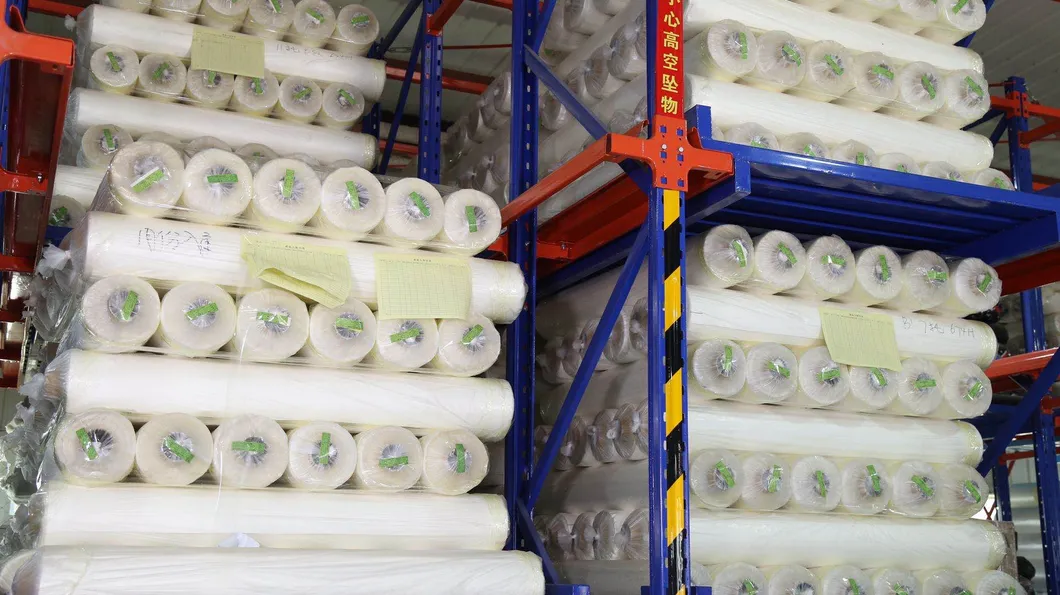
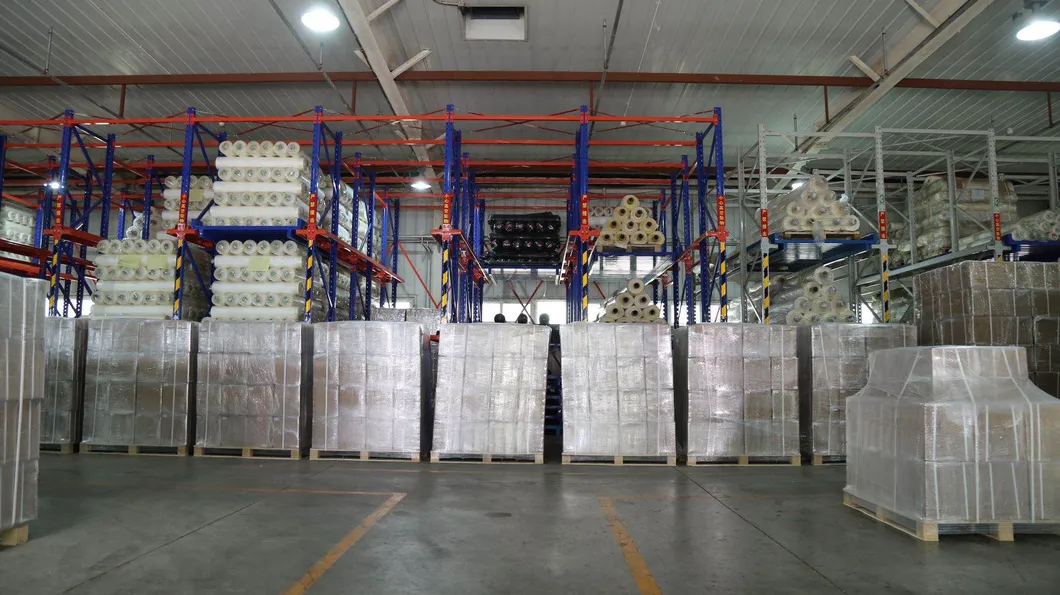
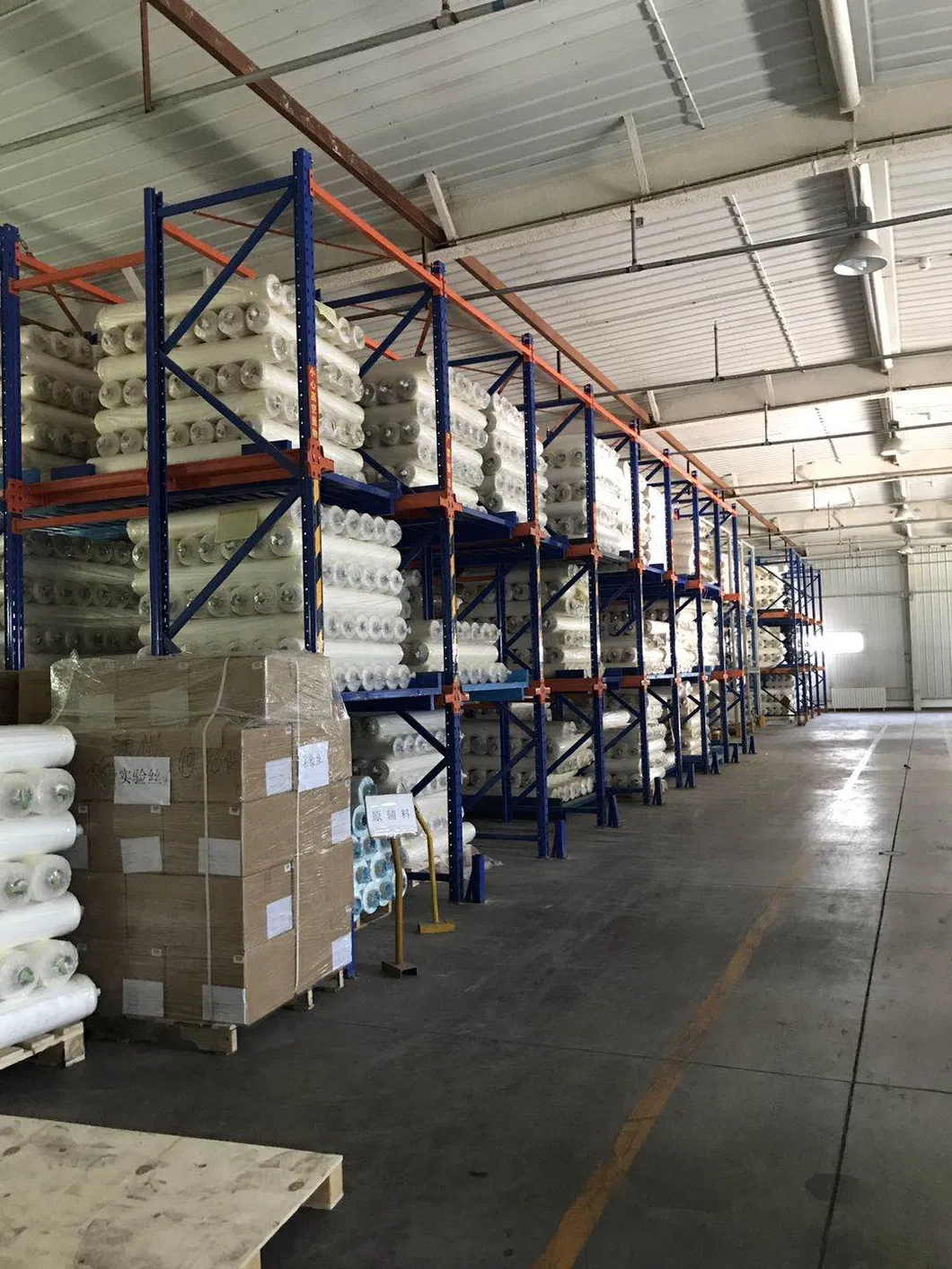
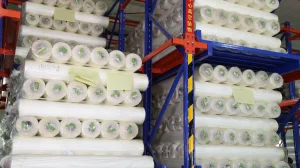
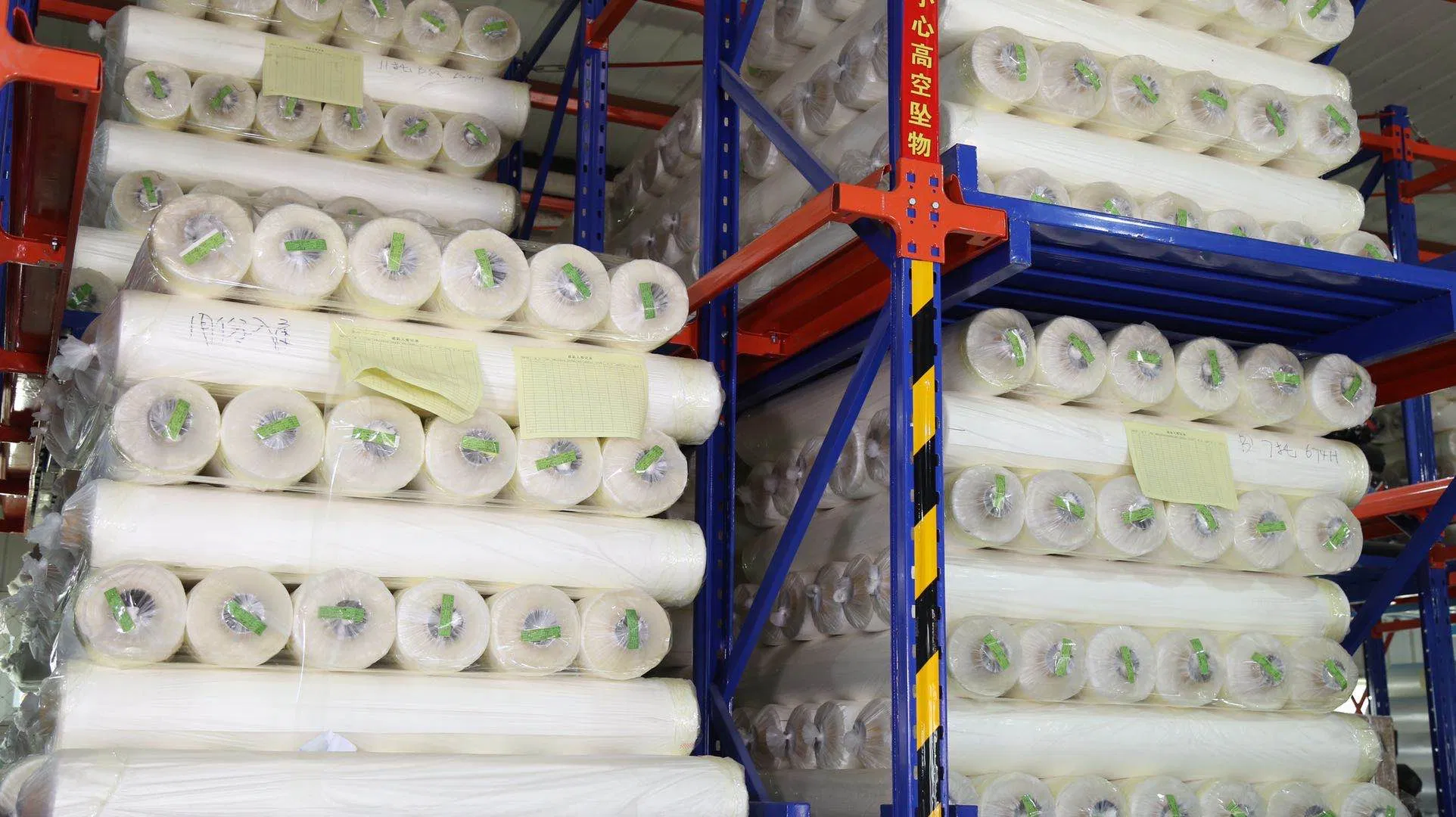
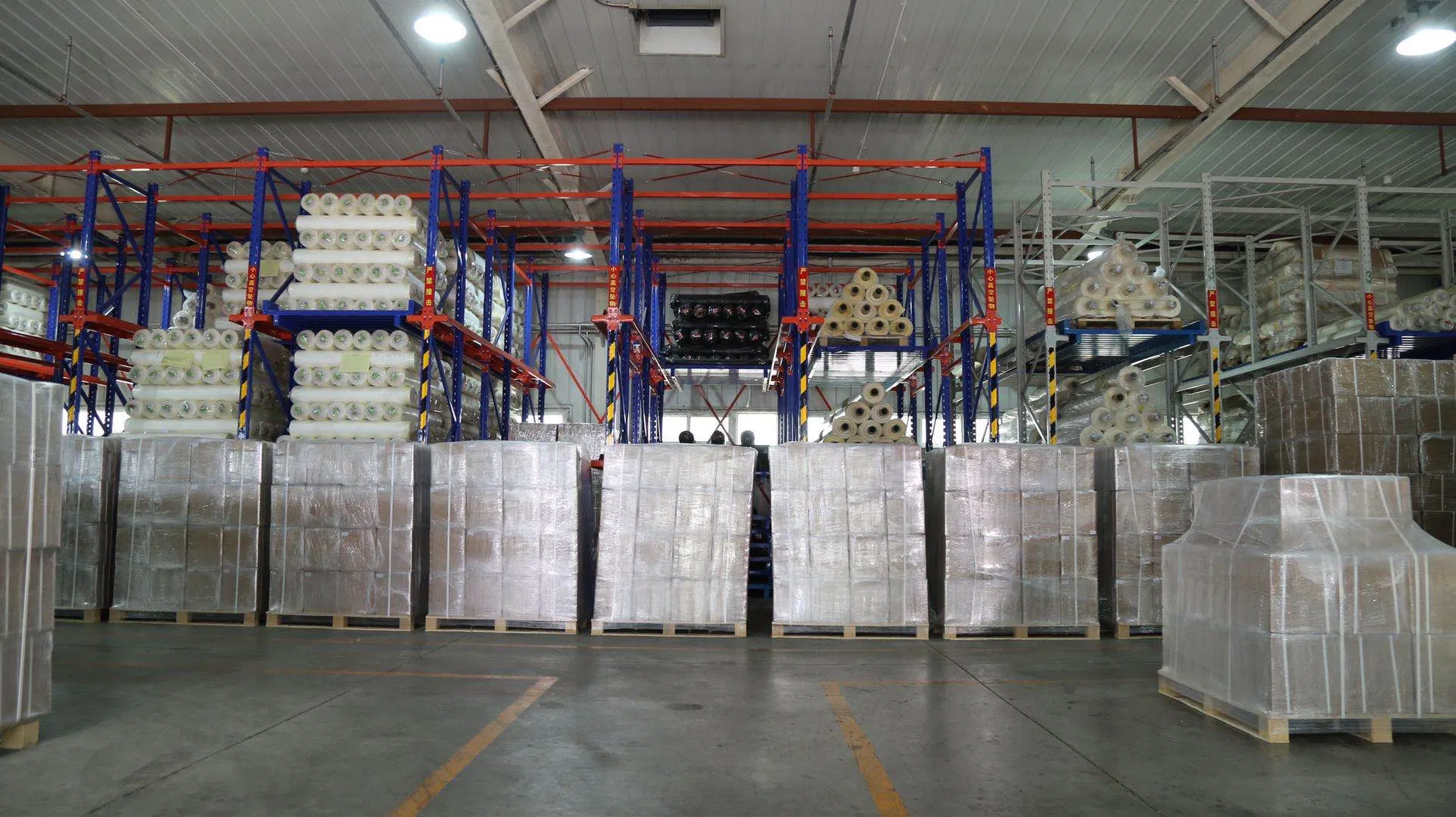
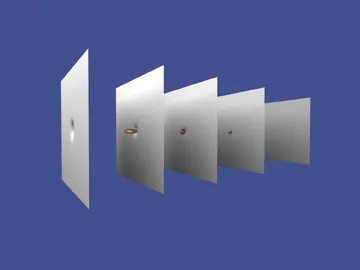
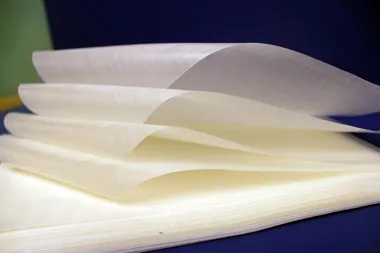
Bulletproof UD sheet is a unidirectional construction in which the yarns are not woven but lie parallel to each other. It can be divided into soft sheet and hard sheet. The soft sheet is used for light soft body armor, while the hard sheet is used for bulletproof plates, helmets, and shields. Using this UD material, minimum weight is required for protection at different levels. It remains unaffected by water or sunlight and requires no special environmental protection.
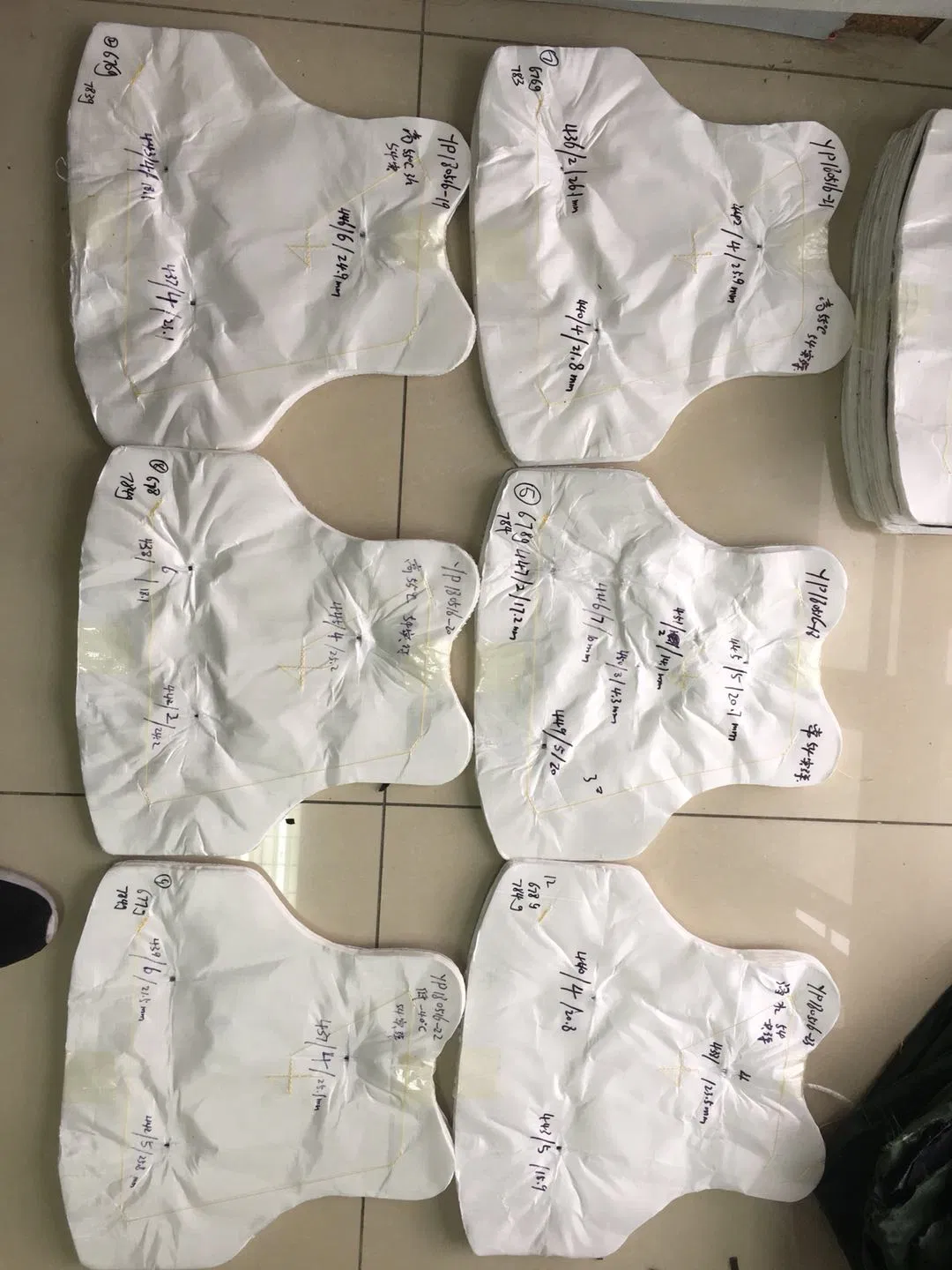
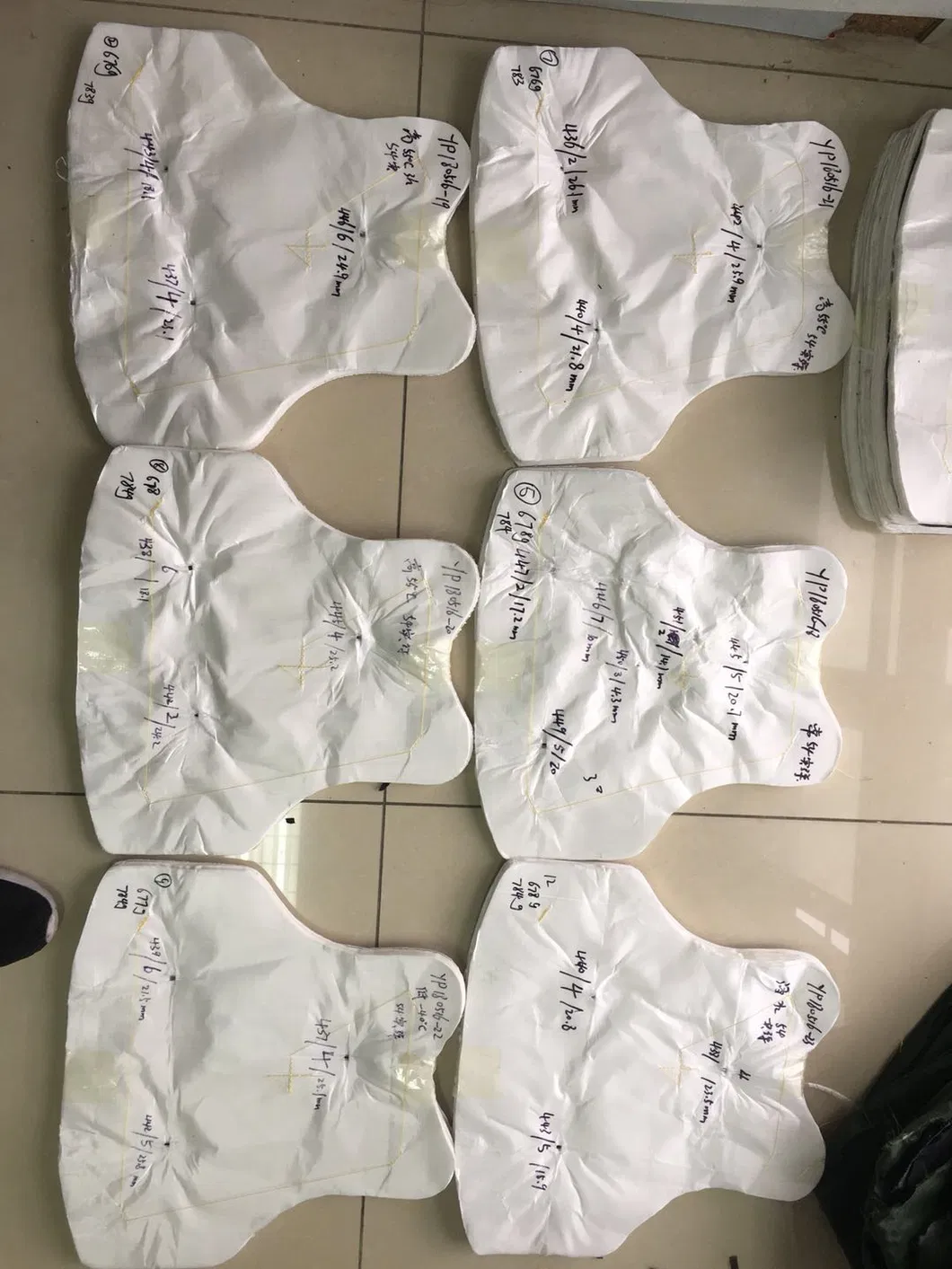
These materials have successfully passed NIJ certificate testing at NTS Chesapeake lab in the USA, covering both room temperature and conditioning testing protocols.
| Product | Areal Density | Thickness | Size |
|---|---|---|---|
| WB-674m (1.2-1.6m) | 160±5g/m² | 0.19±0.02mm | 1.2m × 100m |
|
Structure: Multiaxial UD fabric Applications: Soft body armor, Explosion-proof blanket Performance: - 25 layers prevent 9mm parabellum pistol bullets (Uzi 9mm sub-machinegun, NIJ0101.04 III A). Area density: 4kg/sqm. - 33 layers comply with NIJ0101.04 Level IIIA.44 requirements. Area density: 5.35kg/sqm. |
|||
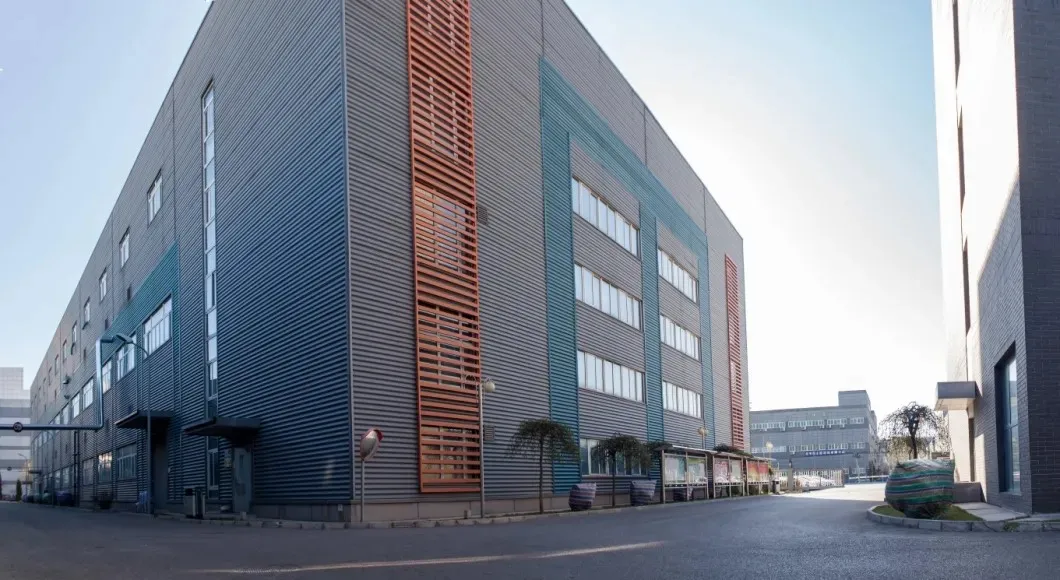
Utilizing specialized industrial technology research on UHMWPE fiber, the production process implements Gel Spinning techniques. With complete intellectual property rights and dozens of authorized patents, the technology covers all areas of high-performance fiber composites. The production follows strict quality management systems including ISO 9001:2015 and military-grade standards to ensure stable performance and reliability.


Soft UD sheets are flexible and designed for lightweight wearable armor like vests, while hard UD sheets are rigid, used for inserts, helmets, and vehicle shielding.
No, the PEUD material is engineered to be resistant to water and sunlight, maintaining its ballistic integrity even in humid or exposed conditions.
NIJ Level IIIA is designed to stop common handgun threats, including 9mm sub-machinegun rounds and .44 Magnum bullets.
Typically, 25 layers can provide protection against 9mm parabellum (NIJ III A), while 33 layers are used to meet the more stringent NIJ Level IIIA.44 standards.
Yes, due to its high energy absorption properties, it is an excellent choice for manufacturing explosion-proof blankets and ballistic bags.
The material is highly durable and requires no special maintenance. It is designed for long-term stability under various environmental conditions.