In the post-pandemic era, Molecular Epidemiology has transitioned from a specialized research niche to the backbone of global public health infrastructure. Unlike traditional epidemiology, which relies on phenotypic observation and demographic data, molecular systems leverage Next-Generation Sequencing (NGS), Quantitative PCR (qPCR), and Bioinformatics to track the evolution, transmission, and drug-resistance patterns of pathogens at a genomic level.
The global market for these systems is currently witnessing a CAGR of 12.5%, driven by the urgent need for real-time biosecurity and the rise of precision medicine. Governments and private healthcare providers are no longer just looking for "machines"; they are seeking integrated ecosystems that combine automated sample preparation, high-throughput analysis, and AI-driven data interpretation.
Leading suppliers are now evaluated based on their ability to provide "Information Gain"—meaning the system must not only generate data but also provide actionable insights into mutation trajectories and outbreak origins. This is where the synergy between diagnostic hardware and computational software becomes critical.
In hubs like Shenzhen, the distance from a PCB manufacturer to an optical sensor supplier is often just a few kilometers. This geographical density reduces lead times by 40% compared to Western counterparts, allowing for rapid prototyping of molecular systems.
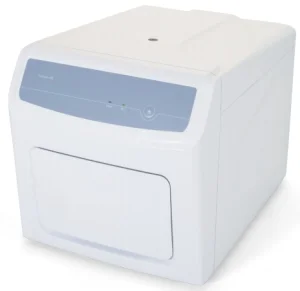
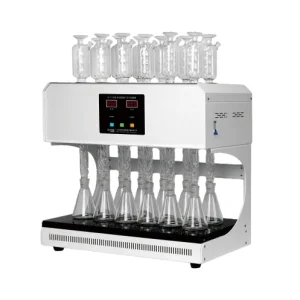
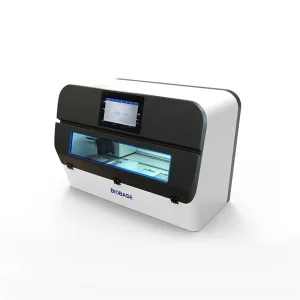
China's massive domestic healthcare market allows manufacturers to achieve economies of scale early in the production cycle. This enables the delivery of high-precision instruments like the Jy-Cx Series Nucleic Acid Sequencing System at a fraction of the cost of global competitors without sacrificing quality.
Chinese factories have transitioned from "labor-intensive" to "intelligence-intensive." Automated assembly lines for PCR systems ensure micron-level precision and rigorous consistency, meeting international standards like CE, IEC, and ISO.
Molecular epidemiology systems are highly context-dependent. A supplier’s value is often determined by how well their equipment adapts to local constraints:
Shenzhen BioX Medical Co., Ltd. is a professional manufacturer specializing in molecular diagnostic analysis systems, genetic testing solutions, and clinical laboratory equipment. Established in 2017, the company is headquartered in Shenzhen, China, a leading center for biotechnology innovation, medical device development, and advanced manufacturing.
With a modern manufacturing facility covering more than 9,000 square meters and a workforce of over 200 employees, BioX Medical is dedicated to the research, development, production, and supply of molecular diagnostic technologies for clinical laboratories, hospitals, research institutions, public health organizations, and biotechnology companies worldwide.
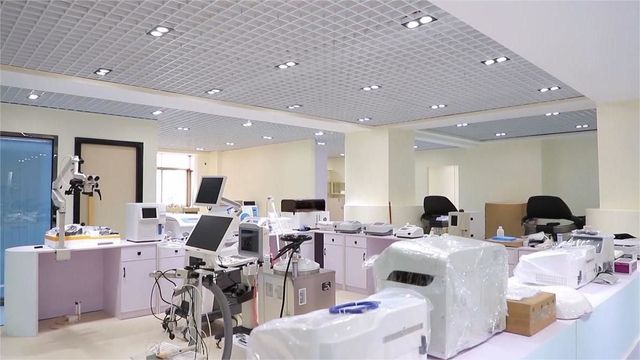

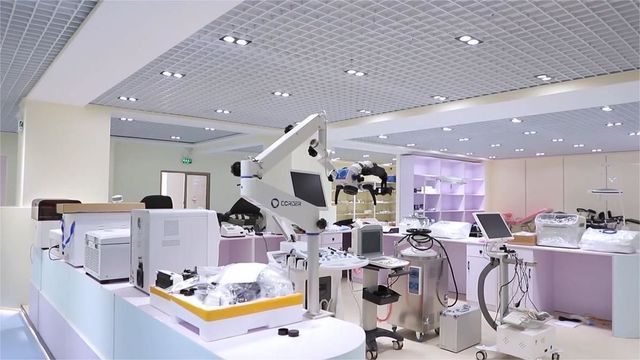
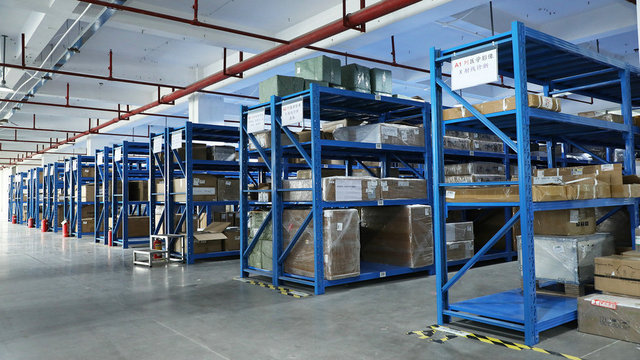
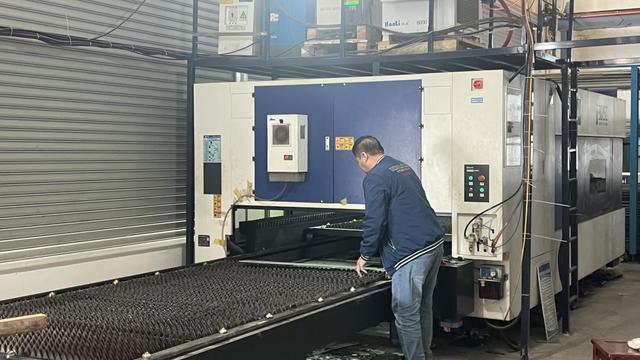
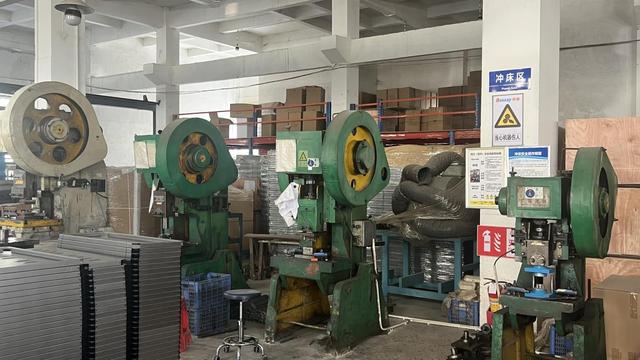
Supported by a multidisciplinary team of engineers, laboratory specialists, and quality management professionals, the company continuously invests in innovation and product development. Comprehensive quality control procedures are implemented throughout design, manufacturing, testing, and inspection processes to ensure consistent performance and compliance with international industry standards.
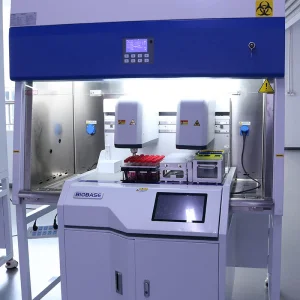
The industry is moving toward "Total Lab Automation" (TLA). This involves the seamless connection of sample extraction, library preparation, and sequencing without human intervention. Additionally, Edge Bioinformatics—where data processing happens on the device itself—is becoming a standard requirement for rapid decision-making in public health crises.
Another emerging trend is One Health Integration. Molecular epidemiology systems are now being designed to handle samples from humans, animals, and the environment (soil/water) interchangeably, recognizing the interconnectedness of global health. This requires versatile platforms capable of multiplexing and broad-spectrum pathogen detection.
 BioX Medical