BioX Medical
1 / 5
Features:
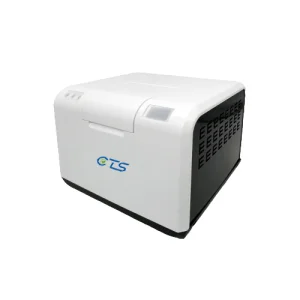
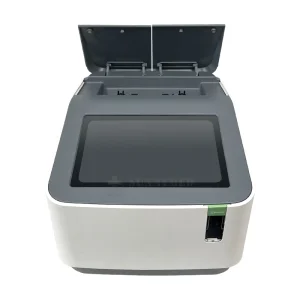
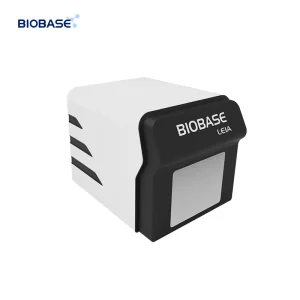
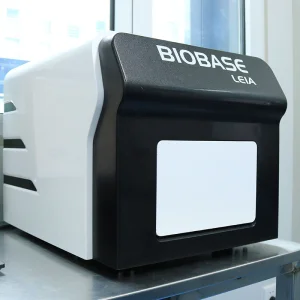
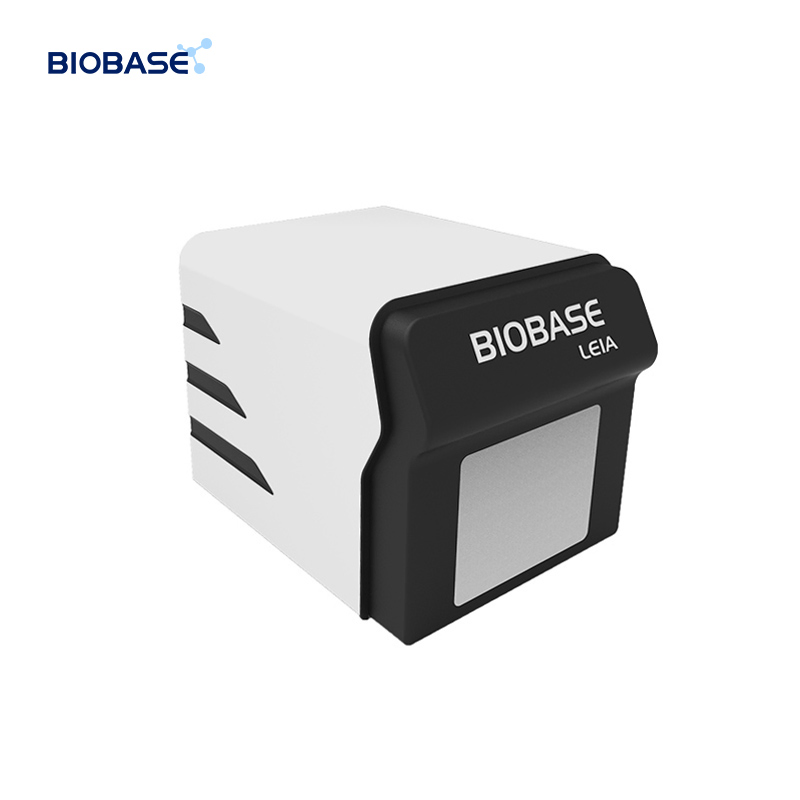
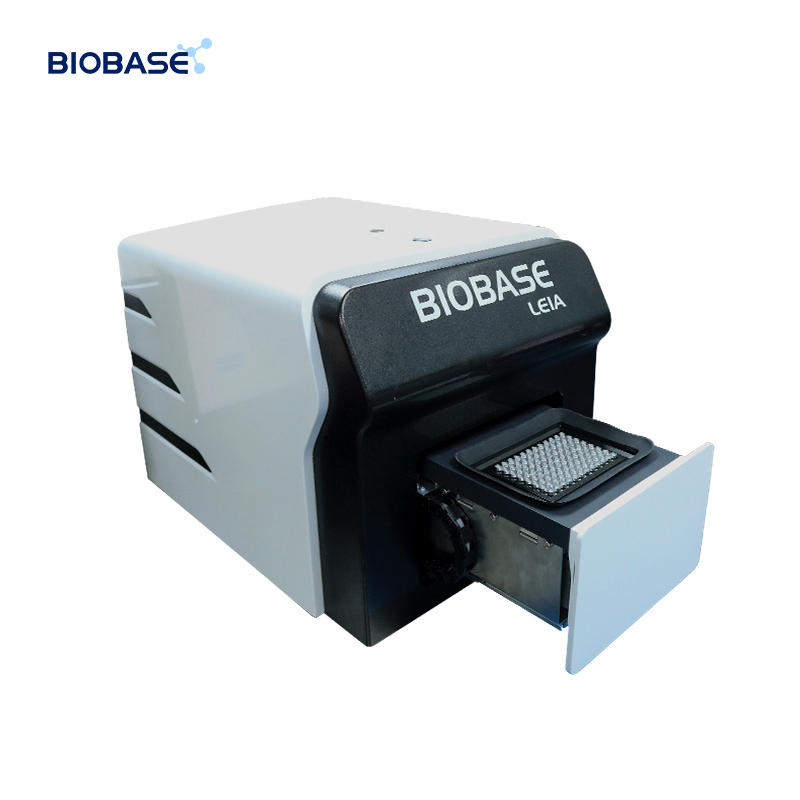
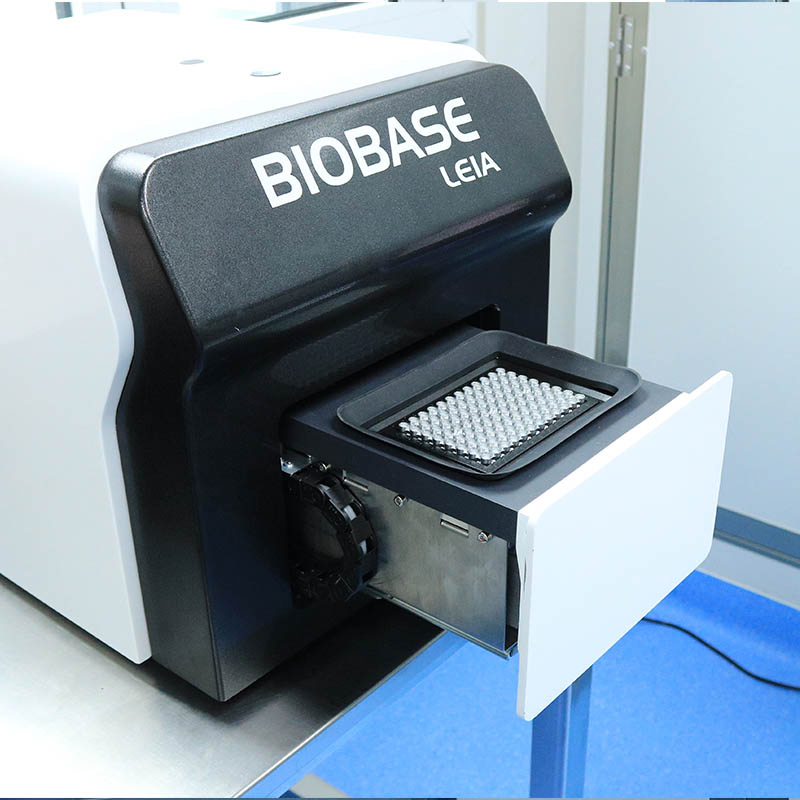
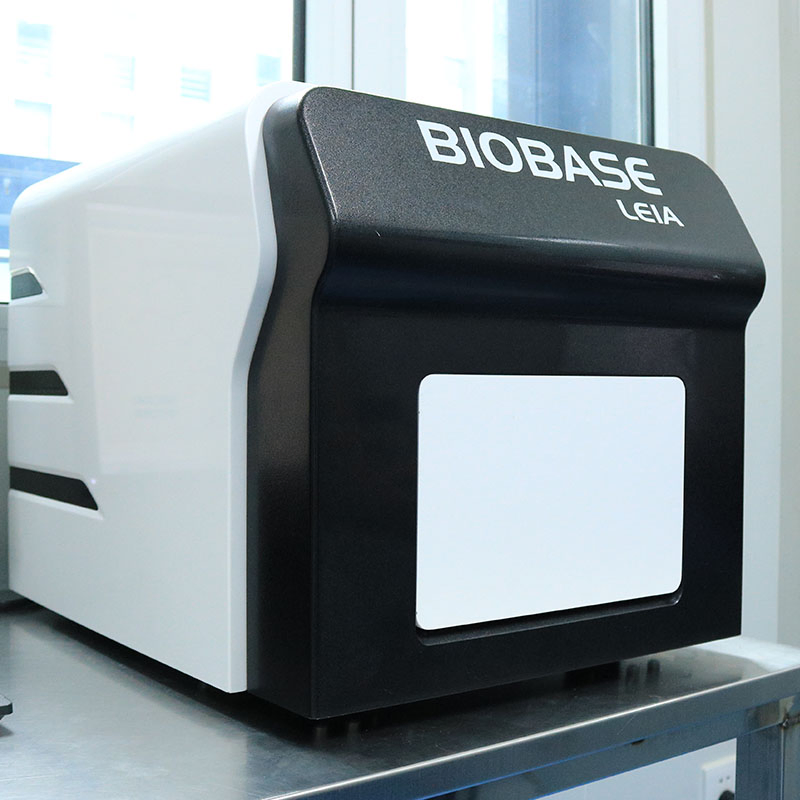
Introduction: Real-time PCR is used for sensitive, specific detection and quantification of nucleic acid targets. This system utilizes powerful assay design algorithms and optimized reagents to help harness the power of qPCR across diverse applications.
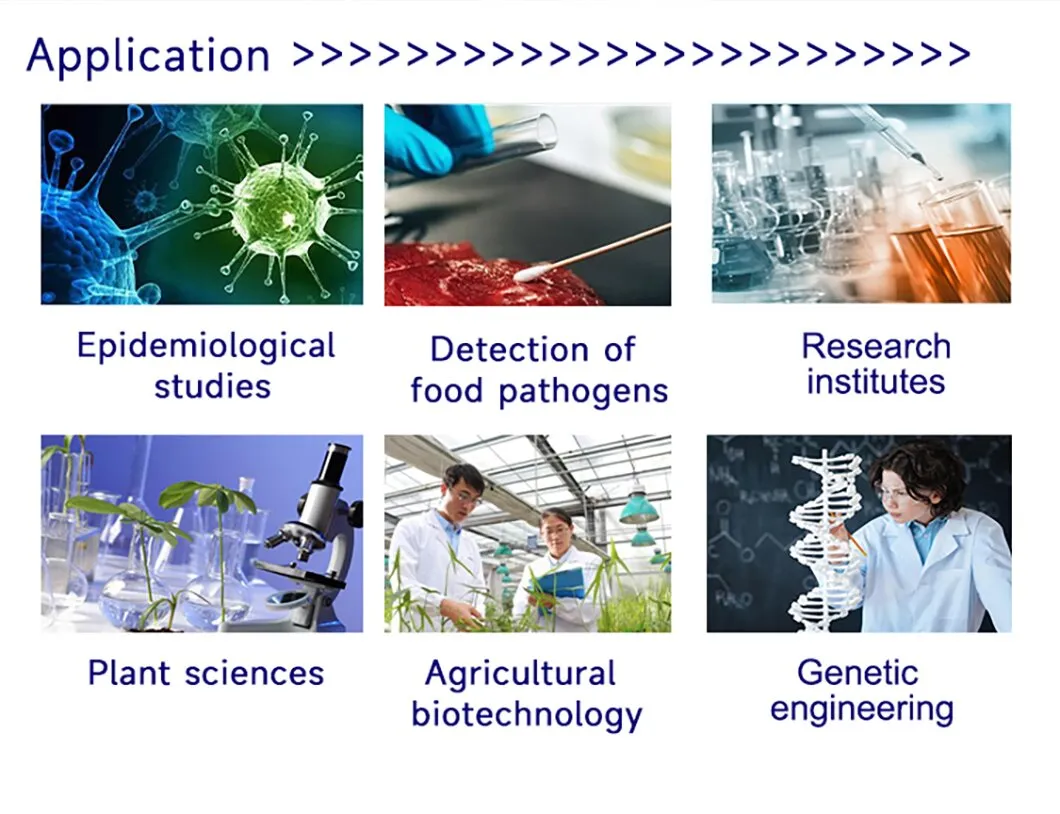
Application: Infectious disease research, food pathogen detection, waterborne pathogen detection, stem cell research, pharmacogenomics, oncology, and agricultural biotechnology.
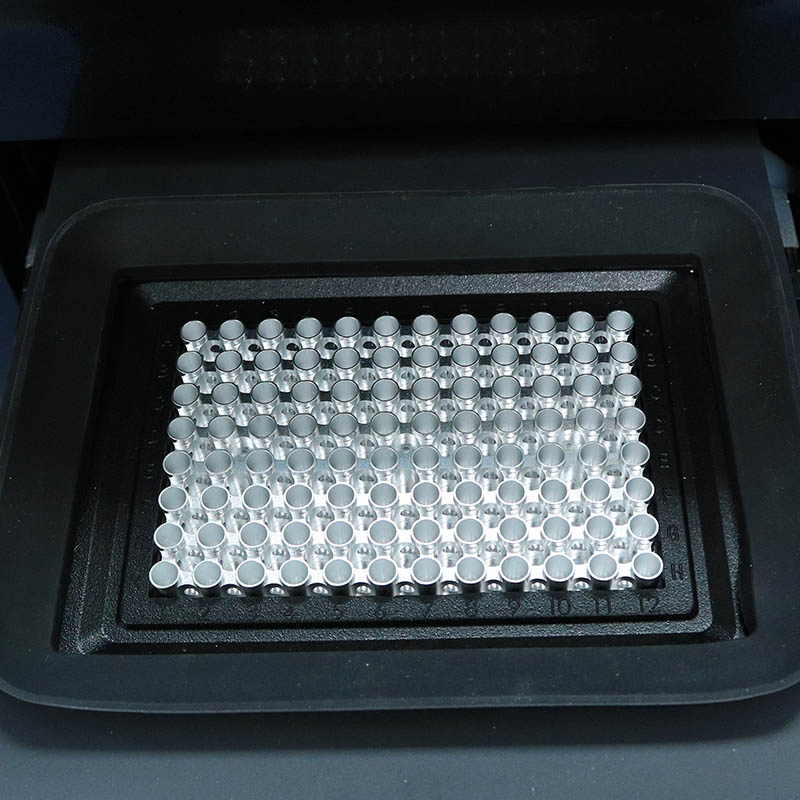
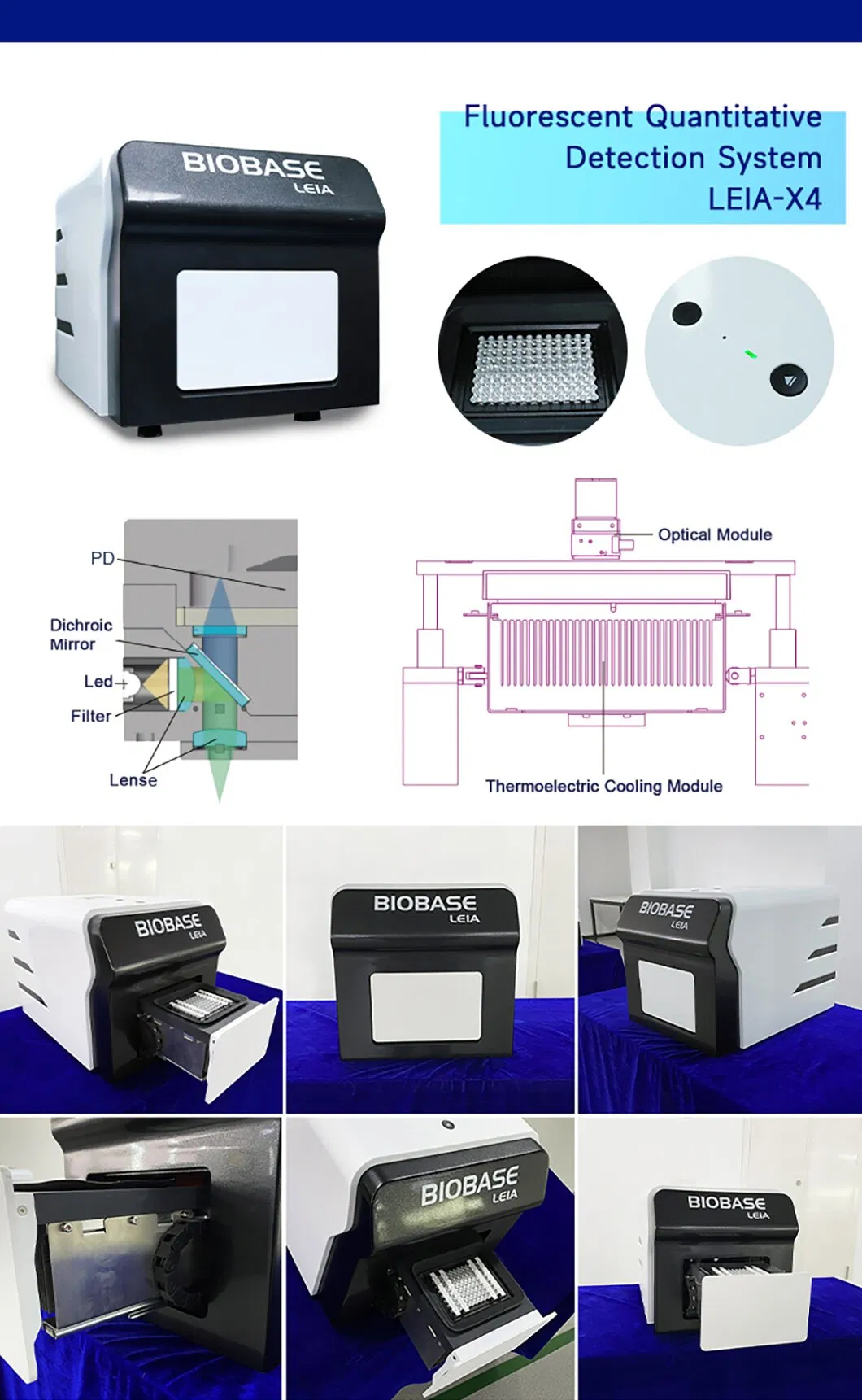
Working Principle: Temperature changes are controlled by a semiconductor Peltier element for PCR amplification. A high-sensitivity PD unit detects fluorescence through programmed channel switching and non-contact 96-well scanning.
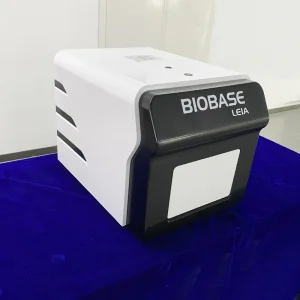
| Product Name | Fluorescence Quantitative PCR Detection System | |||
| Model | LEIA-X4 | |||
| Sample Capacity | 96x0.1ml PCR plate, 12x8-strip tubes, 96*0.1ml single tube | |||
| Dynamics Range | 1-10^10 copies | |||
| Channels | 4 Channels | |||
| Detection Path | F1 | F2 | F3 | F4 |
| Suitable Dye | FAM/SYBR Green | VIC/JOE/HEX | ROX/Texas-Red | Cy5 |
| Ramp Rate | 5.0ºC/s (max) | |||
| Temp. Accuracy | ±0.3ºC | |||
| Temp. Uniformity | ≤ ±0.3ºC | |||
| Special Functions | Absolute quantitative analysis, relative quantification, SNP Analysis, melting curve analysis | |||


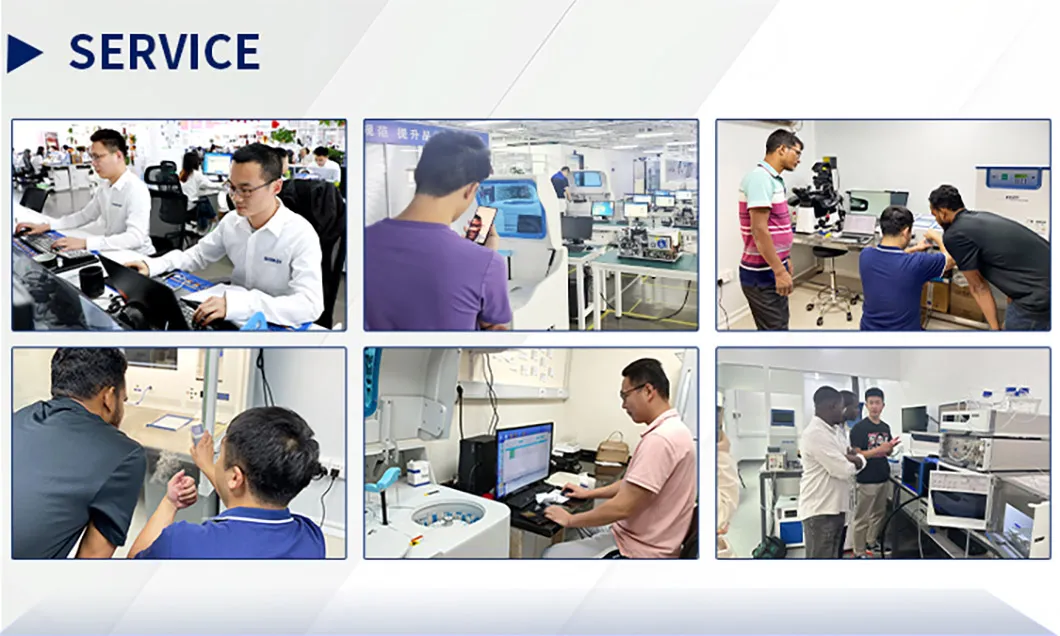
Our group specializes in 8 core areas including medical diagnosis, biosafety protection, disinfection, and molecular biology laboratory solutions. With a global R&D and marketing network, we ensure professional support across various regions.


Pre-Sales Service: