BioX Medical
1 / 5
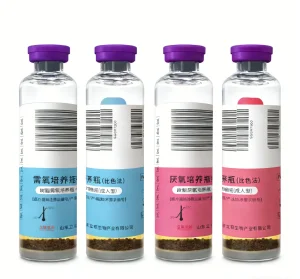
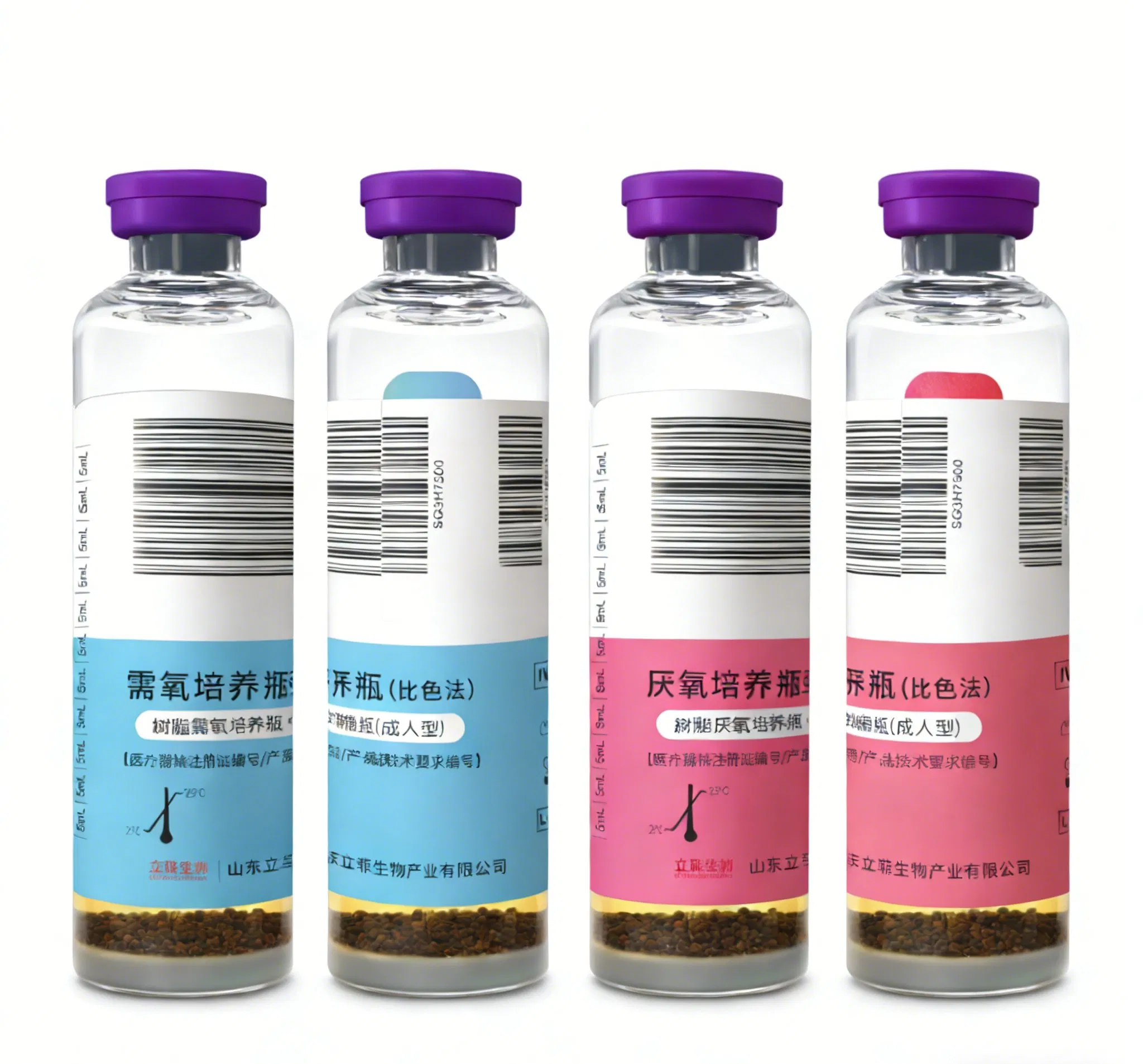
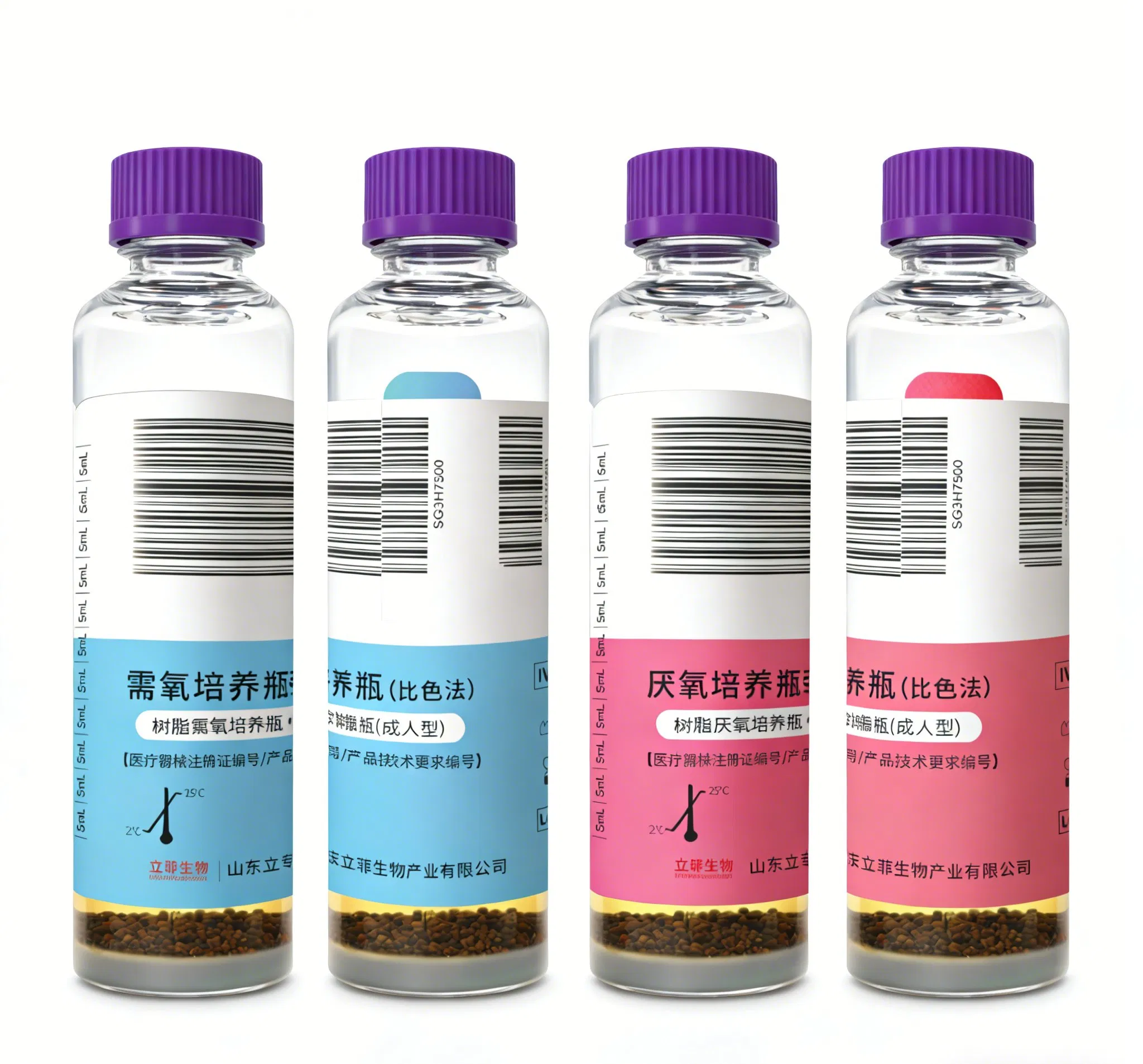
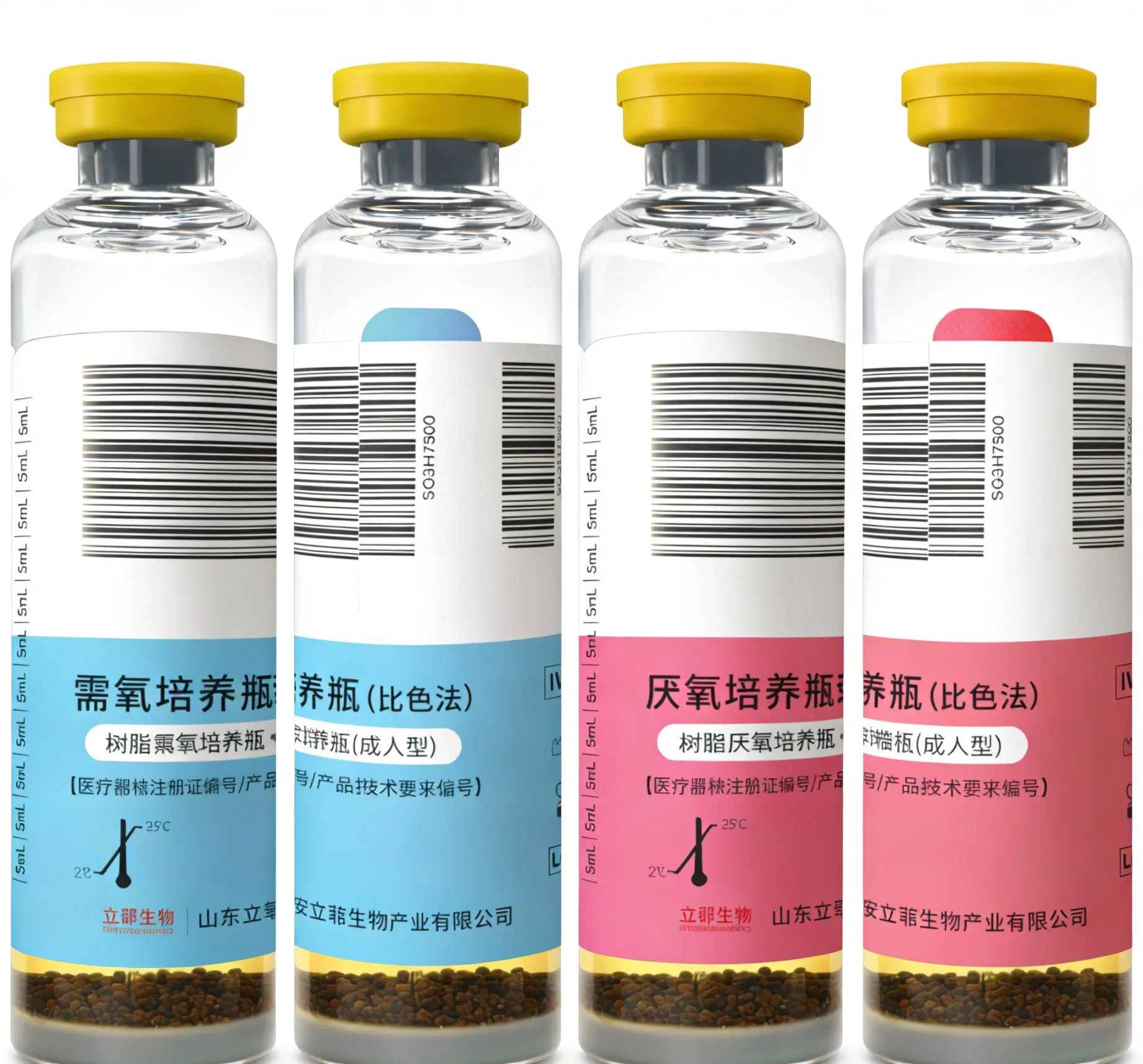
Laboratory Test Reagent Bottle Adult & Child Oxygen-Demanding Resin Bottle
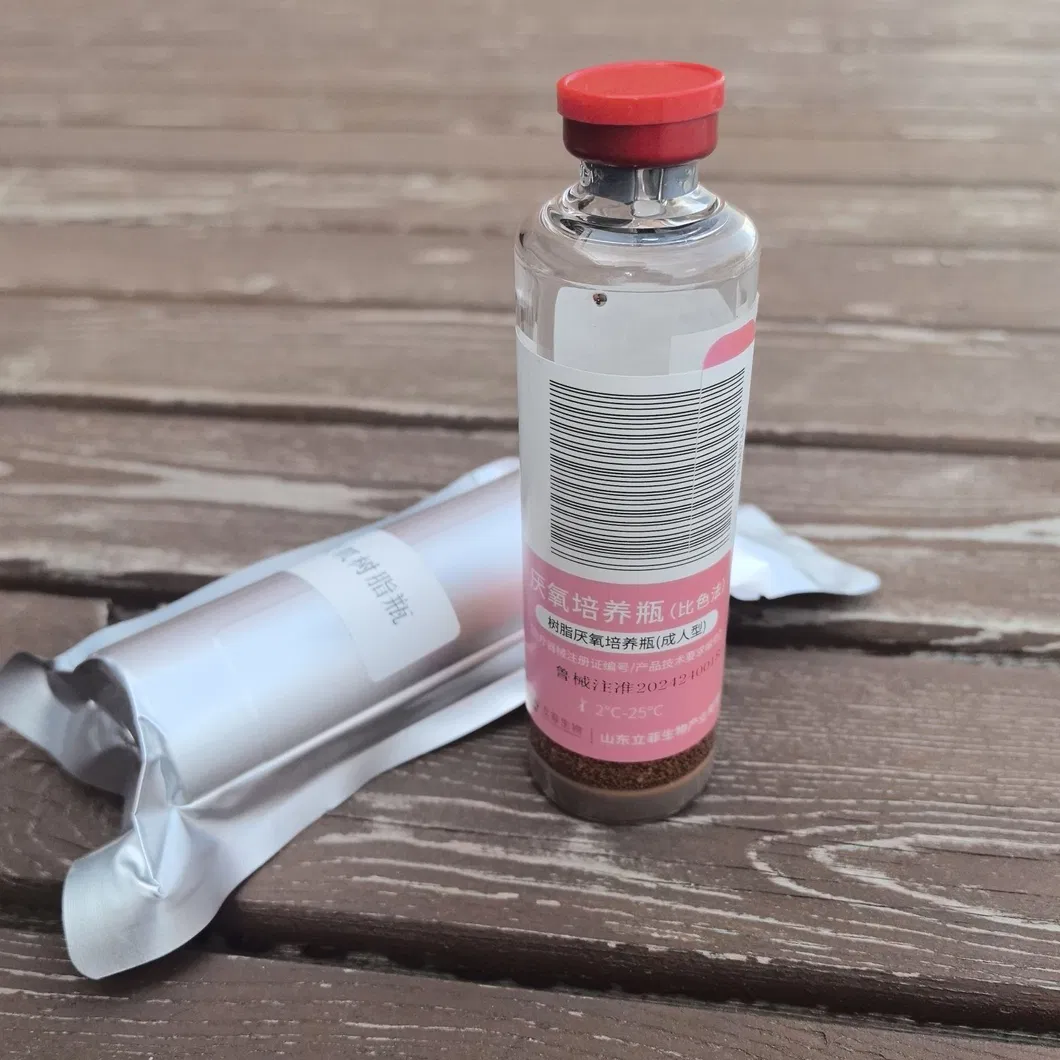
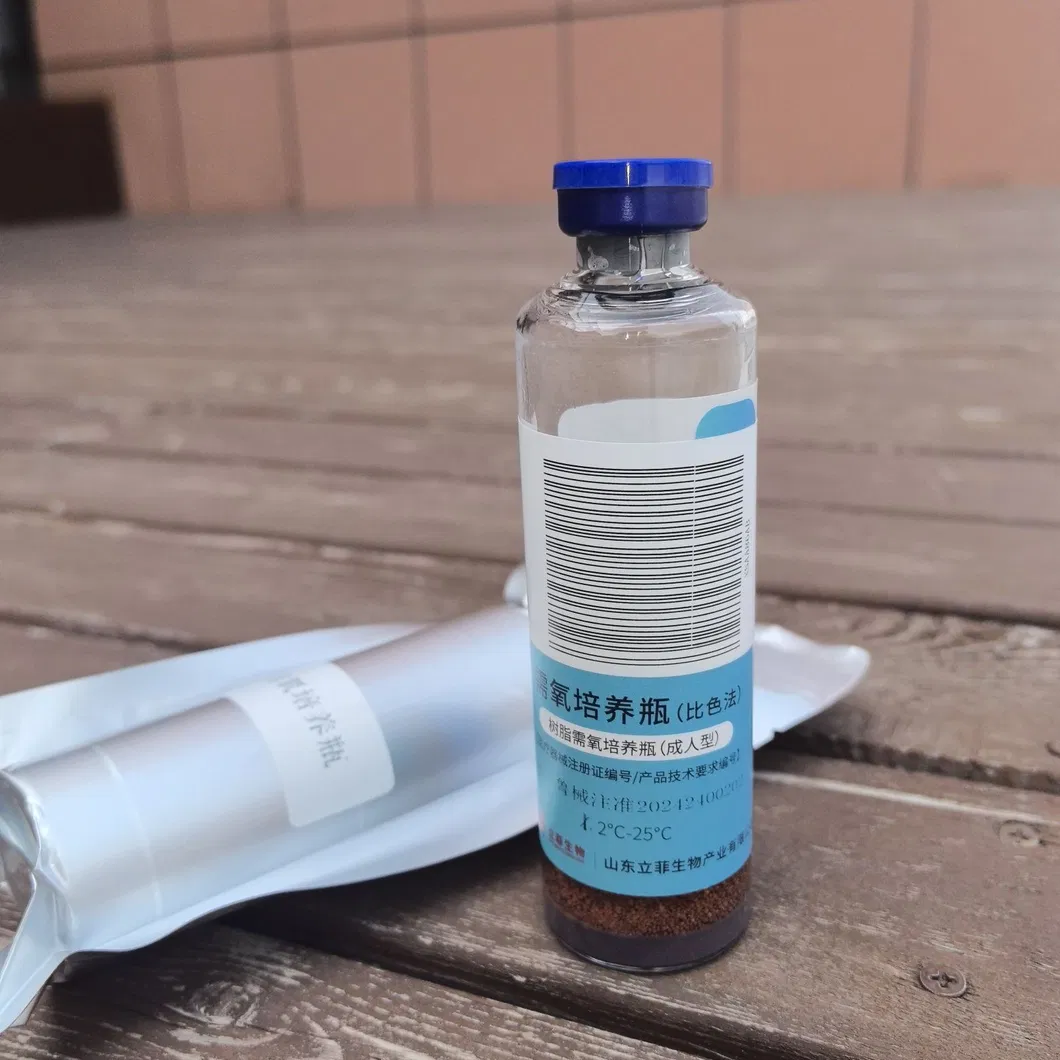
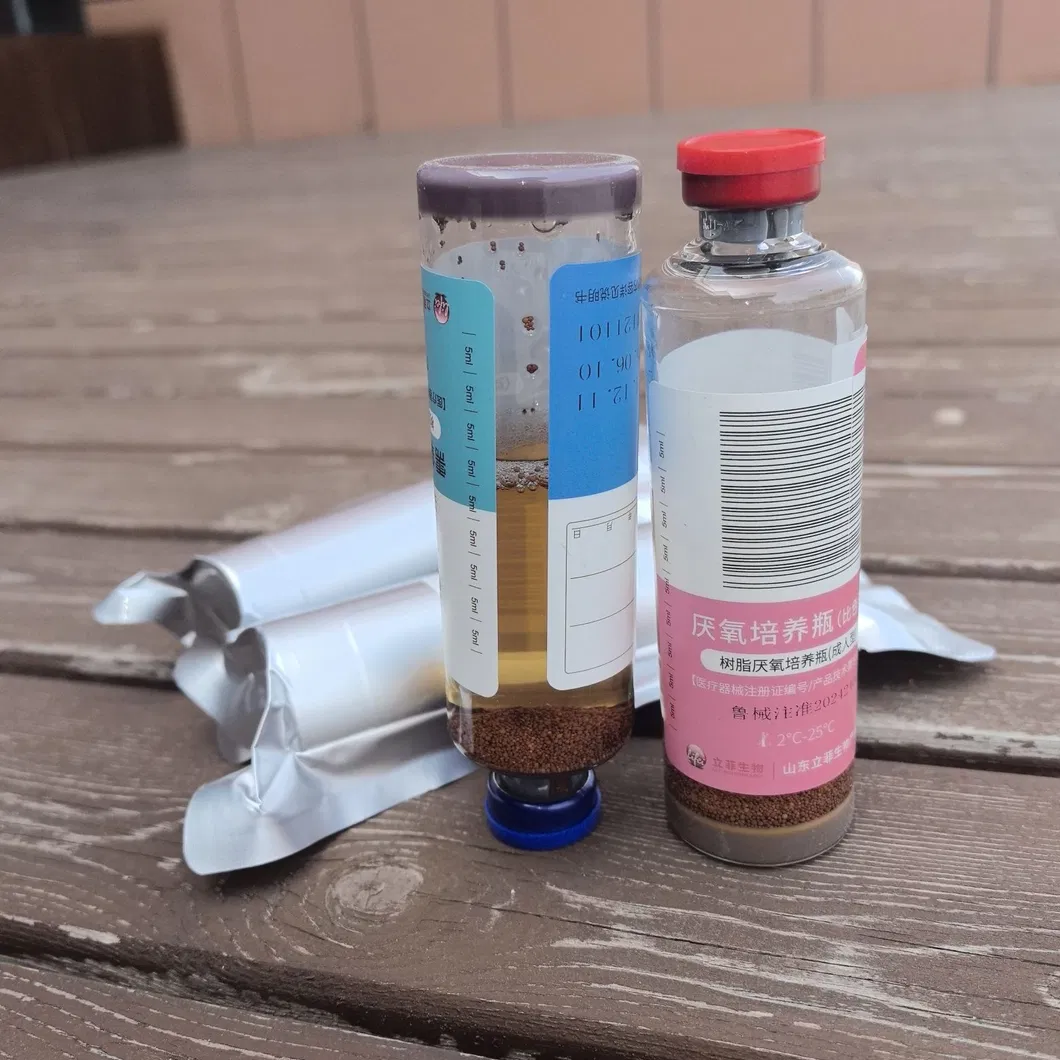
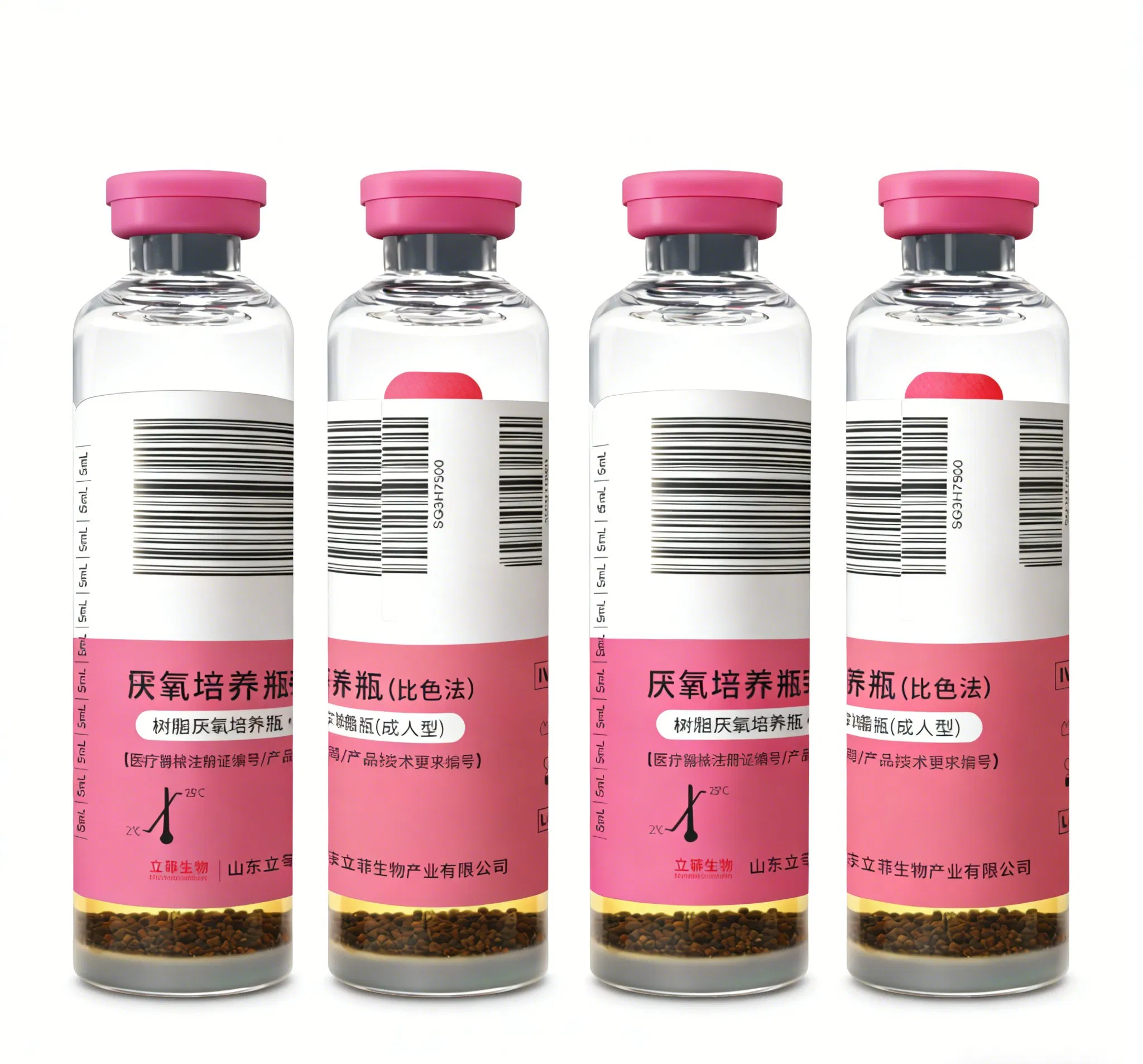
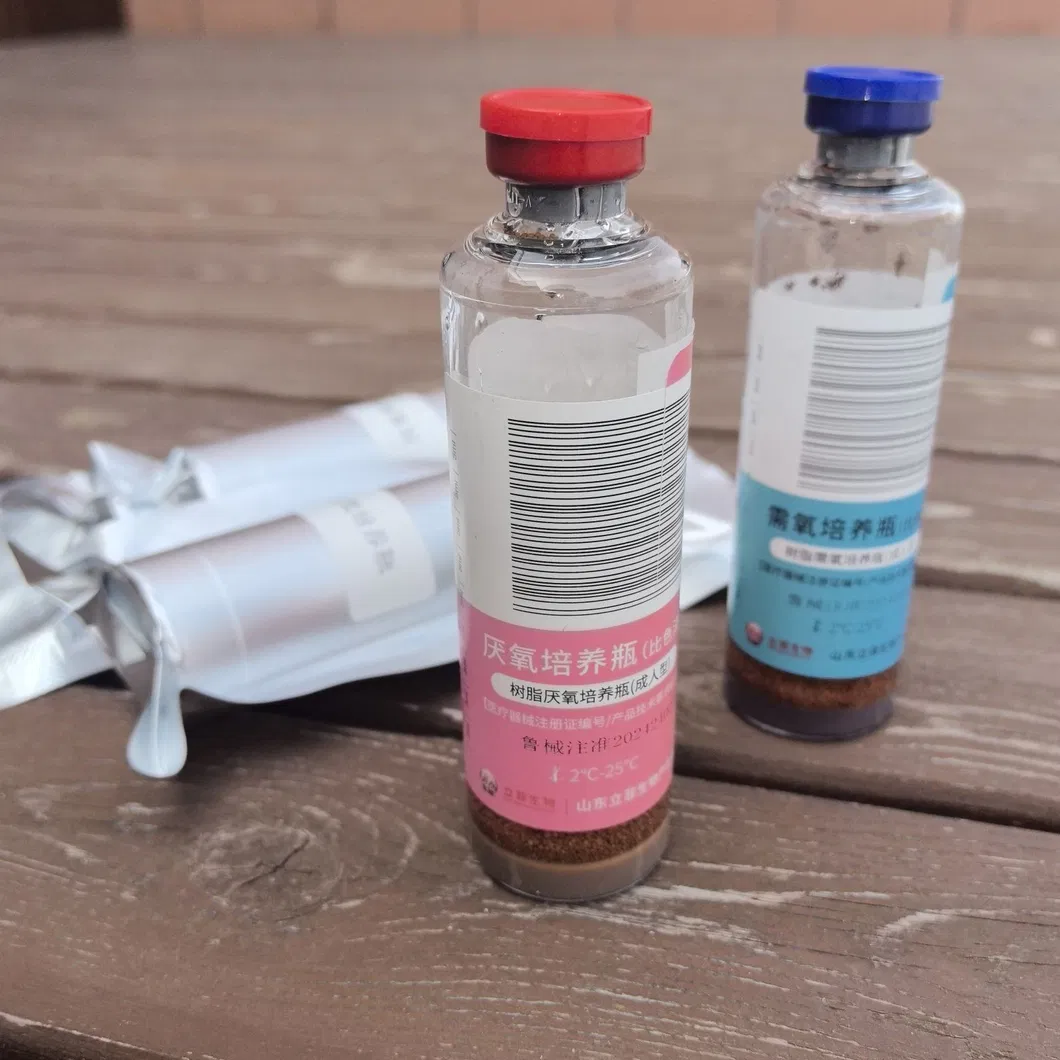
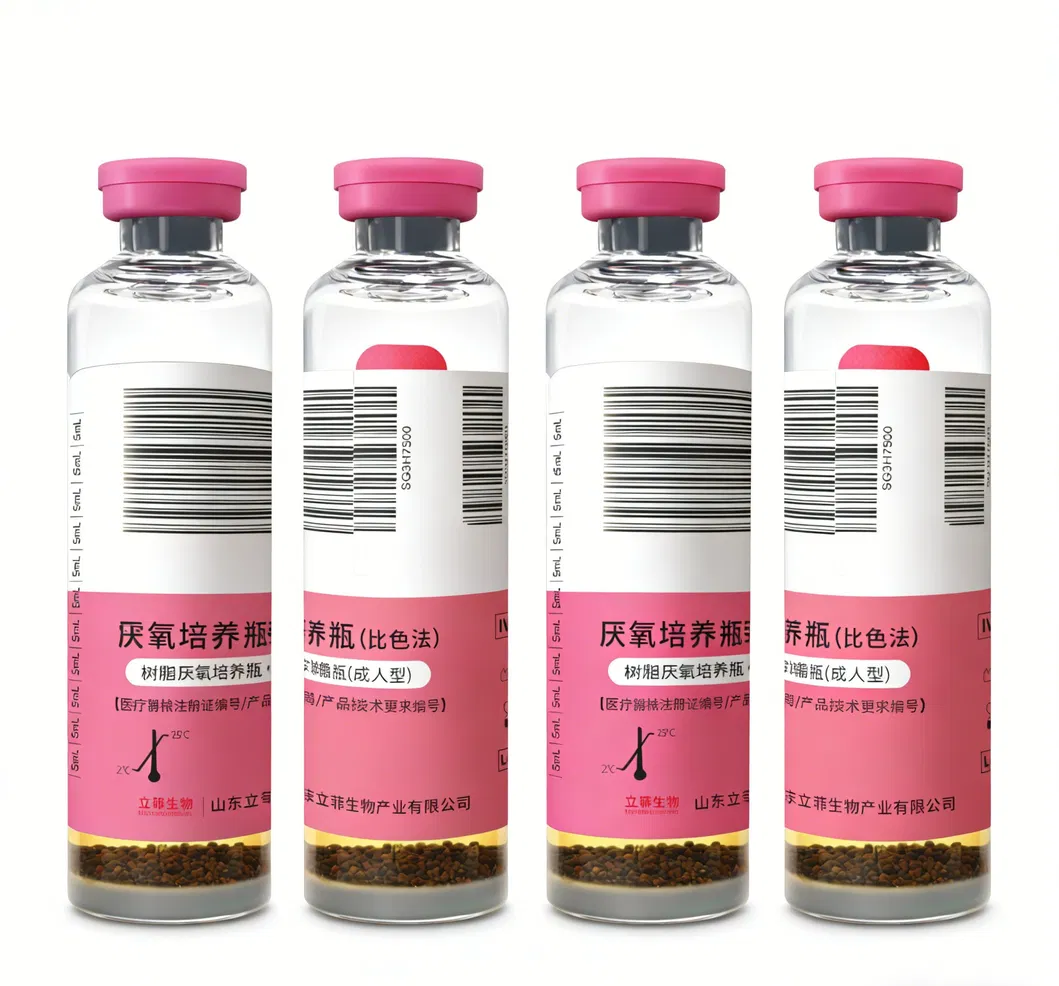
a) Standard Anaerobic Culture Bottle:
The biochemical receptor is mainly composed of liquid silicone rubber and xylenol blue; the liquid culture medium includes peptone (5g/L), beef extract powder (3g/L), hemin (0.005g/L), yeast extract powder (3g/L), and sodium polythiocyanate (0.15g/L). The gas in the culture bottle is sterile air (oxygen content ~21%, nitrogen content ~78%).
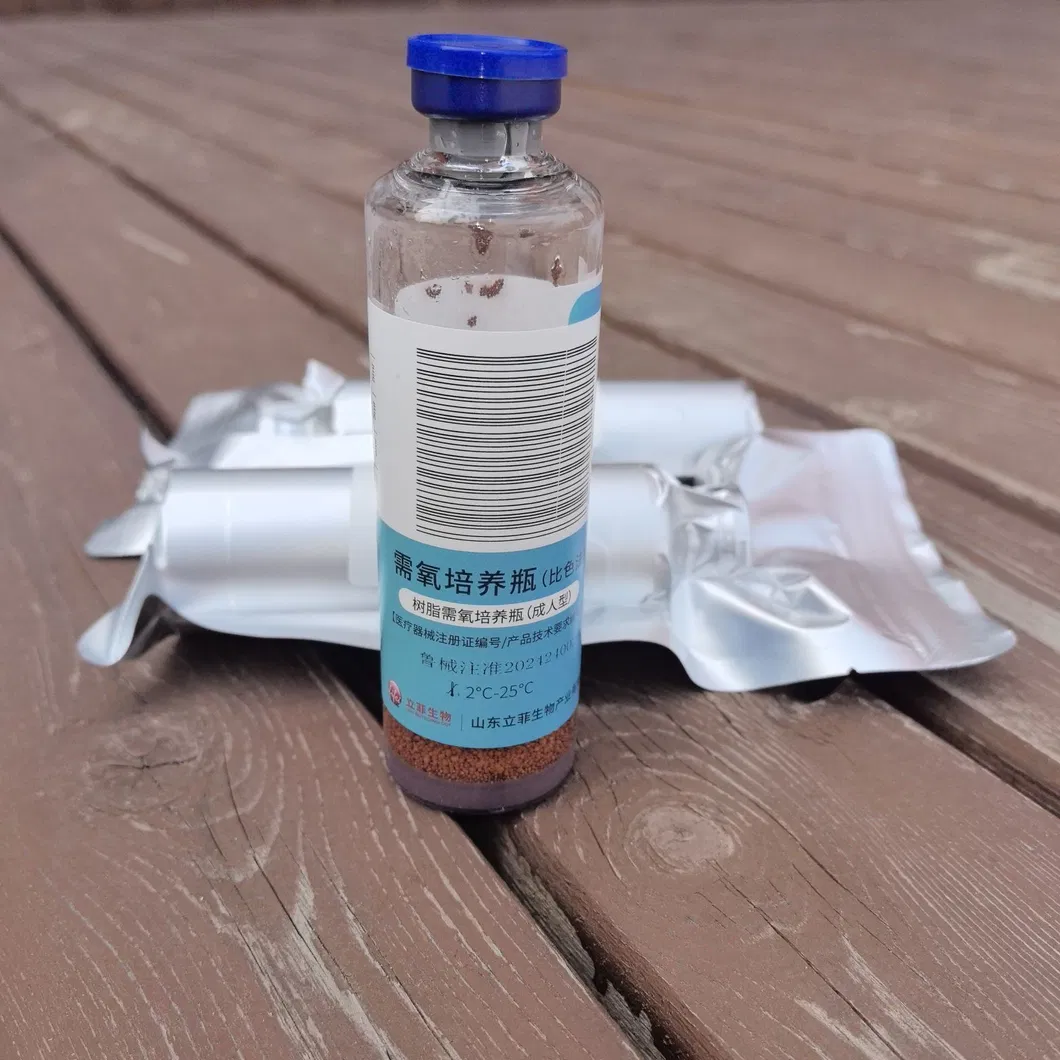
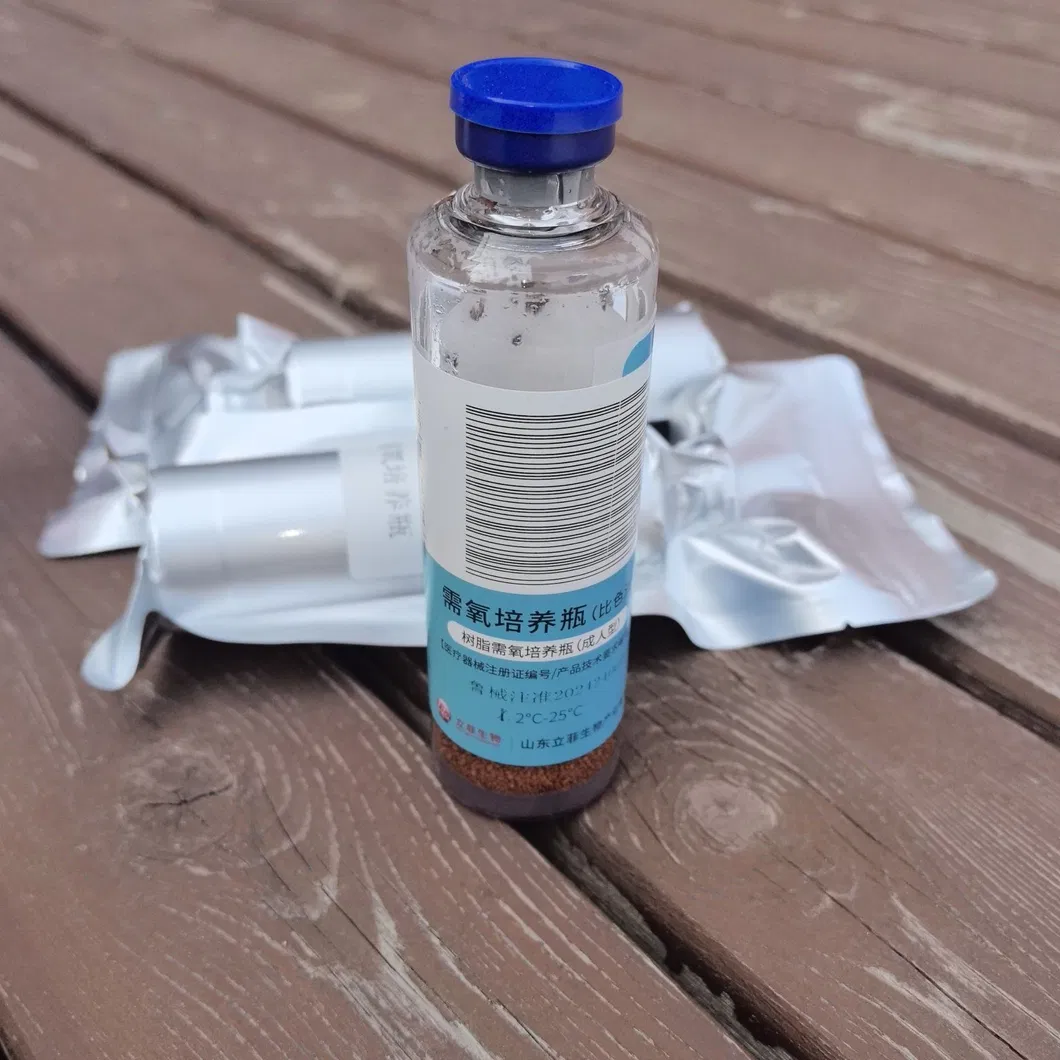
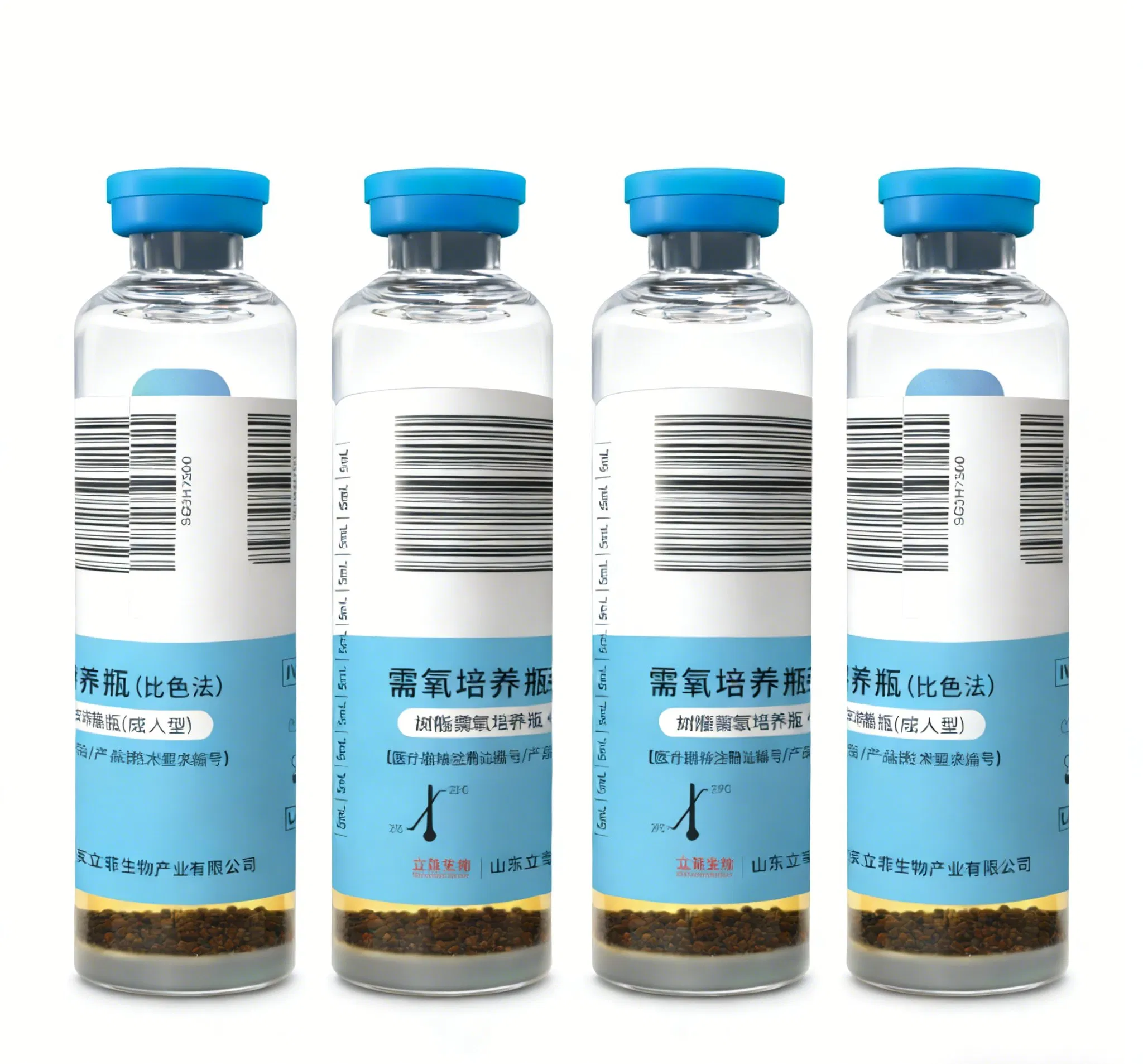
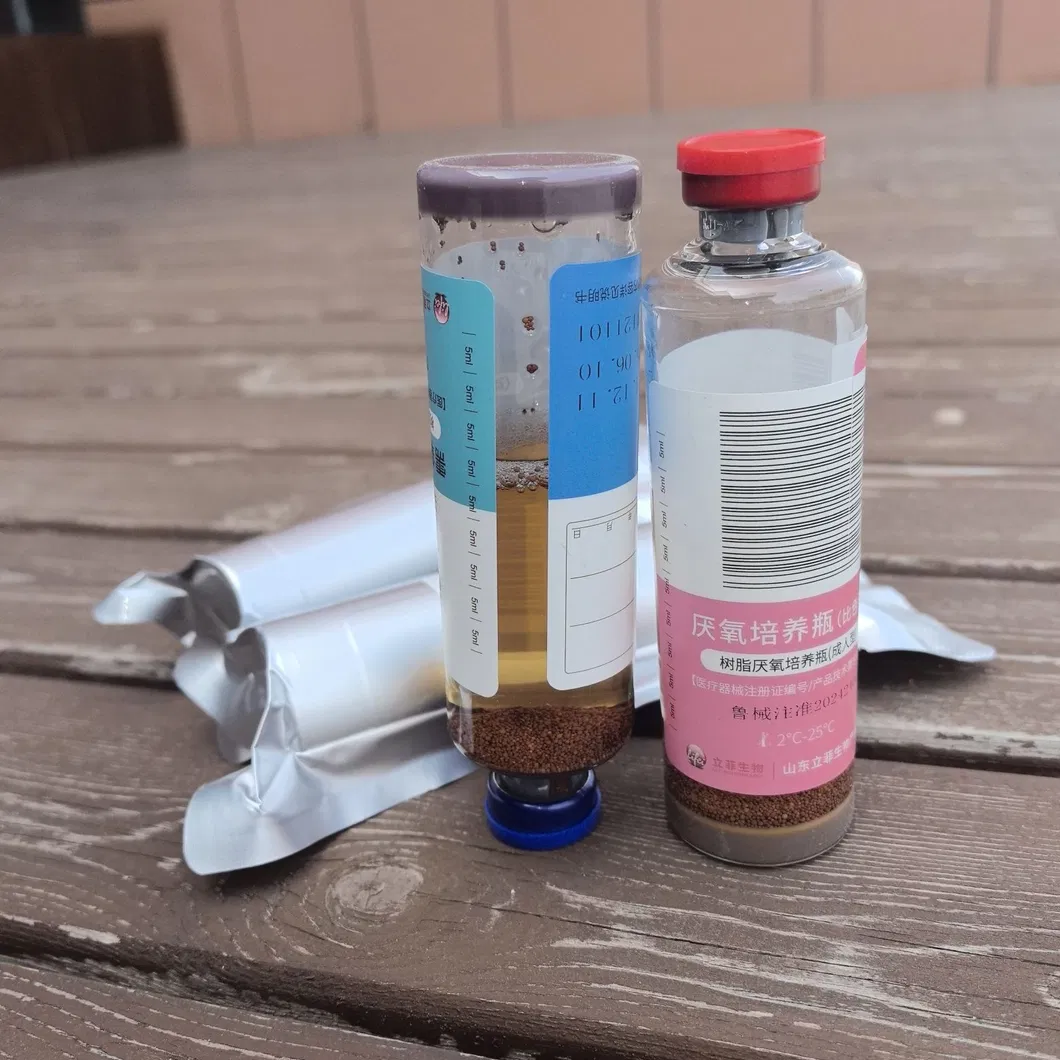
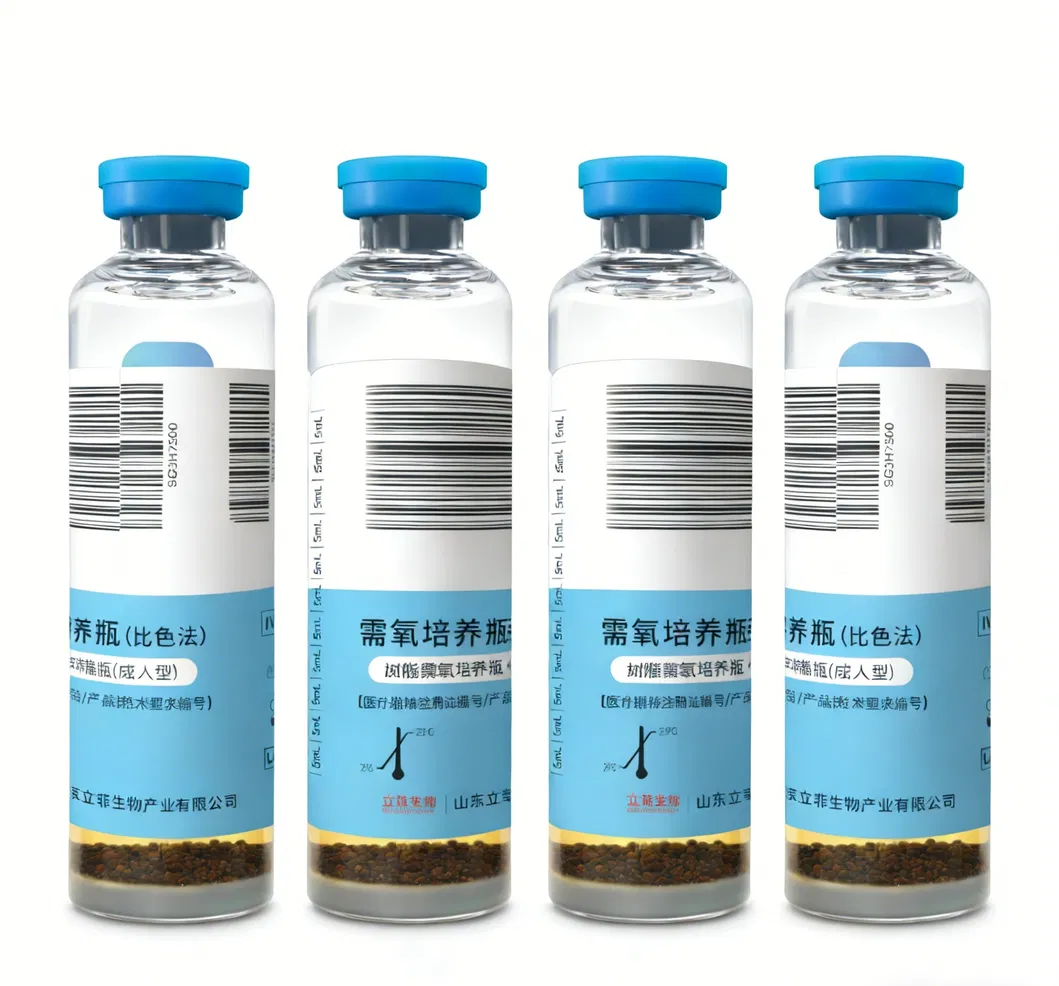
b) Resin Aerobic Culture Bottle:
Features liquid silicone rubber and xylenol blue; the medium consists of peptone (5g/L), beef extract powder (3g/L), hemin (0.005g/L), yeast extract powder (3g/L), sodium polyanethol sulfonate (0.15g/L), and macroporous adsorption resin (3.5g/bottle). The gas content is approximately 21% oxygen and 78% nitrogen.
| 1. Not suitable for the cultivation of anaerobic bacteria and mycobacteria. |
| 2. Missed detection possible if microbial inhibitors are present in the sample. |
| 3. Rare fastidious microorganisms may require alternative culture methods. |
| 4. Pneumococcus is prone to autolysis; transfer immediately after positive report. |
| 5. Bacteria may grow without reporting positive if CO2 production is insufficient. |
| 6. Antibiotics in samples may occasionally hinder positive reporting; subculture is recommended. |
| 7. Low sample volume may prevent growth of sensitive strains like Haemophilus influenzae. |
General Description:
These culture bottles provide reproduction for bacteria with balanced nutrition factors including peptone, yeast, and vitamins. Bacterial growth generates CO2, which is detected by the specialized sensor at the bottom.
✅ Key Features
📦 Main Components
PE bottle with butyl rubber sealing cover. Features a CO2 sensor at the bottom. Liquid media contains: peptone, yeast, BHI, Vitamin B6, SPS, and ion adsorbing resin.
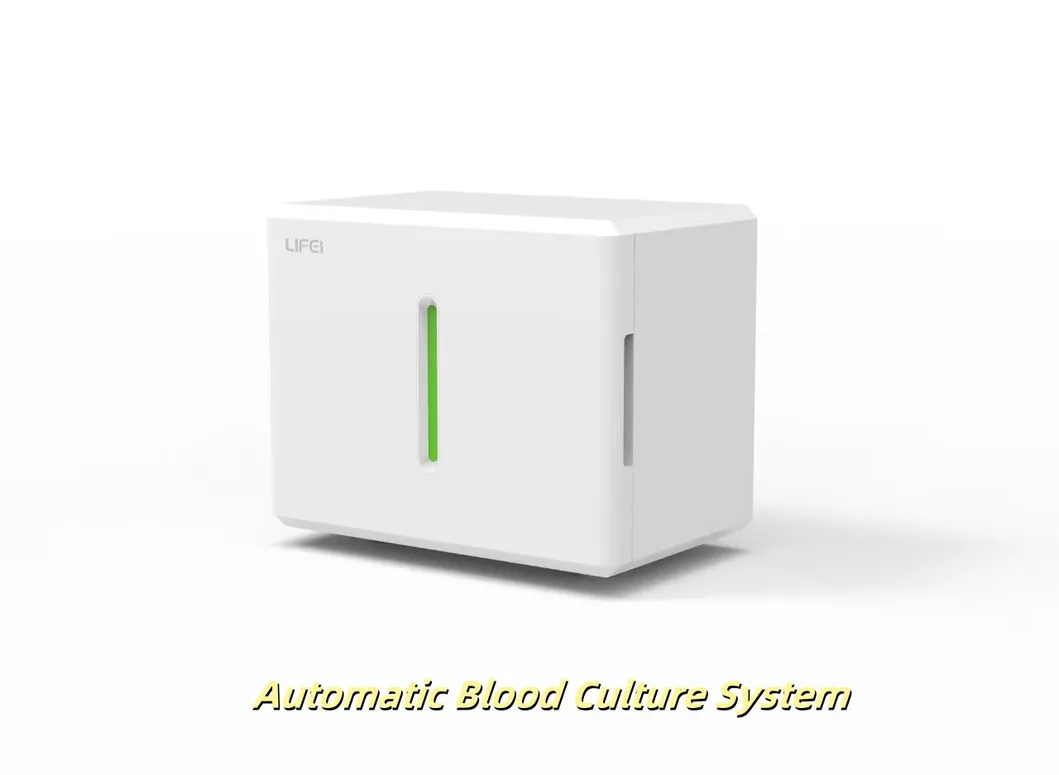
Applications
- Clinical microbiology laboratories for pathogens in blood and sterile body fluids.
- Meets sterility testing standards.
- Used for rapid and accurate microbial detection.
Working Principle
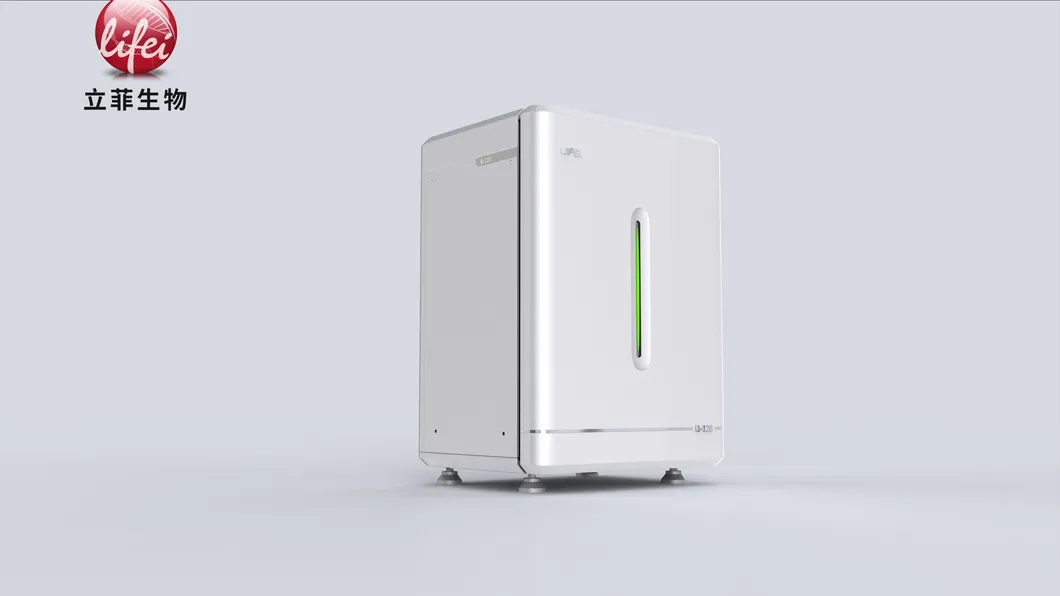
- High-precision photoelectric monitoring using non-invasive optical detection.
- Real-time regression analysis calculates growth rate and intensity changes.
- Continuous cultivation monitoring with automatic alerts.
Why choose our products?