Product Description
Introduction
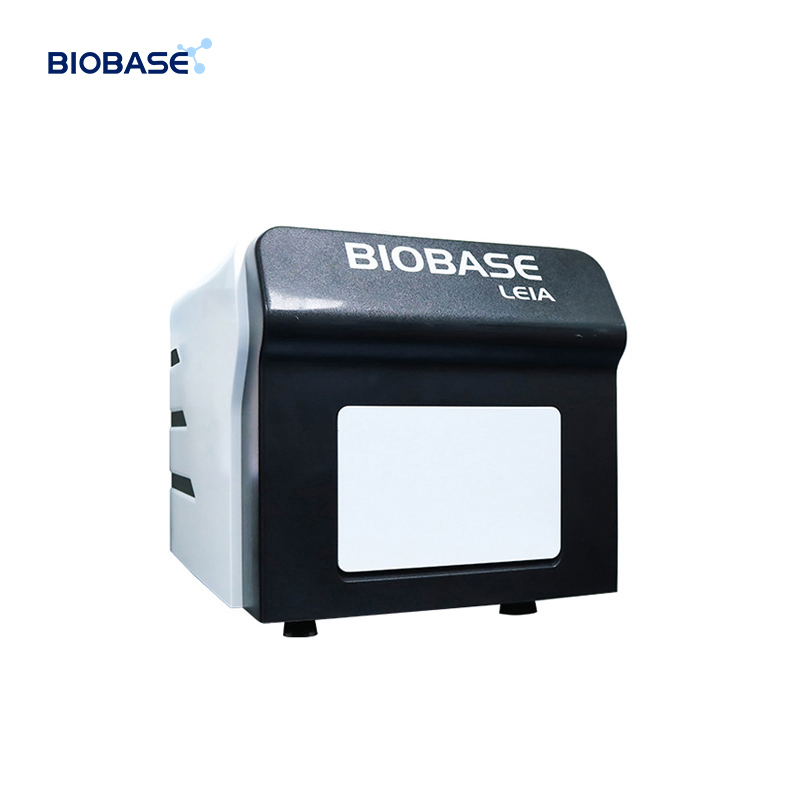
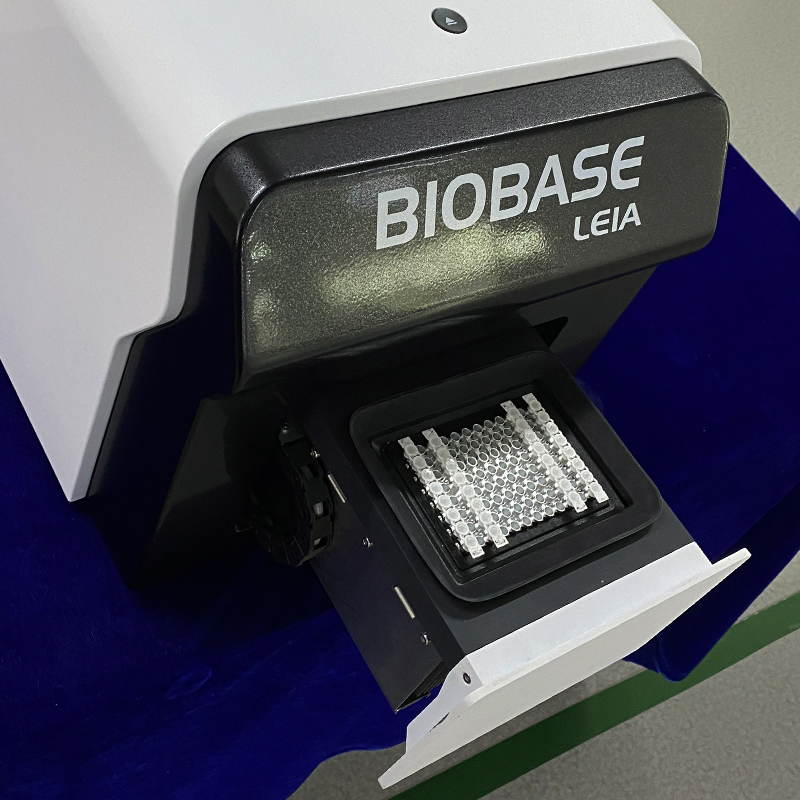
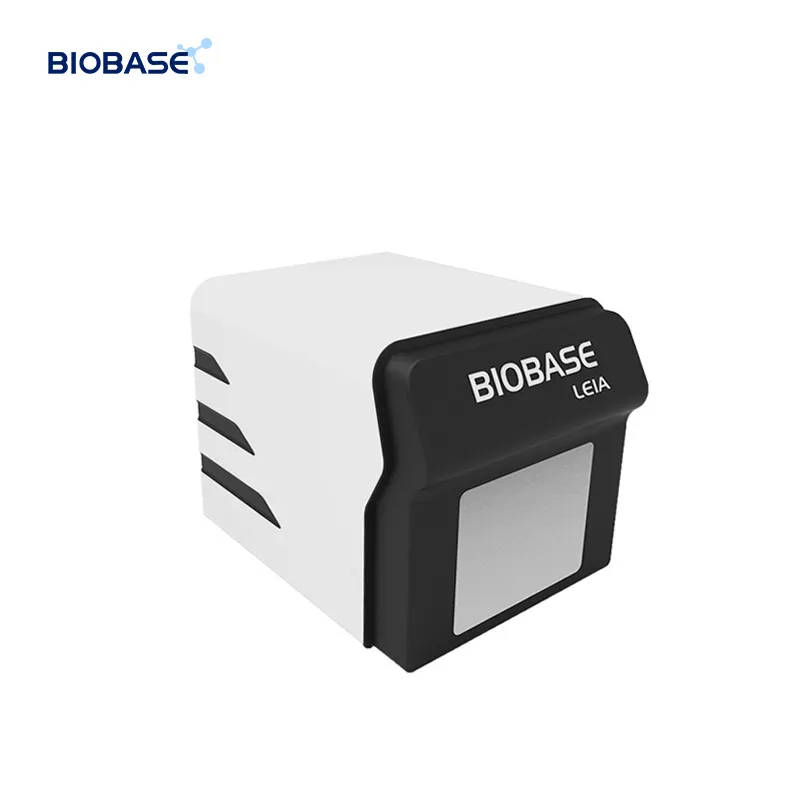
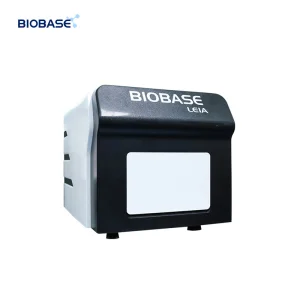
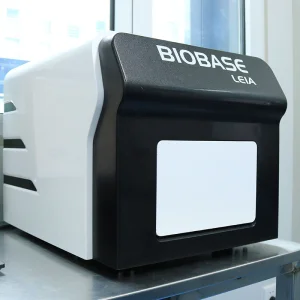
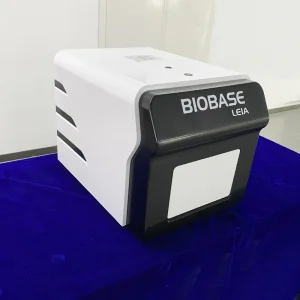
Real-time PCR is used for sensitive, specific detection and quantification of nucleic acid targets. Powerful assay design algorithms, optimized qPCR reagents, and flexible instrumentation help harness the power of qPCR across a rich and diverse set of applications.
Application
It can be widely used for Infectious disease research, Food pathogen detection, Waterborne pathogen detection, Pharmaceutical analytics, Stem cell research, Pharmacogenomics research, Oncology and genetic disease research, Plant sciences and agricultural biotechnology.
Working Principle
The temperature step change is controlled by the semiconductor peltier to realize PCR amplification. Use high-sensitivity MPPC unit to detect fluorescence; Program control channel switching, non-contact excitation/detection on the top structure, coordinated with motor control X and Y axis movement to achieve 96-hole scanning.
Frequently Asked Questions
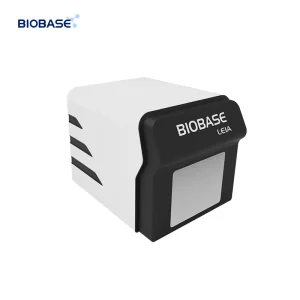
What is the sample capacity of the LEIA-X4 system?
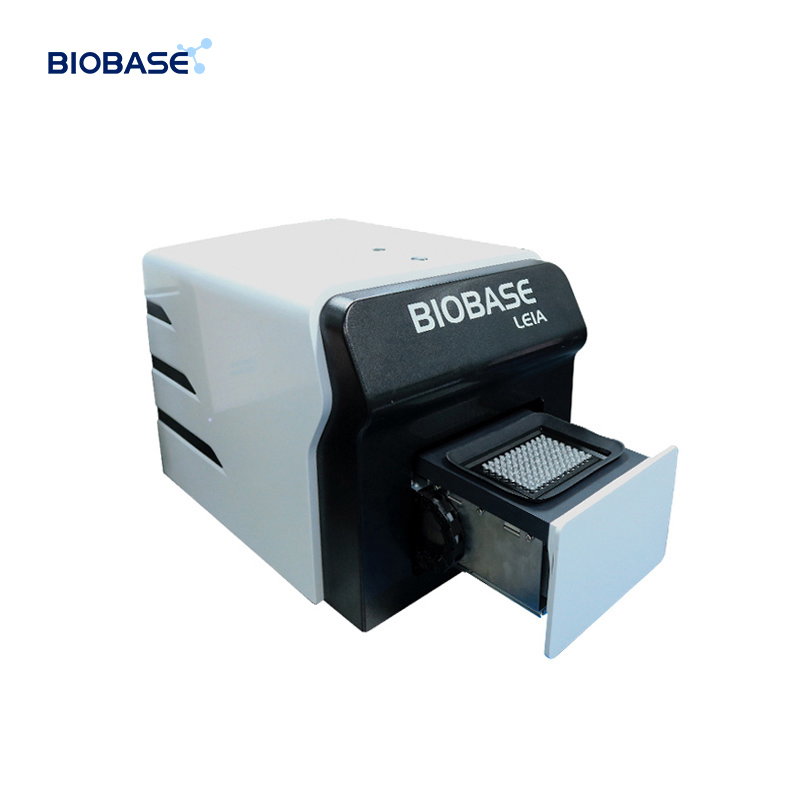
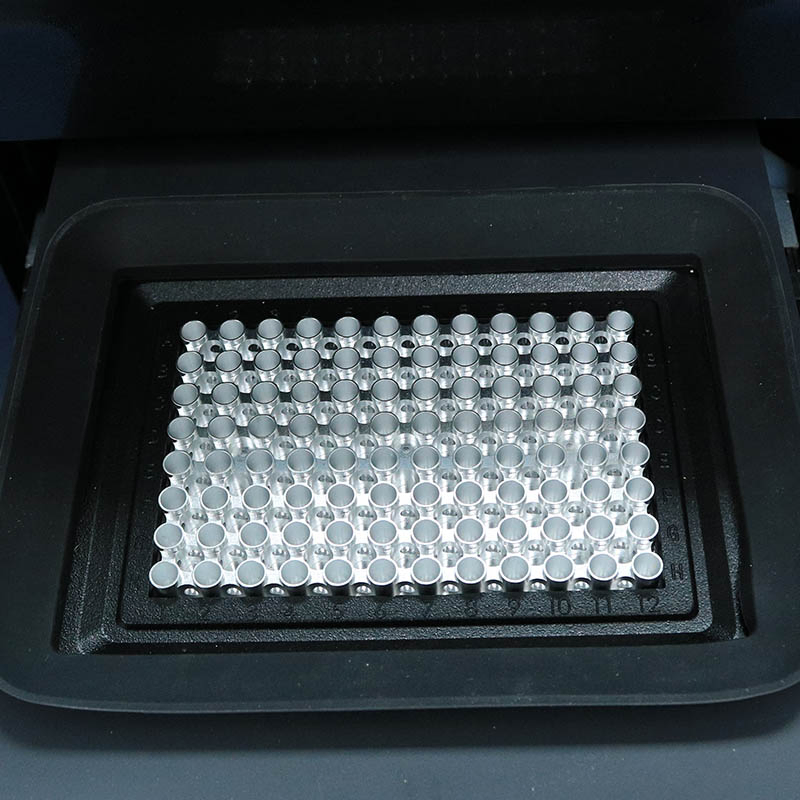
It supports a 96x0.1ml PCR plate, 12x8-strip tubes, and 96*0.1ml single tubes with transparent covers.
How many fluorescence detection channels are available?
The system features 4 channels (F1 to F4), suitable for dyes such as FAM, SYBR GREEN, VIC, JOE, HEX, ROX, TEXAS-RED, and Cy5.
What is the scanning speed for a full 96-well plate?
The full plate scanning mode is highly efficient, completing the process in just 8.5 seconds.
What detection technology is used for fluorescence?
The system uses a high-sensitivity MPPC (Multi-Pixel Photon Counter) unit for precise fluorescence detection.
What are the primary applications for this PCR system?
It is widely used in infectious disease research, food and waterborne pathogen detection, oncology, genetic research, and agricultural biotechnology.
What is the temperature control performance?
The system offers a maximum ramp rate of 5.0ºC/s with a temperature accuracy and uniformity of ±0.3ºC.
 BioX Medical