BioX Medical
1 / 5
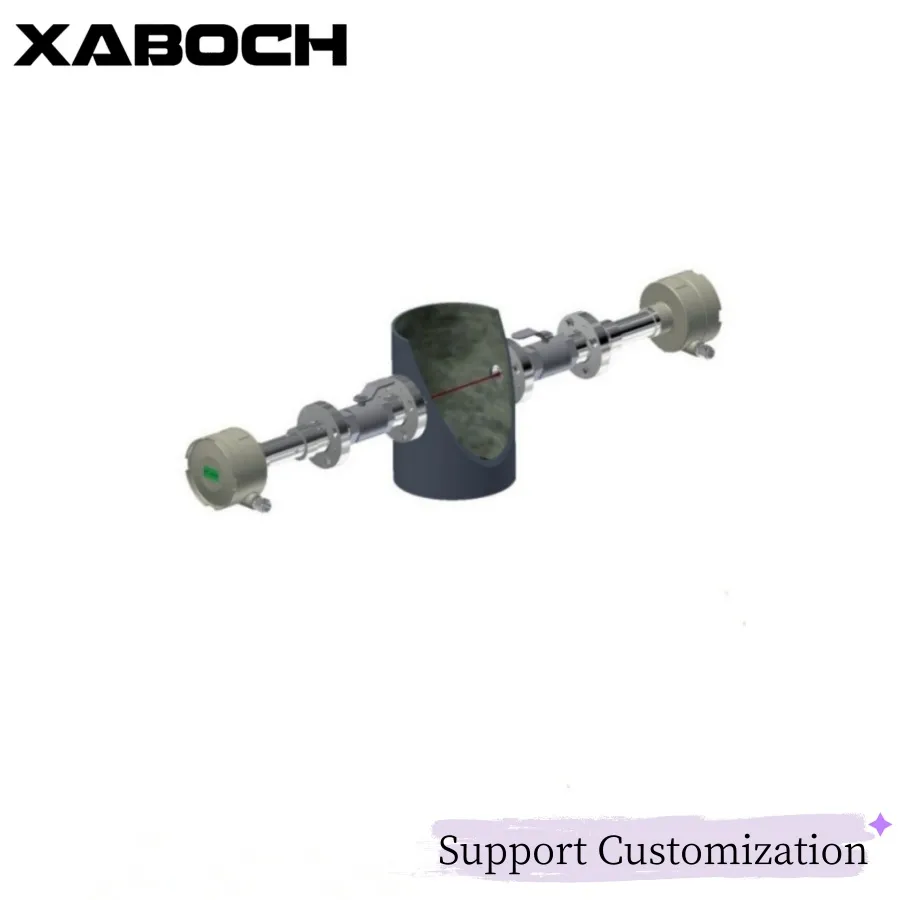
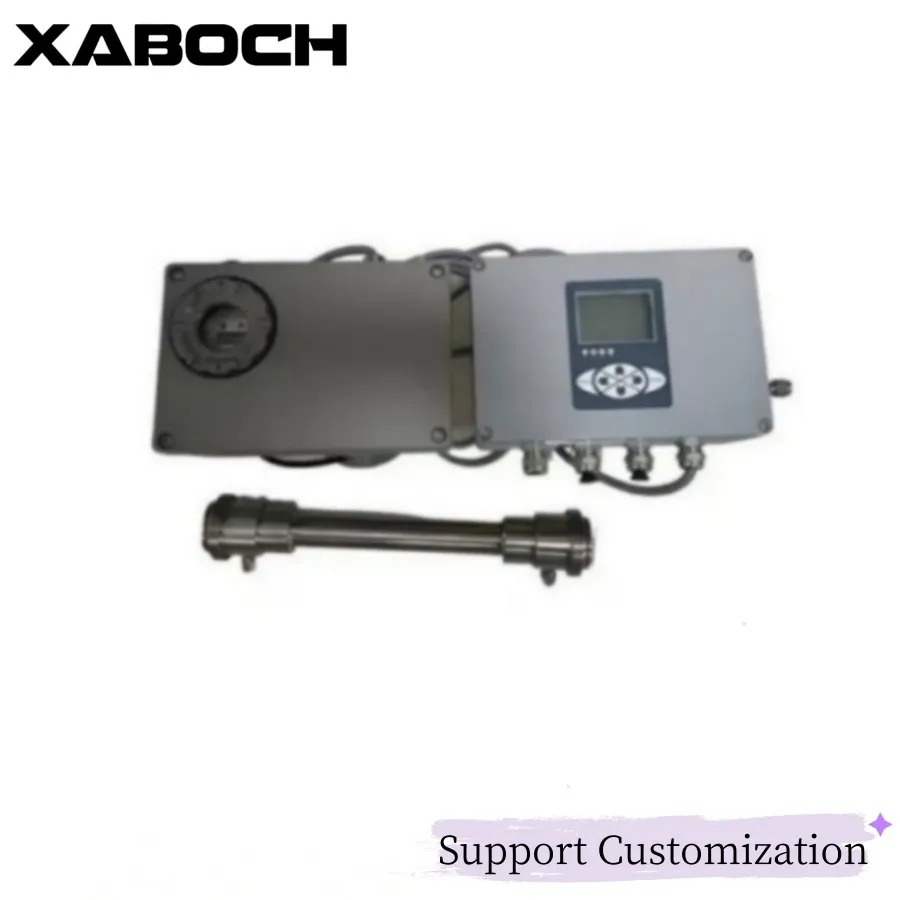
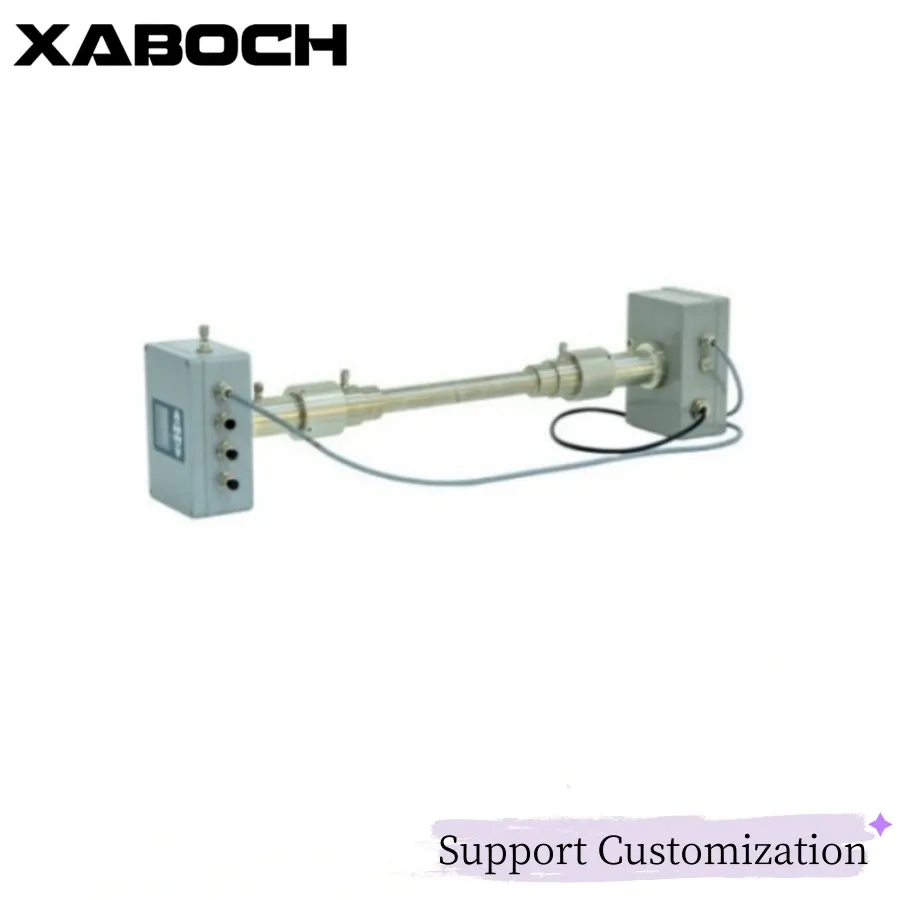
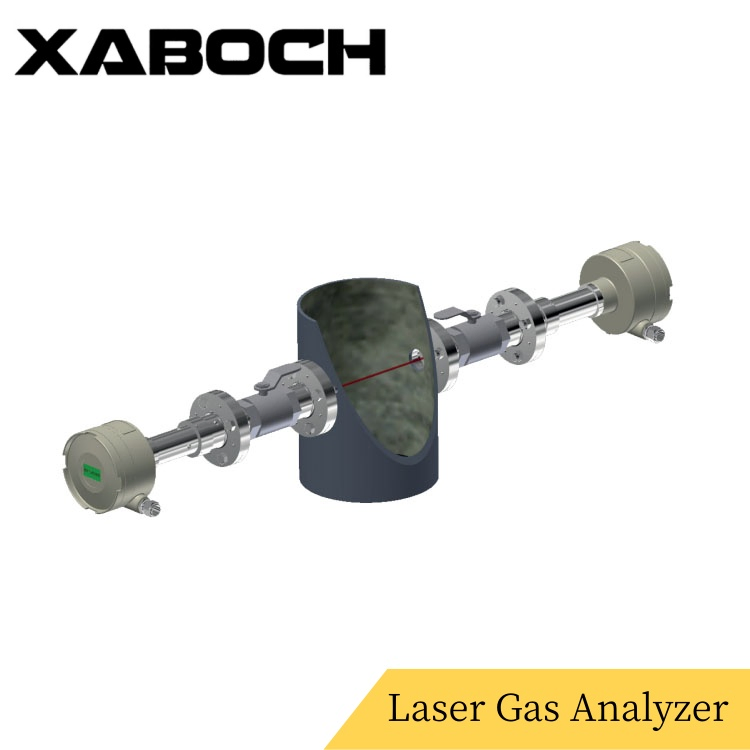
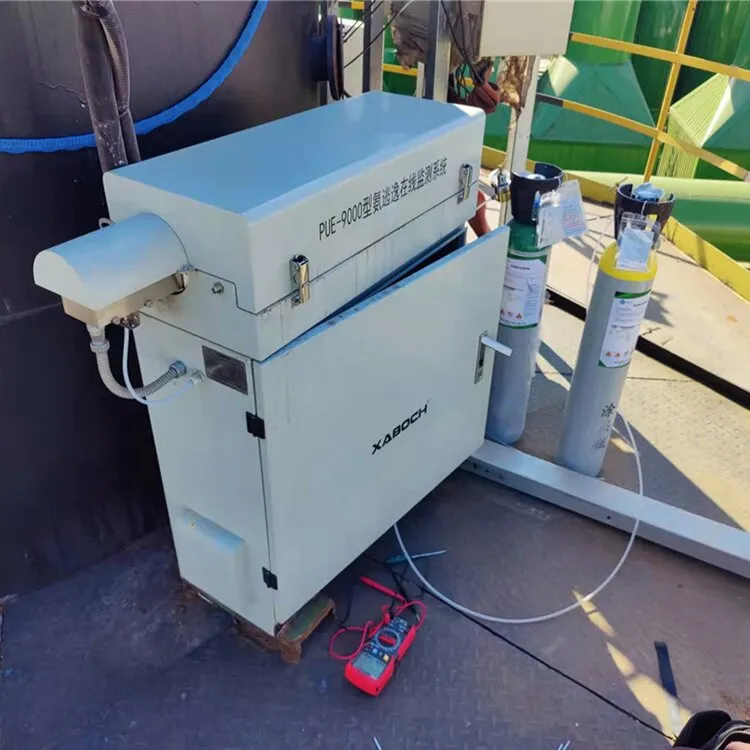
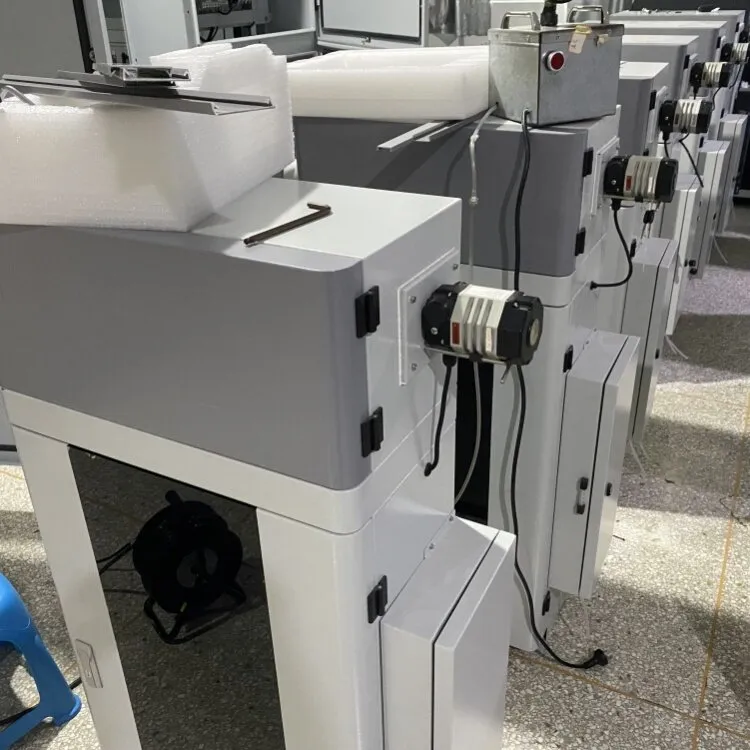
The Extractive Laser Analyzer, specifically designed for detecting Ammonia Slip, stands as a pinnacle of online gas analysis technologies. Utilizing the sophisticated Tunable Diode Laser Absorption Spectroscopy (TDLAS) method, this system excels with its extractive sampling approach. It features full-process, high-temperature trace heating, efficiently transporting the target gas from the flue to the high-precision laser analyzer unit, strategically located for optimal measurement conditions. This meticulous process ensures a highly accurate determination of true ammonia concentration.
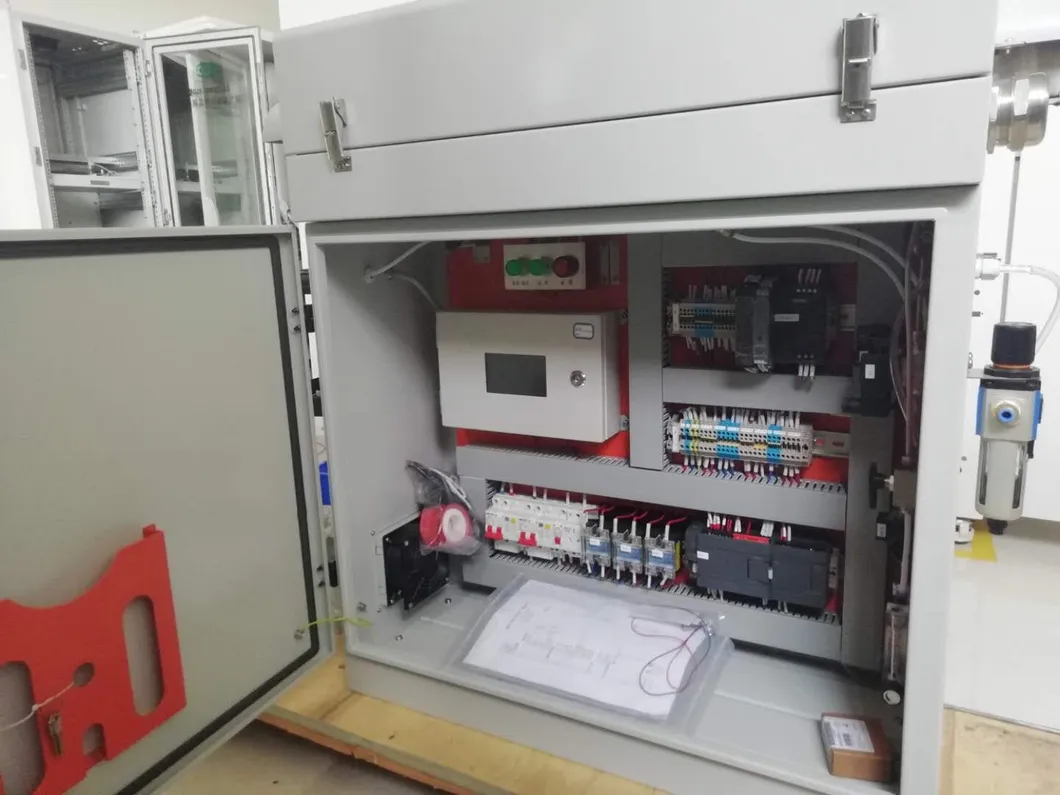
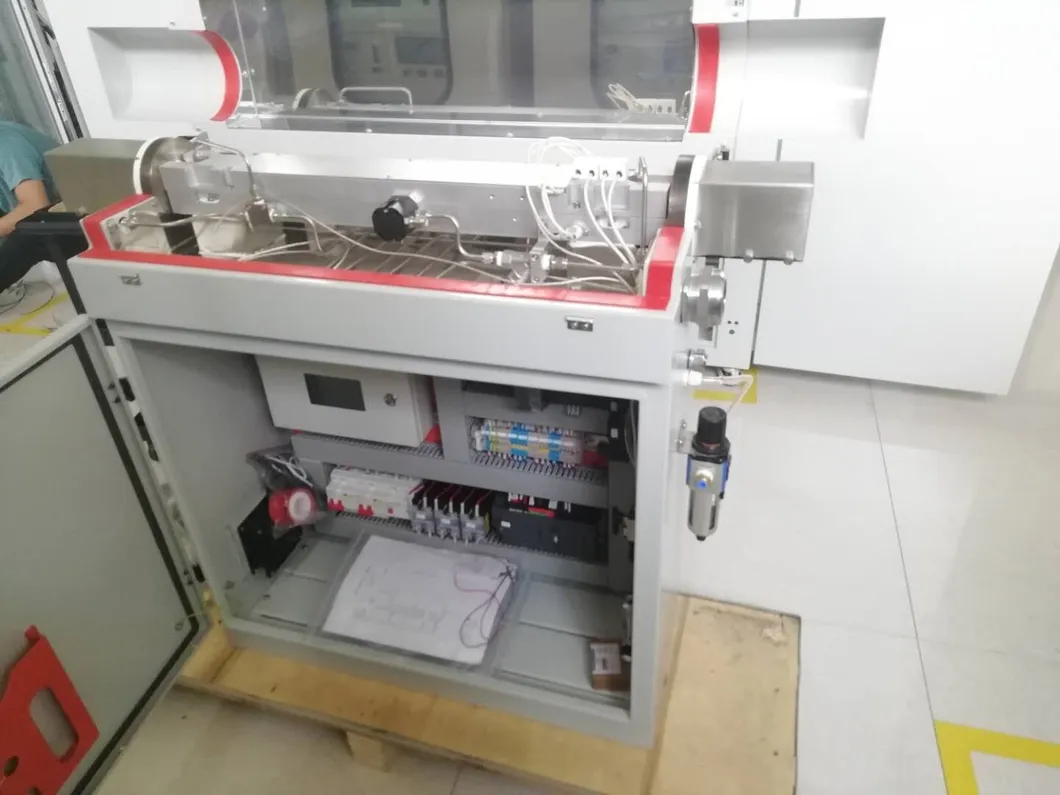
The process begins with a heated sampling probe, expertly inserted into the flue, which serves to conduct an initial filtration of the flue gas at elevated temperatures. The sample gas then swiftly travels through a continuously trace-heated sampling line.
The sample undergoes high-temperature filtration, effectively eliminating fine dust particles to create a clean sample gas. This phase is characterized by its meticulous maintenance of full-process trace heating, ensuring sample integrity.
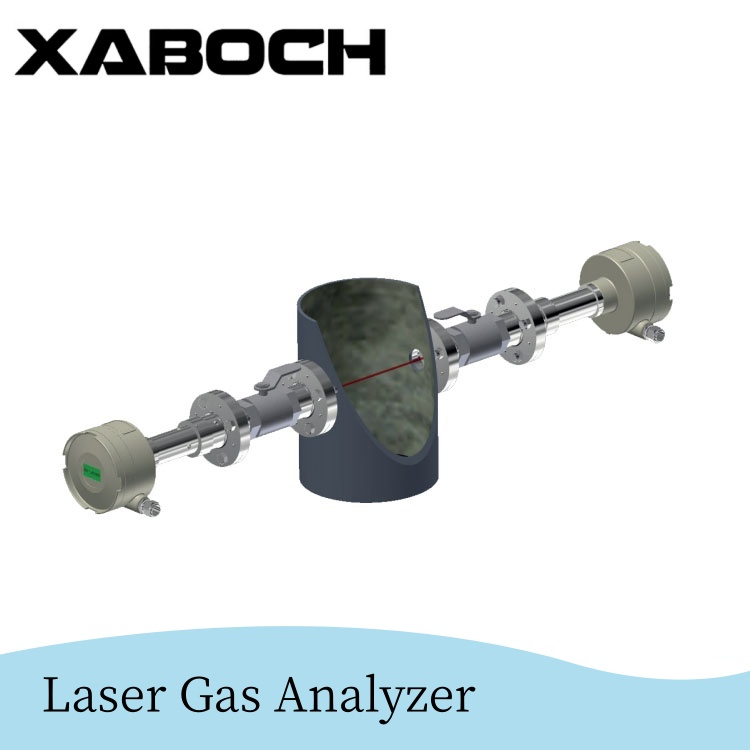
The pristine, high-temperature sample gas enters a multiple-reflection gas absorption cell. By emitting a laser beam at a specific wavelength, the analyzer captures the unique absorption profile of ammonia molecules using the Lambert-Beer law.
Real-time concentration values are outputted through 4-20mA analog signals or digital communication. This facilitates control, recording, and alarm activation, with automatic blowback for probe cleaning.
| Measurement Components | Carbon Monoxide, Oxygen, Methane, Water, Ammonia, Hydrogen Chloride, Hydrogen Fluoride, Hydrogen Sulfide, etc. |
| Measurement Range | 0-1000ppm; 0-10%; 0-100% |
| Lower Detection Limit | 20 ppm (for CO gas, 1m optical path length) |
| Response Time | ≤15s |
| Maintenance Interval | < 2 times per year, clean the optical viewport (no consumables required). |
| Calibration Interval | < 2 times per year |
| Explosion-proof Marking | ExdIICT6 |
| Analog Output | 2 channels 4-20mA (concentration), 1 channel 4-20mA (transmittance) |
| Digital Serial Port | 1 channel RS485 (optional) |
| Relay Output | 3 channels 24V/1A for alarm |
Standard Warranty: Enjoy the assurance of a 12-month warranty.
Global Support: Benefit from comprehensive technical support and a steady supply of spare parts.
Training Service: Gain expert knowledge through on-site or remote training sessions, tailored for seamless operation and maintenance.