BioX Medical
1 / 5
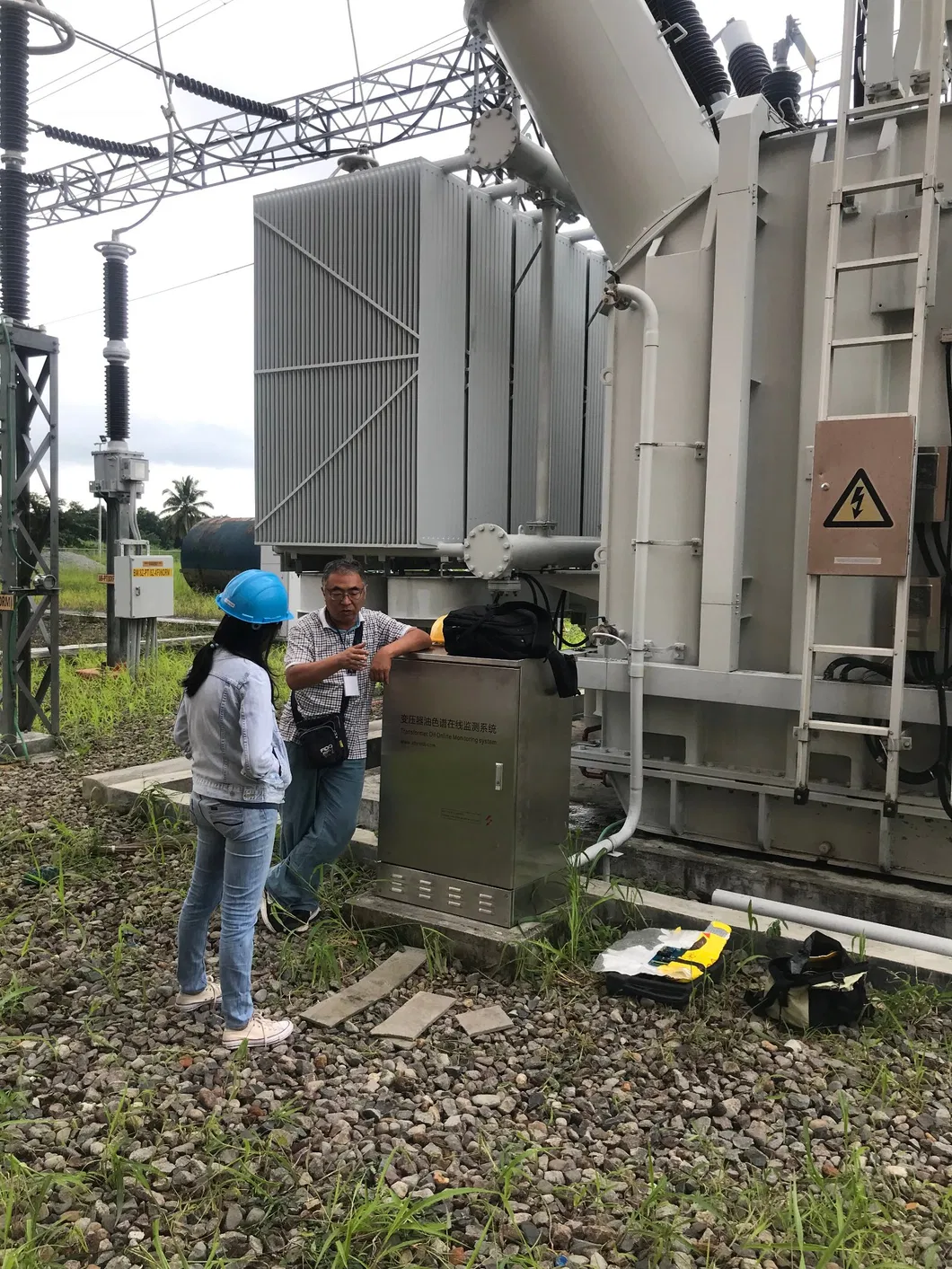
Transformer Oil on-Line Dissolved Gas Analysis (DGA) Monitoring System for power transformer substation
I. System overview
Exact understanding of the running status of the transformer is the key to maintain the safe operation of the power system. If local overheating or partial discharge is present in the transformer, the insulating oil or solid insulator in the trouble location will release small molecules hydrocarbon gases such as CH4, C2H6, C2H4, C2H2 and other gases such as H2, CO, CO2. Both of the concentration of every gas in insulating oil and the total concentration of inflammable gas in oil (TCG) can be used as indicators to diagnose the internal faults of the transformer.
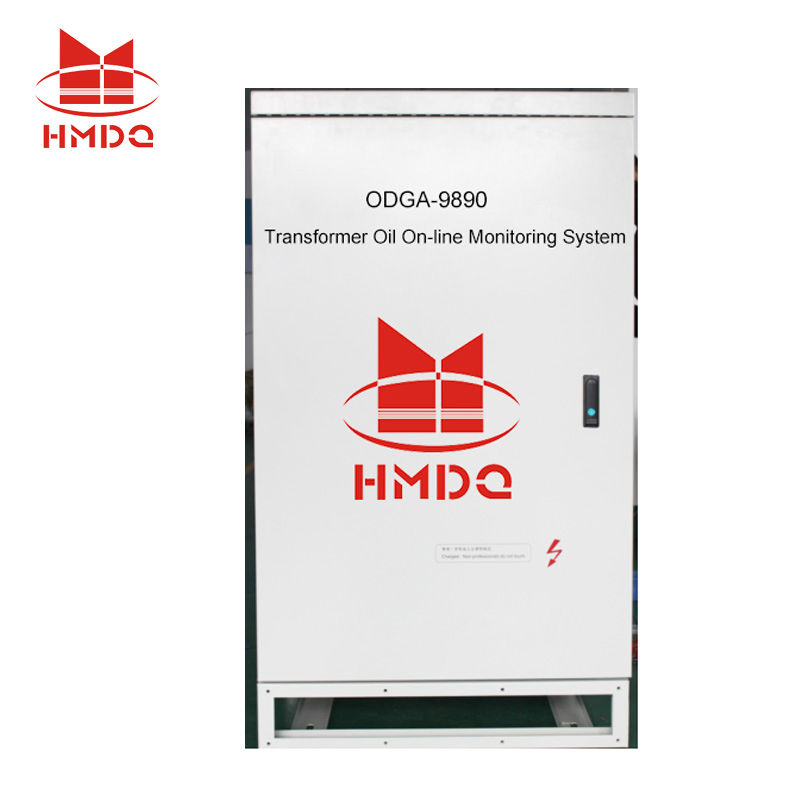
Transformer Oil On-line Monitoring System is a new transformer oil chromatogram on-line monitoring product. Our company researches and develops the product by taking International Electrotechnical Commission (IEC) Standard and National Standard of Transformer Oil Monitoring of China Electric Power Industry (GB) as test research and development basis strictly, introducing advanced detection technology and high-precision detection components.
The system adopts oil gas degassing technology that combines vacuum and ultrasound, uses high efficiency compound chromatographic column and high-precision sensors to accurately analyze seven gases including hydrogen (H2), carbon monoxide (CO), methane (CH4), ethane (C2H6), ethylene (C2H4), acetylene (C2H2) and carbon dioxide (CO2).
II. System constitution:
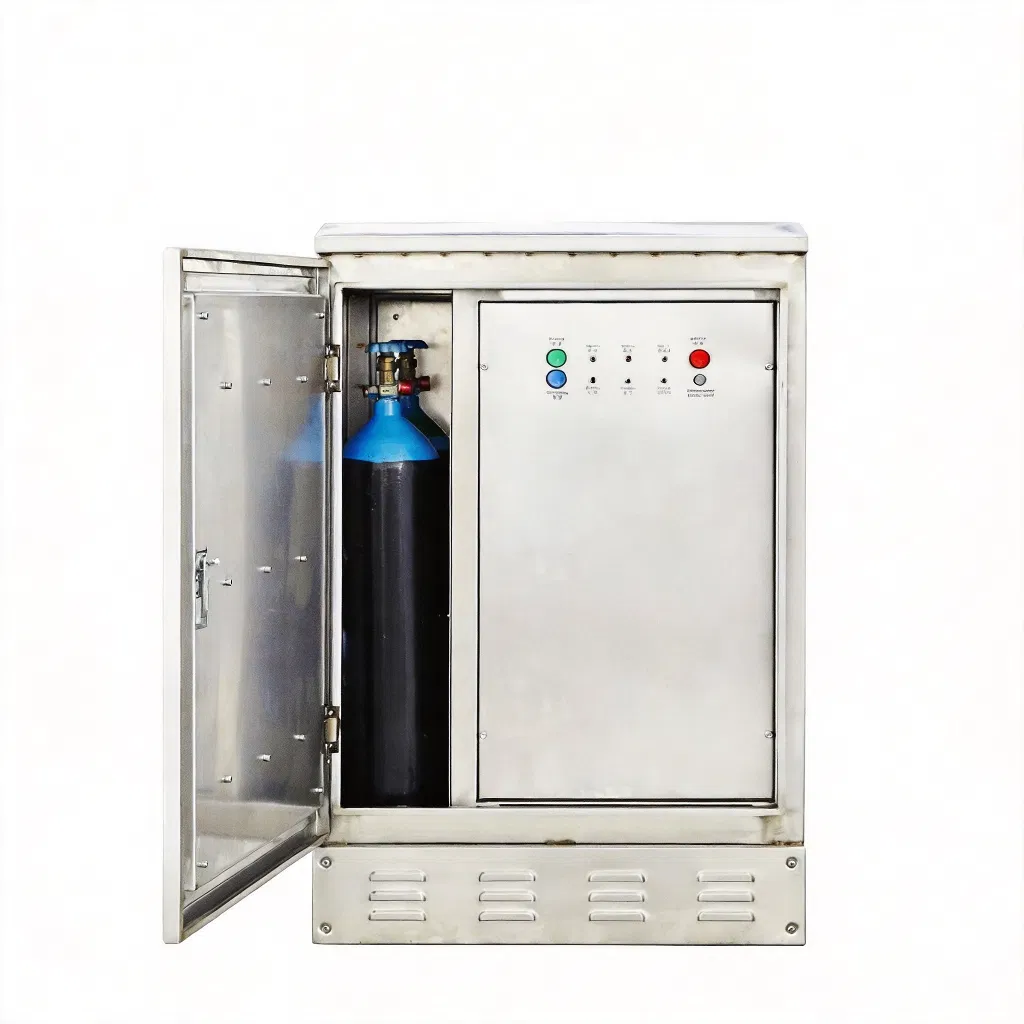
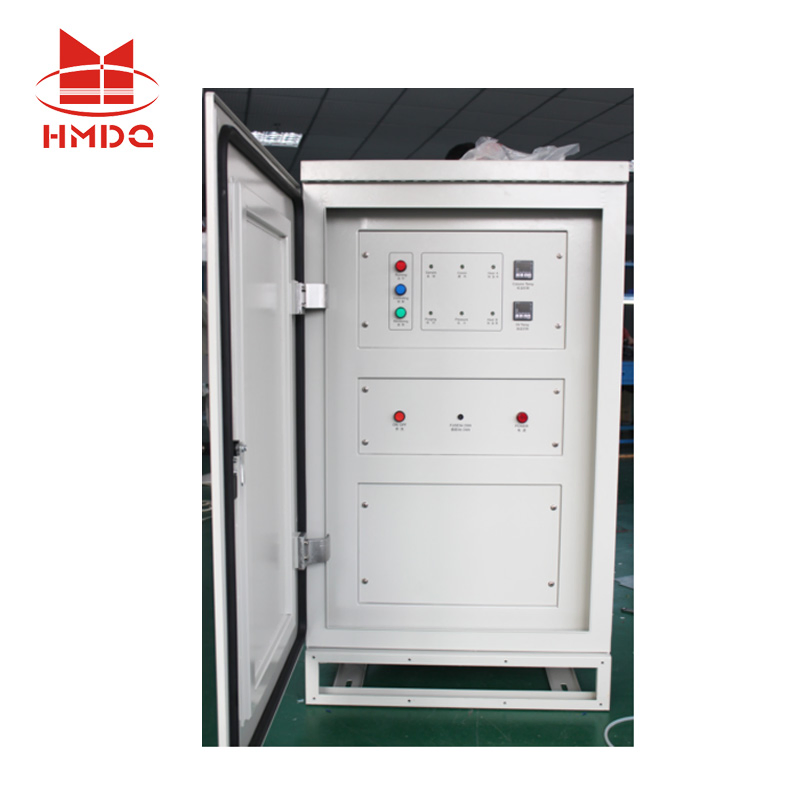
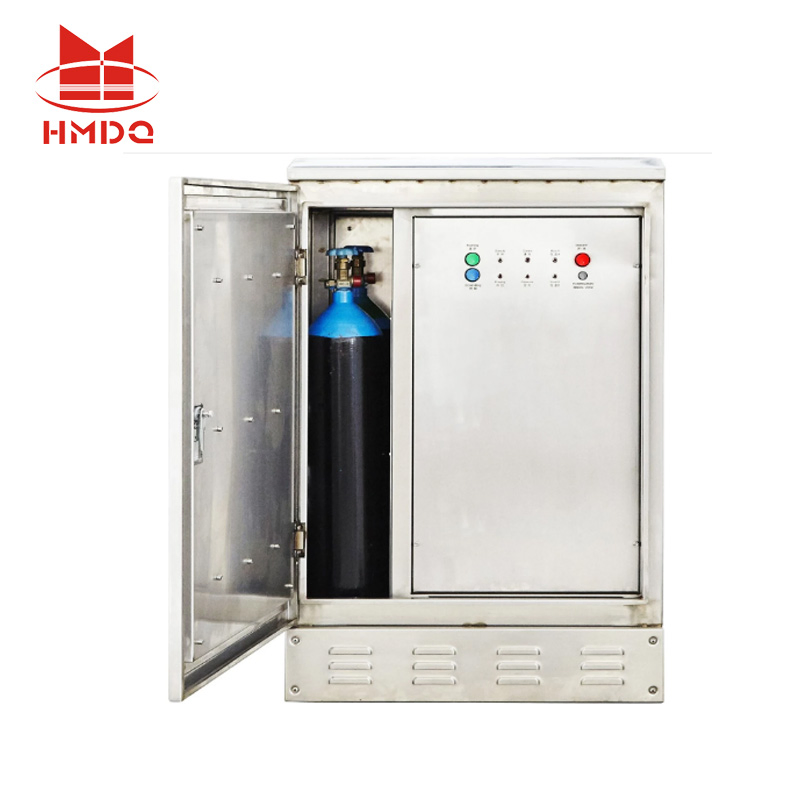
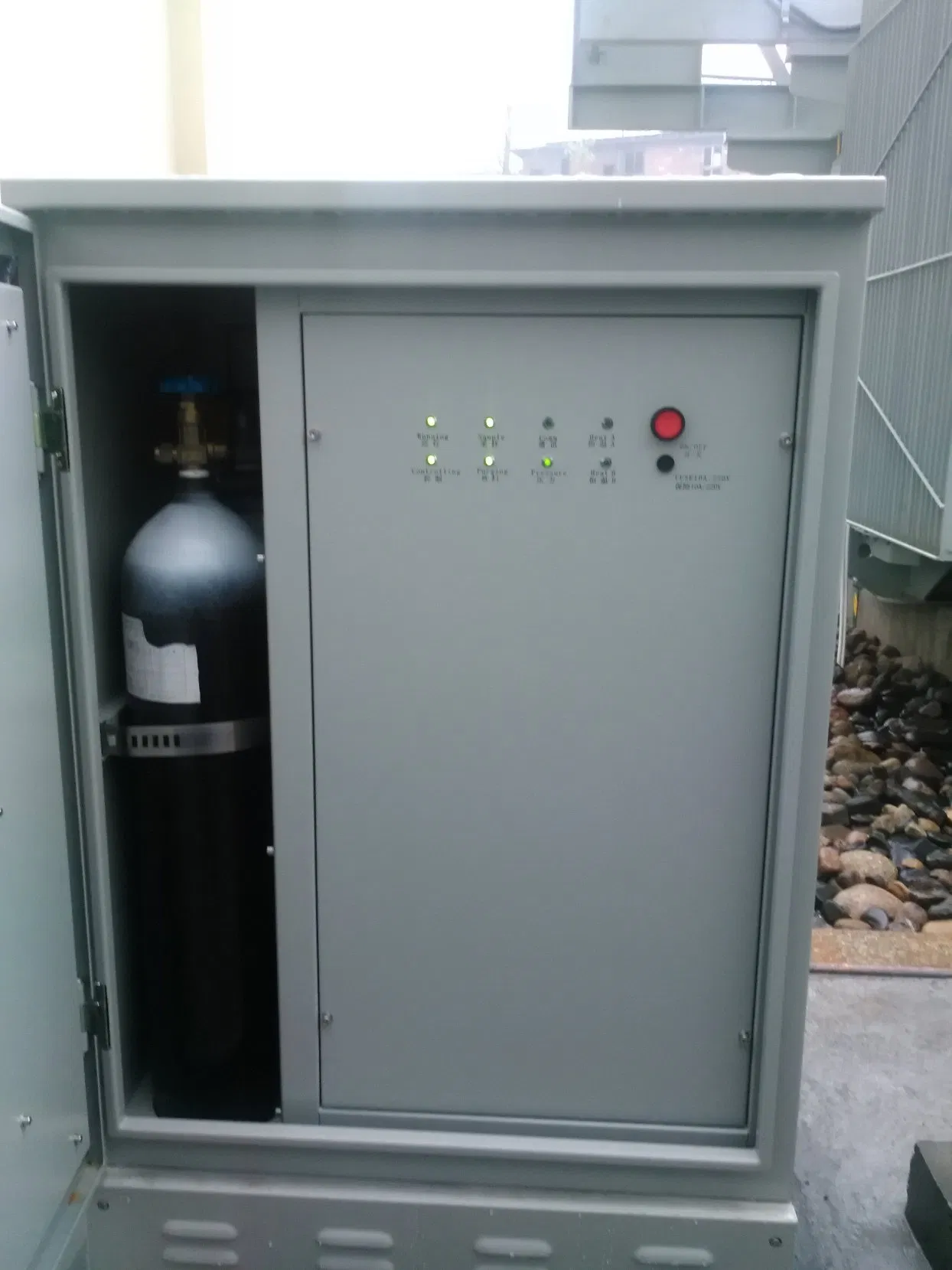
The system is mainly composed of oil-gas separator, cold trap, carrier gas regulation and control system, air cleaning and drying system, temperature control system, fault-characteristics-gas-in-oil chromatography detection unit, fault diagnosis and data management software, communication network, and data remote control software.
| Item | Content |
|---|---|
| Detection principle | Detect H2, CO, CH4, C2H6, C2H2, C2H4 or CO2, O2, micro-water |
| Degassing method | Vacuum and ultrasound degassing |
| Separating method | Special single chromatographic column |
| Detection method | Special single gas sensor |
| Sampling methods | Digital automatic quantification sampling |
| Temperature control | Dual-loop thermostatic control |
| Data collection | Adjustable circuit design, automatic peak capturing |
| Communication mode | RS485, TCP/IP, GPRS |
| Network protocol | Support TCP/IP, remote monitoring and maintenance |
| Analytical cycle | Default 24h, minimum 2h, user adjustable |
| Data storage | 20 years |
| Environment temp | -40ºC ~ +85ºC |
| Relative humidity | 5-95% No condensation |
| Working power | AC 220V±10%, 50Hz |
| Carrier gas | 99.999% Nitrogen, pressure 0.12-0.25Mpa |
| Installation size | 800(L) × 550(W) × 1400(H) mm |