Explore our leading diagnostic systems engineered for precision molecular analysis, genetics, and automated sample preparation.
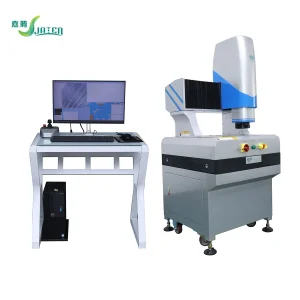
As a global leader in molecular diagnostics, genetic testing infrastructure, and bioinformatics development, Shenzhen BioX Medical Co., Ltd. has established a formidable presence in the medical engineering industry since its founding in 2017. Operating out of Shenzhen, the biotech capital of China, BioX Medical merges advanced local manufacturing pipelines with global scientific breakthroughs to bring high-throughput, integrated biological analysis systems to the global stage.
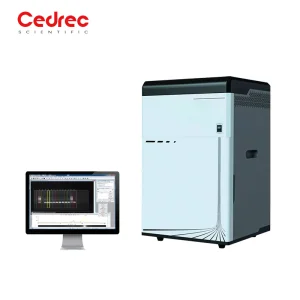
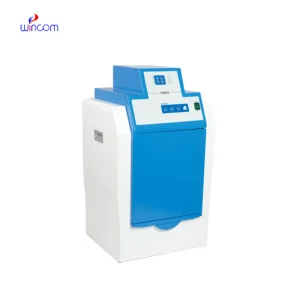
Our infrastructure is purpose-built to eliminate workflow bottlenecks inside contemporary laboratories. With an extensive product portfolio spanning automated sample processors, real-time PCR analyzers, dry chemistry platforms, and UV gel imaging systems, we bridge the physical-digital divide by equipping clinics and research institutes with rugged hardware backed by advanced data parsing technologies.
Our dedicated team of multi-disciplinary engineers, bioinformatics researchers, and quality controllers ensure that every system leaving our factory is optimized for analytical sensitivity, user safety, and computational efficiency.
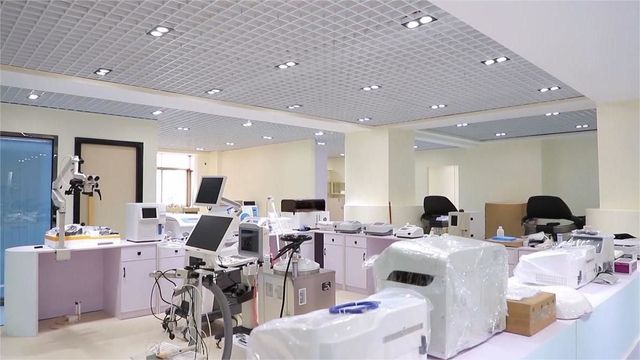

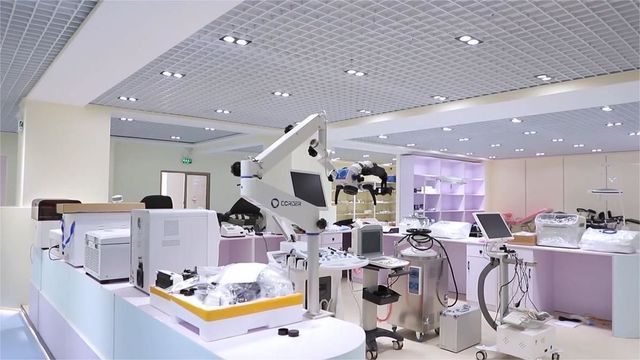
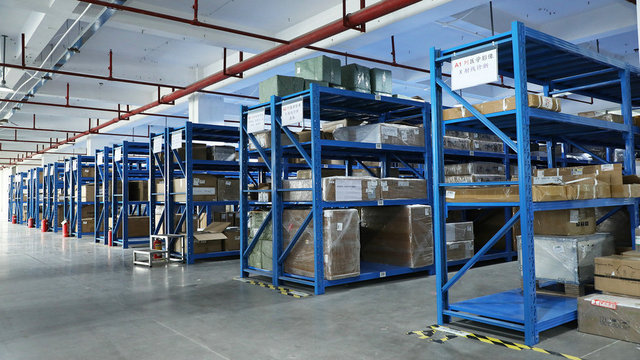
Synthesizing biological data with robust hardware architectures to address structural challenges in clinical research and precision medicine.
Contemporary clinical laboratories are transitioning away from localized analytical methodologies to high-throughput genetic profiling. This transformation requires diagnostic platforms to process hundreds of assays daily while generating clean, structured genomic datasets. By standardizing physical diagnostic workflows, we enable seamless integration with cloud infrastructure, ensuring rapid analysis.
High operational costs are a primary bottleneck in clinical bioinformatics adoption. Our integration of affordable hardware, automated sample processing platforms, and open bioinformatics pipeline designs reduces the total cost of ownership (TCO) for small to mid-sized reference laboratories, leveling the playing field for global healthcare providers.
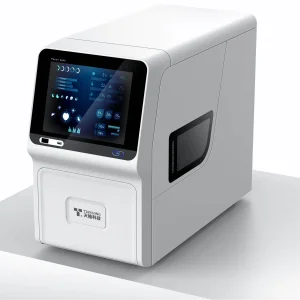
Moving analytical pipelines directly to clinical instruments (edge computing) minimizes latency and security risks during transmission. Integrated systems like the Tianlong Panall 8000 consolidate nucleic acid extraction, amplification, and genetic data compilation into a closed device, bringing automated analytics to the patient side.
Customizing hardware deployment and analytical capabilities to address specific localized clinical, industrial, and ecological requirements.
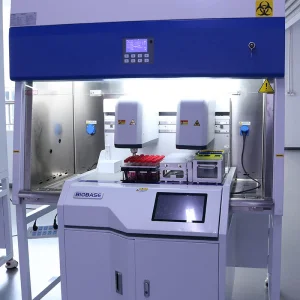
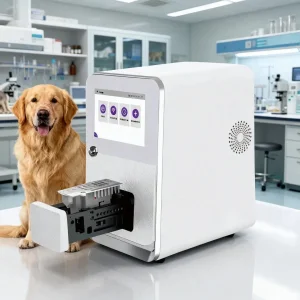
In localized hospital diagnostic centers, high-volume sample sorting, barcoding, and automated processing are vital. Systems utilizing the Biobase BK-Pr48 eliminate manual errors in sample handling, preparing high-quality genetic extracts for downstream real-time PCR or sequencing. This improves clinical assay turnaround times by up to 60%.
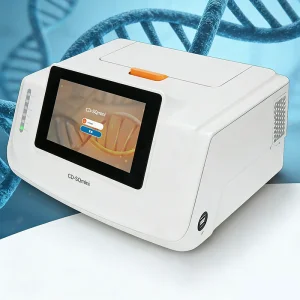
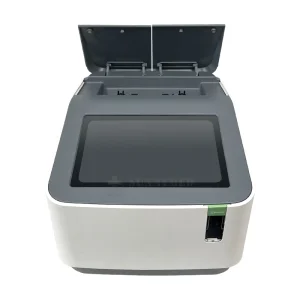
Point-of-care animal pathology demands durable, dust-tolerant molecular hardware. In veterinary clinics and livestock operations, the Sy-W7000 PCR test system enables rapid pathogen tracking without requiring extensive sample transportation, helping farmers and veterinarians identify and manage animal epidemics in real time.
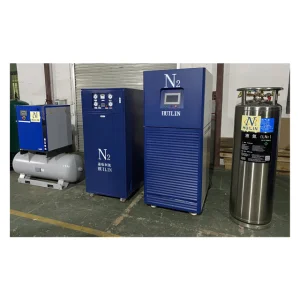
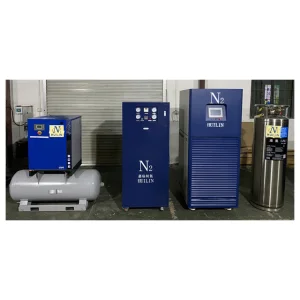
Large-scale genomic facilities and biorepositories rely on high thermal stability for sample preservation. High-performance liquid nitrogen generators guarantee a constant on-demand supply of liquid nitrogen for genetic cryopreservation. This protects sensitive DNA, RNA, and biological materials from thermal degradation without reliance on external supply chains.
A strategic vision detailing the alignment of hardware design with software innovations, AI integration, and Cloud diagnostics over the next decade.
How our vertically integrated Shenzhen assembly infrastructure ensures consistent product quality, component availability, and delivery speed.
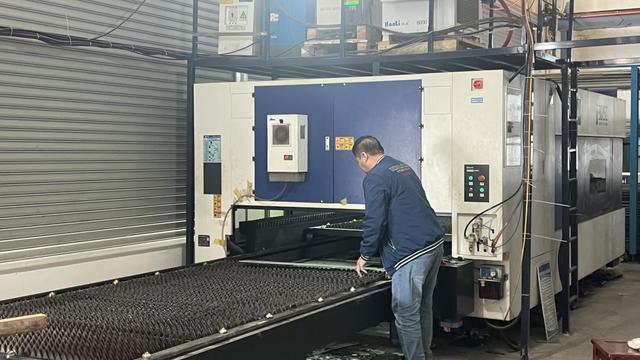
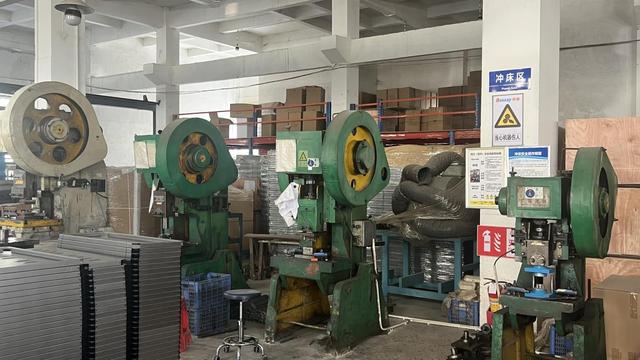
Located within Shenzhen's industrial zone, BioX Medical utilizes a localized supply chain for electronic fabrication, precision machining, and sensor calibration. This helps minimize lead times for biological optical sensors, heating blocks, and mechanical casings, avoiding global shipping bottlenecks.
Operating inside a modern facility of over 9,000 square meters, BioX Medical maintains strict compliance with ISO 13485 guidelines. Every step, from component sourcing to automated calibration and final optical testing, is documented, ensuring reliability across our diagnostic platforms.
Supported by our team of 200+ specialists, we offer customized solutions for diagnostic developers globally. Our manufacturing infrastructure supports flexible mechanical and electronic adjustments, custom GUI localization, and custom packaging, helping partners bring products to market quickly.
Operating in international molecular diagnostic markets requires compliance with regulatory standards. Shenzhen BioX Medical Co., Ltd. designs systems that align with CE-IVD directives, RoHS, and FDA guidelines, simplifying the registration path for local distributors.
To address data residency and patient security concerns, our software solutions are built with features that support HIPAA and GDPR compliance. This ensures diagnostic facilities can configure data protection policies, user permissions, and audit logs locally on their systems.
Beyond physical product delivery, BioX Medical offers continuous remote support, covering software updates, optical calibration, and hardware maintenance to keep clinical systems running reliably.
Answering common technical, regulatory, and mechanical questions about our diagnostic platforms and supply capabilities.
Our diagnostic systems, including the Sy-W7000 and the Panall 8000, feature built-in Ethernet, Wi-Fi, and RS232 interfaces running standard communication protocols (such as HL7 and TCP/IP). This allows for direct, automated data transfer of PCR amplification curves, CT values, and diagnostic determinations straight to LIMS platforms without manual data entry.
Every instrument undergoes pre-calibration at our Shenzhen factory using NIST-traceable standards. For ongoing maintenance, we provide remote calibration tools, system self-diagnostic routines, and modular replacement components. Local engineers can easily perform diagnostic tests and swap modules, minimizing instrument downtime.
Our systems utilize highly sensitive photodiodes or high-performance CMOS imaging arrays with dedicated light-emitting diode (LED) excitation pathways. The optical path isolates standard reporter dyes (FAM, VIC, HEX, ROX, CY5), achieving high sensitivity down to a single copy of target DNA. The thermal block delivers temperature uniformity of ±0.1°C to ensure consistent amplification.
We provide full-spectrum customization. This includes custom optical filter arrays, modified thermal block capacities (e.g., 16, 32, 48, or 96 wells), proprietary firmware integration, custom branding, and specialized packaging. These modifications are managed by our engineering teams to ensure regulatory compliance is maintained.
The BK-Pr48 uses an array of physical protection features: HEPA filtration, built-in ultraviolet decontamination sweeps, physical separation barriers, and an optimized pipetting trajectory designed to prevent liquid shear and aerosol generation. This design reduces cross-contamination risk, keeping it below 1 in 10,000 runs.
Our cloud analytics systems utilize AES-256 data encryption for storage and HTTPS with TLS 1.3 for data transmission. Access controls feature multi-factor authentication (MFA) and customizable user permissions, allowing diagnostic centers to manage access in compliance with HIPAA and GDPR regulations.
Explore our support systems, molecular diagnostic accessories, sample cryopreservation generators, and specialized laboratory equipment.

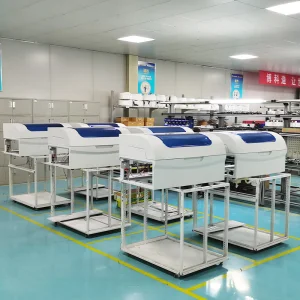
Direct view inside our production facility, cleanrooms, and testing facilities in Shenzhen, China.
 BioX Medical