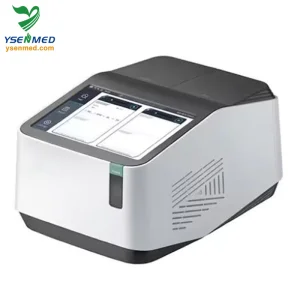
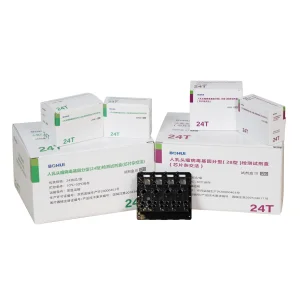
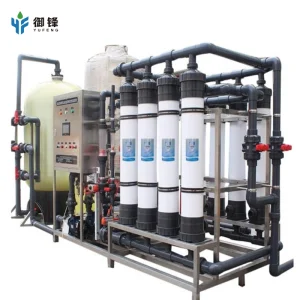
Explore our foundational diagnostic platforms, clinical automation systems, and facility performance monitoring systems configured for global distribution.
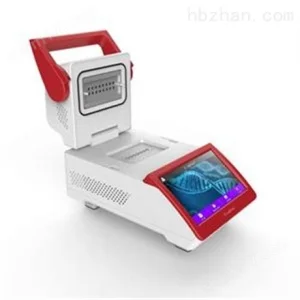
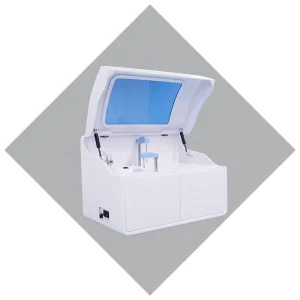
Analyzing the scale, challenges, and manufacturing trends shaping cancer screening worldwide.
The global oncology diagnostics market is undergoing an unprecedented paradigm shift, driven by the transition from traditional histological staining to complex molecular and genetic profiling. Estimated at over USD 100 billion globally, this sector is growing at a compound annual growth rate (CAGR) exceeding 10%. As oncology care moves towards highly individualized therapeutic regimens, the demand for precision diagnostics—including PCR-based screening, Next-Generation Sequencing (NGS) panels, and automated immunohistochemistry—has escalated exponentially.
At the center of this transformation is the critical need for scalable, high-throughput manufacturing infrastructure. Medical institutions, pharmaceutical sponsors, and regional health systems require high-sensitivity assays to capture minimal residual disease (MRD), run genetic cancer risk profiles, and monitor therapeutic responses in real-time. Yet, developing these technologies in-house presents steep barriers to entry, including long validation phases, strict regulatory certification, and massive capital expenditures.
Consequently, the global IVD industry relies heavily on consolidated OEM and ODM manufacturing partners. By leveraging centralized biotechnology manufacturers who provide turn-key molecular diagnostic platforms, instrumentation, and reagents under strict quality management systems (QMS), medical brands can drastically accelerate their path to market. This dynamic has established a global supply chain where precision manufacturing, regulatory conformity, and structural reliability form the baseline for clinical utility.
Propelled by advancements in precision molecular profiling and liquid biopsies.
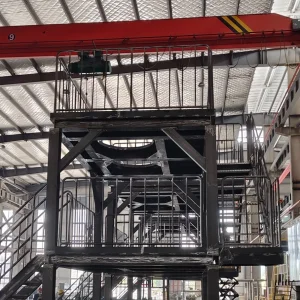
Modern manufacturing facility with ISO 13485 cleanroom systems.
Dedicated R&D, quality control, and system integration engineering staff.
Innovations defining the next generation of cancer screening, therapeutic validation, and diagnostic delivery.
Diagnostic laboratories face growing sample volumes and labor constraints. Modern assays must integrate seamlessly with fully automated clinical systems, reducing human touchpoints from extraction to analytical interpretation. This minimizes cross-contamination and maintains reproducibility across thousands of cohorts.
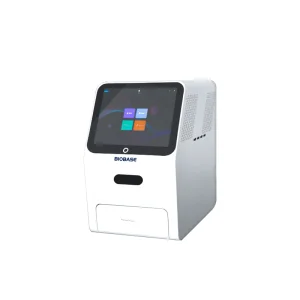
Moving from centralized mega-labs to point-of-care (POCT) environments allows rapid, high-sensitivity diagnostic readouts. Highly portable quantitative PCR platforms bring genomic analysis to regional outreach clinics and oncology wards, permitting rapid clinical pathways without logistical delay.
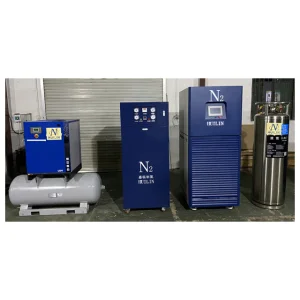
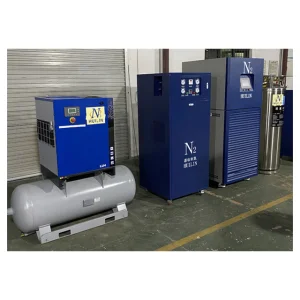
Retrospective clinical studies depend on intact biomolecules. Automated liquid nitrogen systems maintain viable tissue archives, viable cell cultures, and genomic extractions under absolute thermal stasis, preventing degradation that leads to false results during retrospective drug screening.
How physical systems, liquid purification, and microfluidics combine to yield clinical diagnostic outputs.
Medical test reliability is not just about the assay itself; it requires an integrated environment of high-purity media, steady mechanical systems, and digital data pipelines. The table below illustrates the critical role that various sub-systems play in modern laboratory frameworks.
| System / Asset Type | Core Application in Oncology & IVD | Diagnostic Path / Technical Role | Impact on Analytical Sensitivity |
|---|---|---|---|
| Quantitative PCR Systems | Target gene amplification, HPV detection, and oncogene expression profiling. | Fluorescence emission measurement across multiple channels. | Enables sub-picogram limit of detection (LoD) for targeted sequences. |
| Biochemical Analyzers | Profiling liver/kidney biomarkers in oncology patients undergoing therapy. | Fully automated colorimetric and turbidimetric clinical evaluation. | Ensures accurate baseline toxicity profiling during chemotherapy cycles. |
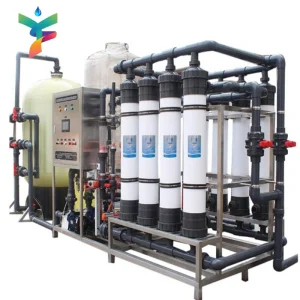
| Ultrafiltration Water Systems | Synthesis of PCR master mixes and molecular biology buffer solutions. | Integrated membrane filtration and ultrafiltration to eliminate nucleases. | Prevents trace enzyme contamination, avoiding false positives/negatives. |
| Cryogenic Preservation systems | Long-term biobanking of tumor biopsies, organoids, and reference strains. | Phase-controlled liquid nitrogen storage systems with automated filling. | Protects cellular integrity and structural RNA/DNA for subsequent sequencing. |
| Ultrasonic Lysis Systems | Rapid cell disruption and extraction of highly fragmented nucleic acids. | High-frequency acoustic energy delivery to break challenging cell walls. | Maximizes extraction yields from minimal, trace, or paraffin-embedded samples. |
Our solutions cater to various specialized environments, satisfying distinct regional standards and specific deployment criteria:
Established in 2017 - Leading Global Molecular Diagnostic & Genetic Testing Solutions Manufacturer.
Shenzhen BioX Medical Co., Ltd. is a professional manufacturer specializing in molecular diagnostic analysis systems, genetic testing solutions, and clinical laboratory equipment. Established in 2017, the company is headquartered in Shenzhen, China, a leading center for biotechnology innovation, medical device development, and advanced manufacturing.
With a modern manufacturing facility covering more than 9,000 square meters and a workforce of over 200 employees, BioX Medical is dedicated to the research, development, production, and supply of molecular diagnostic technologies for clinical laboratories, hospitals, research institutions, public health organizations, and biotechnology companies worldwide.
The company's product portfolio includes molecular diagnostic analysis systems, nucleic acid testing platforms, genetic analysis systems, pathogen detection solutions, biomarker analysis equipment, automated laboratory testing systems, and precision medicine support technologies. By integrating advanced automation, data management capabilities, and laboratory workflow optimization, BioX Medical develops solutions designed to improve testing efficiency, analytical accuracy, and operational reliability.
Supported by a multidisciplinary team of engineers, laboratory specialists, and quality management professionals, the company continuously invests in innovation and product development. Comprehensive quality control procedures are implemented throughout design, manufacturing, testing, and inspection processes to ensure consistent performance and compliance with international industry standards.
Shenzhen BioX Medical Co., Ltd. serves customers across Europe, North America, Asia-Pacific, the Middle East, Latin America, and Africa. The company also provides flexible OEM and ODM services for distributors, diagnostic companies, and healthcare organizations seeking customized molecular testing solutions.
Committed to advancing modern laboratory technologies, BioX Medical focuses on delivering reliable, scalable, and innovative diagnostic systems that support disease detection, genetic analysis, clinical research, and precision healthcare initiatives. Through continuous technological advancement and customer-oriented development, the company strives to contribute to the global evolution of molecular diagnostics and laboratory medicine.
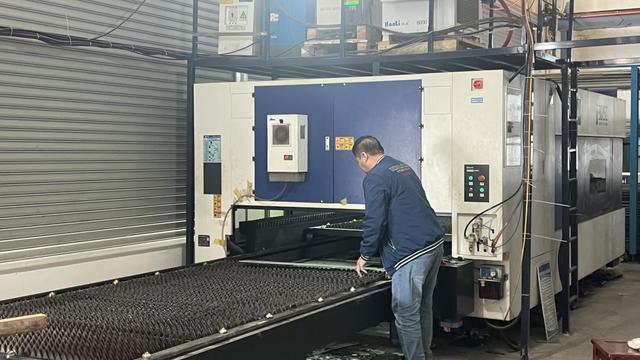
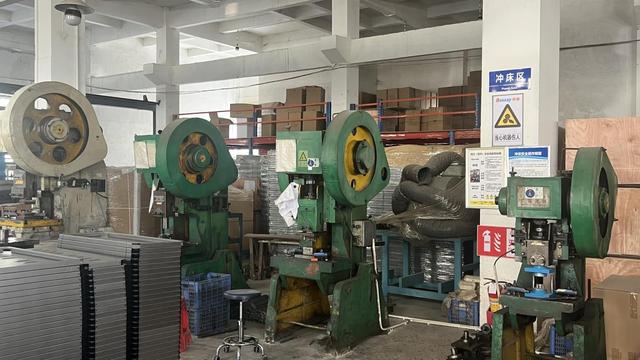
Our infrastructure matches international standards, incorporating cleanrooms, automated calibration units, and rigorous verification setups to produce reliable medical equipment.
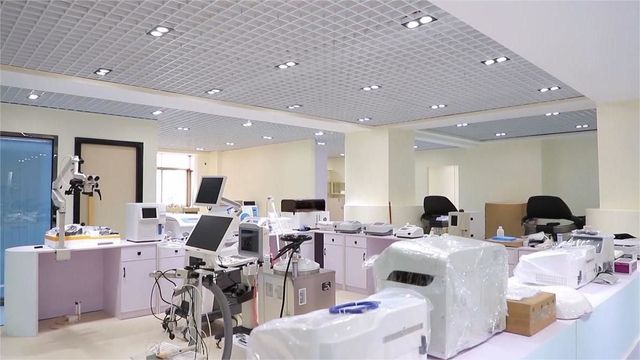

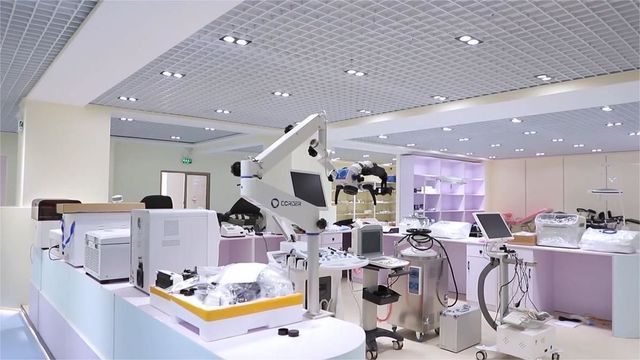
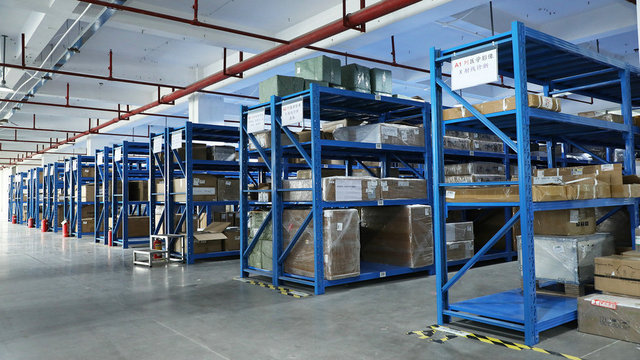
Pioneering innovations in multiplex target analysis, automated extraction, and integration with digital health networks.
As oncology care advances toward early-stage intercept diagnostics, our technical roadmap remains focused on increasing molecular assay sensitivity, lowering analytical limits, and integrating digital intelligence. Key milestones in our ongoing design and manufacturing developments include:
Designing advanced optical blocks for real-time PCR instruments. Adding multiple channels to detect up to 6 target mutations (such as EGFR, KRAS, and clinical HPV genotypes) simultaneously in a single reaction volume.
Fusing ultrasonic cell lysis, chemical extraction, and PCR amplification into a unified cartridge system. This mitigates aerosol contamination and reduces total diagnostic time from hours to minutes.
Transitioning toward microfluidic partition systems that enable absolute copy-number count calculation without relying on external calibration curves, addressing the clinical demand for liquid biopsy screening.
By collaborating closely with global oncology research institutes and clinical partners, Shenzhen BioX Medical Co., Ltd. continuously refines its core hardware, microfluidics, and software technologies. This ensures our partners receive robust diagnostic platforms designed to handle complex scientific workflows.
Answering key structural, regulatory, and technological questions for industry distributors and medical brands.
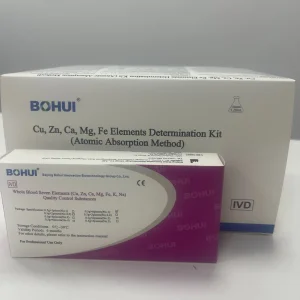
We provide full OEM and ODM services. This includes customized PCR optical path configurations (e.g., adding specific emission channels), custom-branded casing, customized user interfaces, and specialized mechanical structures to suit distinct laboratory workflows. We also customize integrated systems, including biochemical analyzers and laboratory trace element testing platforms.
Molecular assays targeting low-abundance cancer markers are highly sensitive to contamination. Trace minerals, heavy metals, or nucleases (DNases/RNases) in reagent water can degrade targets or inhibit enzyme performance, causing false negatives. Platforms like the Aquapure UF-Int8000 utilize multi-stage ultrafiltration to supply high-purity water, maintaining baseline reliability.
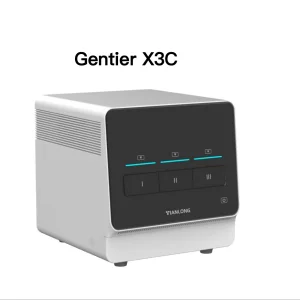
Our 9,000 square meter facility operates under ISO 13485 (Medical Devices QMS) certification. Each device, from the TianLong Gentier X3C PCR system to our biochemical analyzers, undergoes strict factory calibration, temperature uniformity profiling, optical channel verification, and structural load testing before distribution.
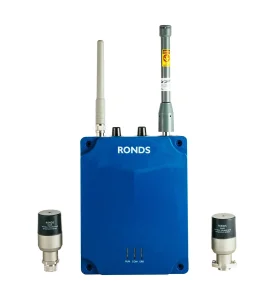
Reagent formulation and assay production run on high-speed automated lines. Unplanned mechanical failures can ruin temperature-sensitive batches and disrupt global deliveries. Integrating predictive vibration monitoring tools allows production teams to identify early mechanical wear, plan maintenance during planned downtime, and ensure stable manufacturing operations.
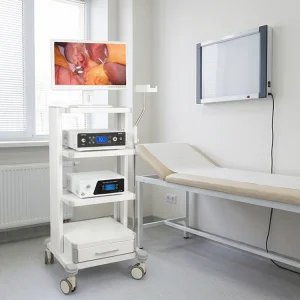
Complete your laboratory setup with high-precision endoscopes, cryogenic systems, veterinary diagnostics, and cleanroom infrastructure.

 BioX Medical