BioX Medical
1 / 5

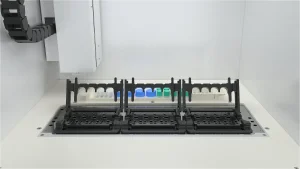
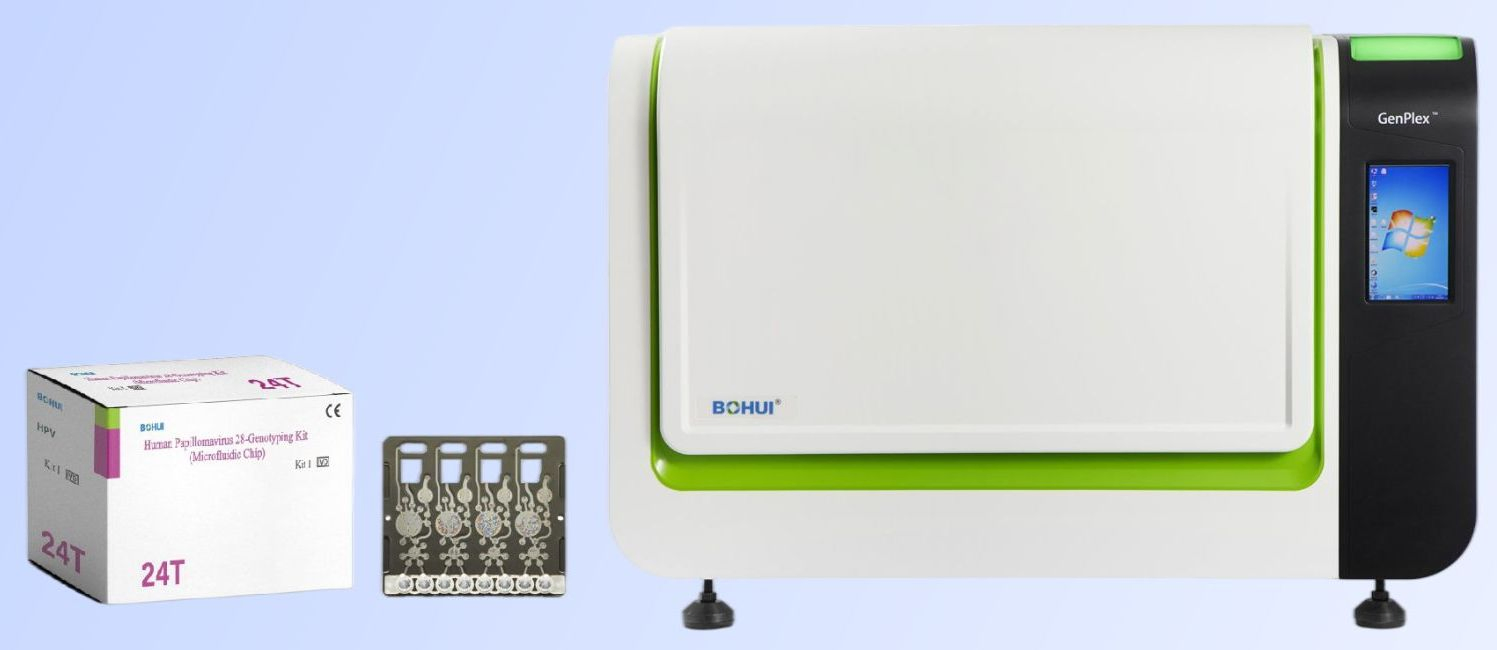
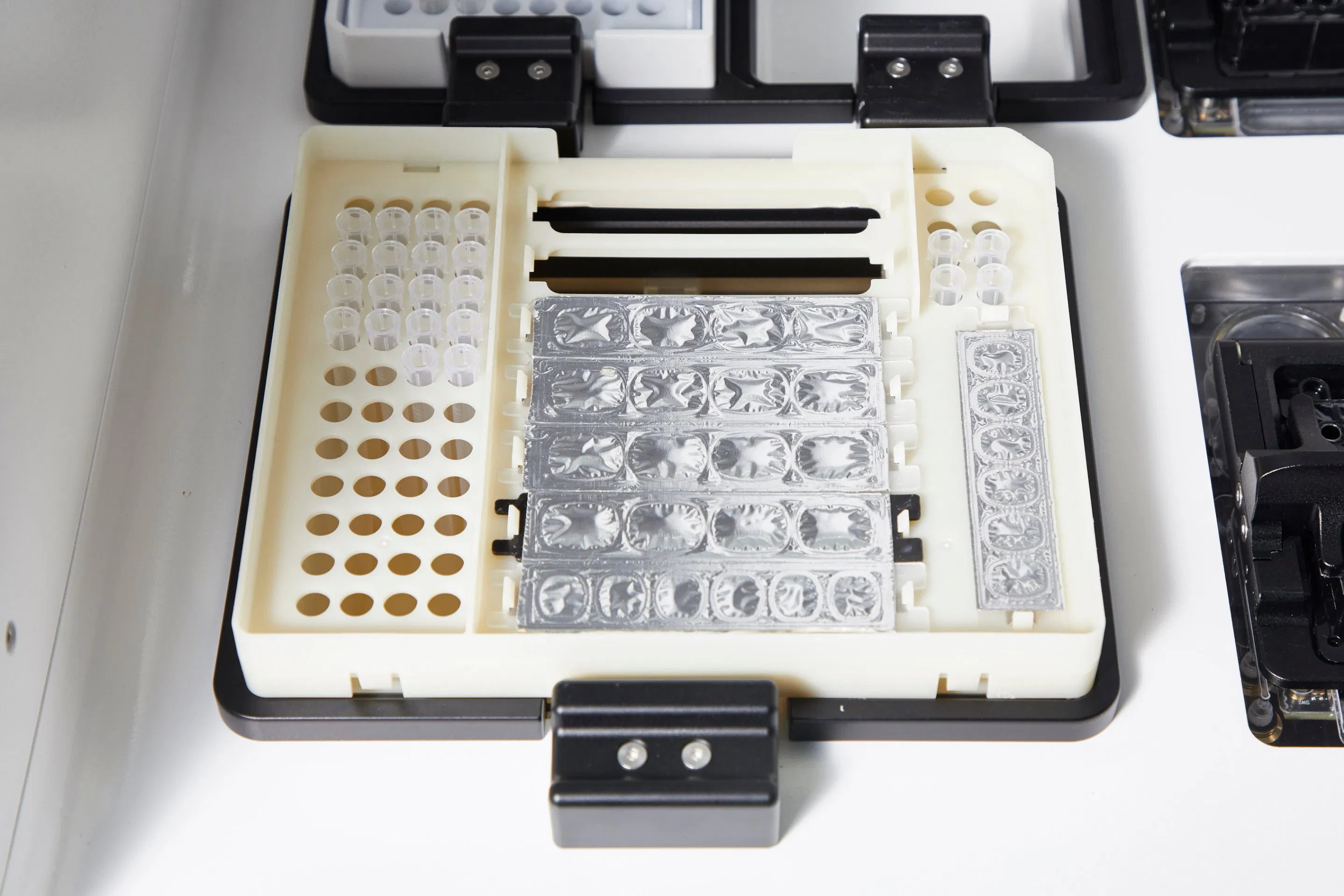
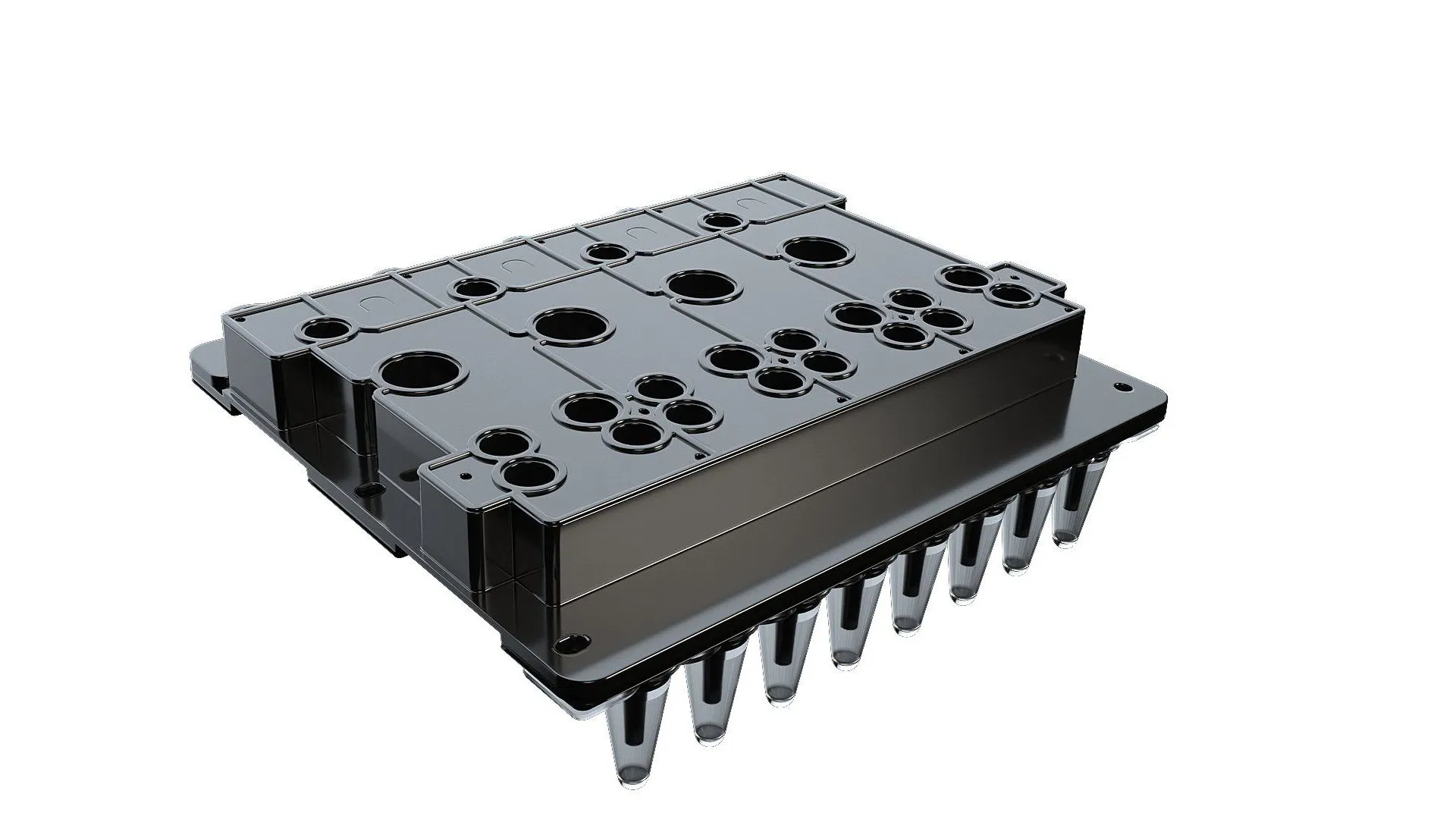
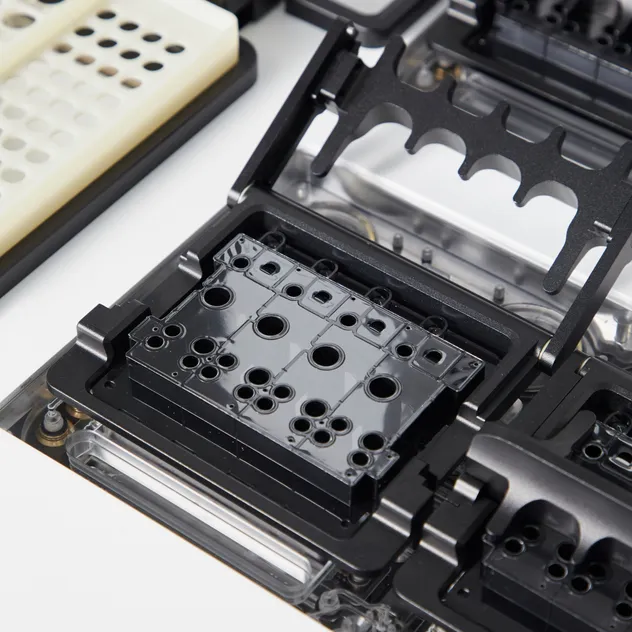
The instrument employs reverse hybridization for virus sub-type analysis. Samples enter a slot, and the device automates reagent processing, DNA extraction, and PCR amplification using Chip micro-pumps. Amplified products undergo reverse hybridization with virus probes. Target genes, if present, bind to Chip probes and show spots post-enzyme reaction. Negative samples show no spots at virus probe sites.
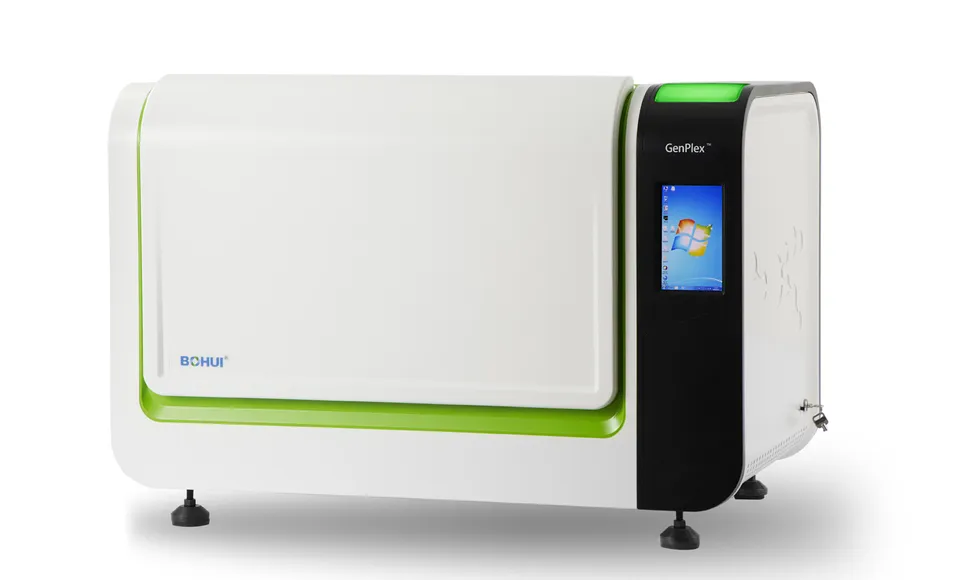

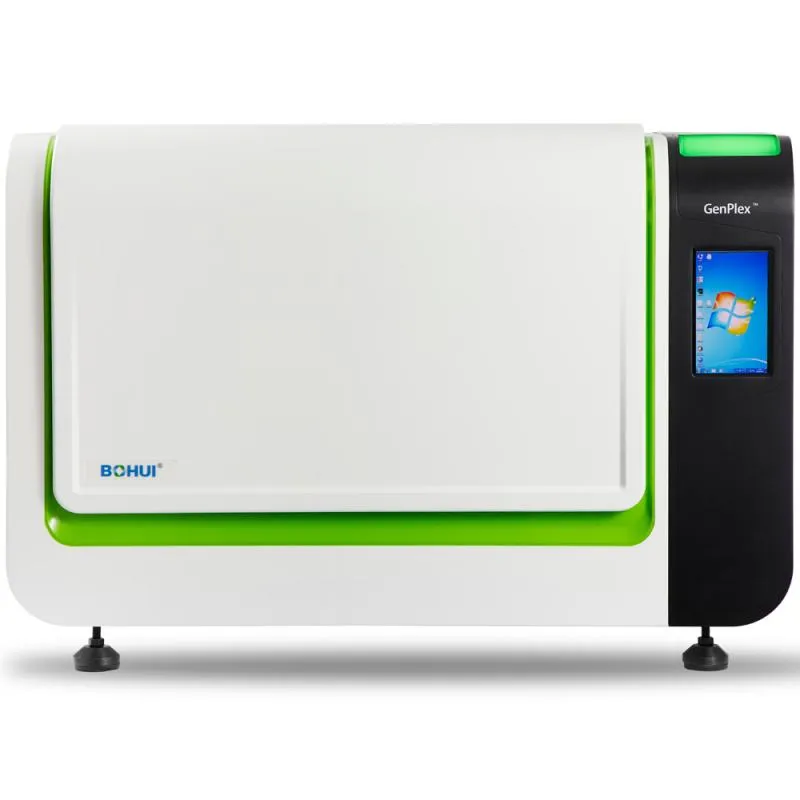
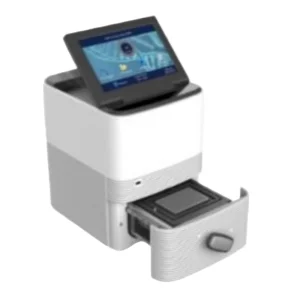
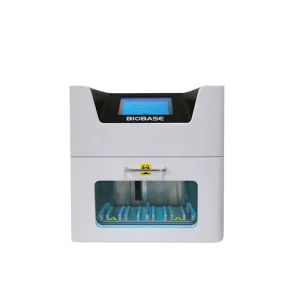
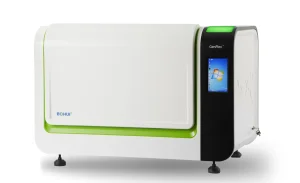
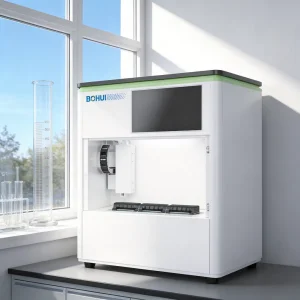
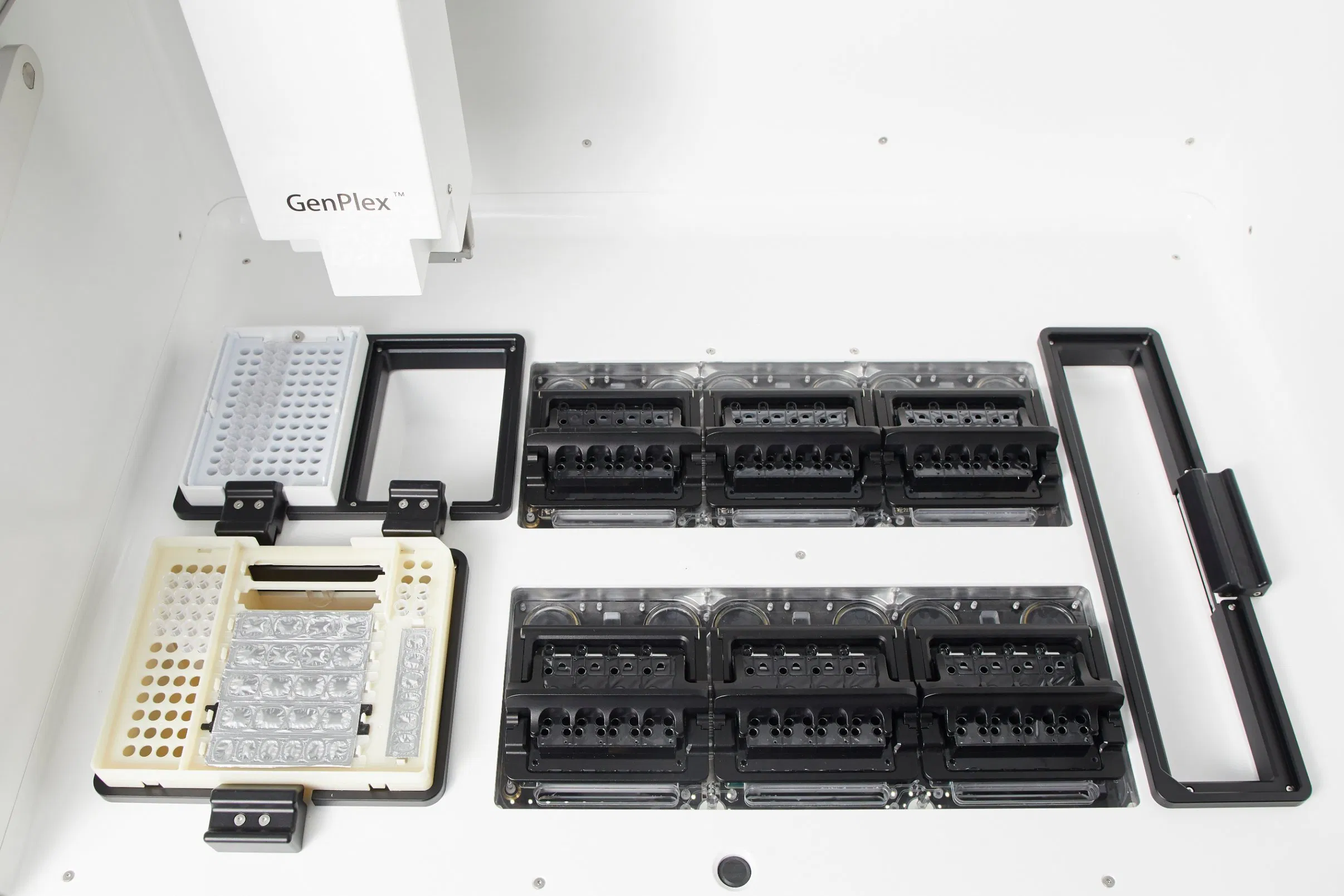
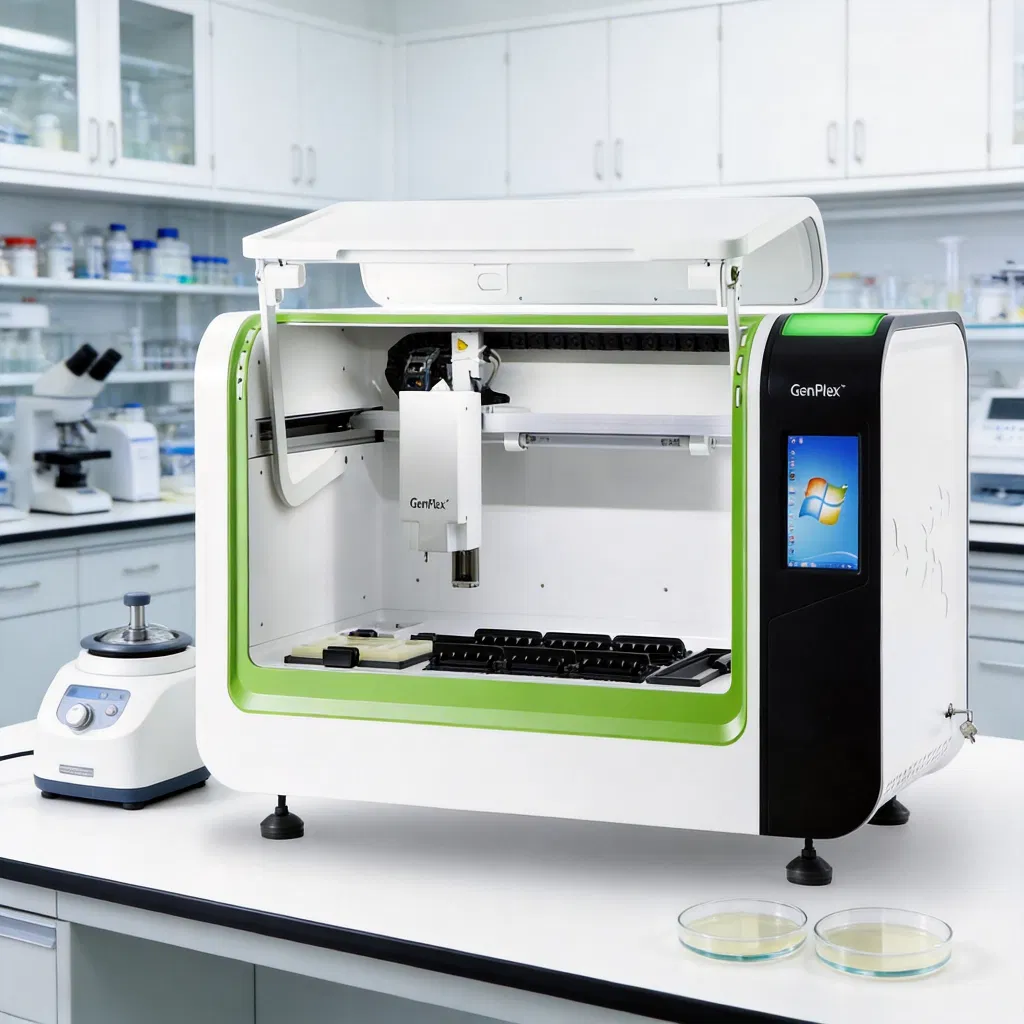
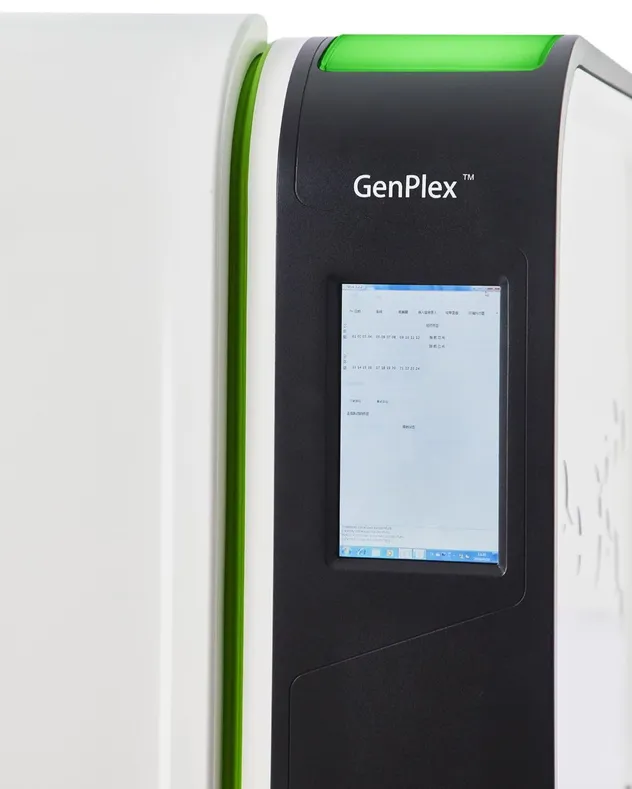
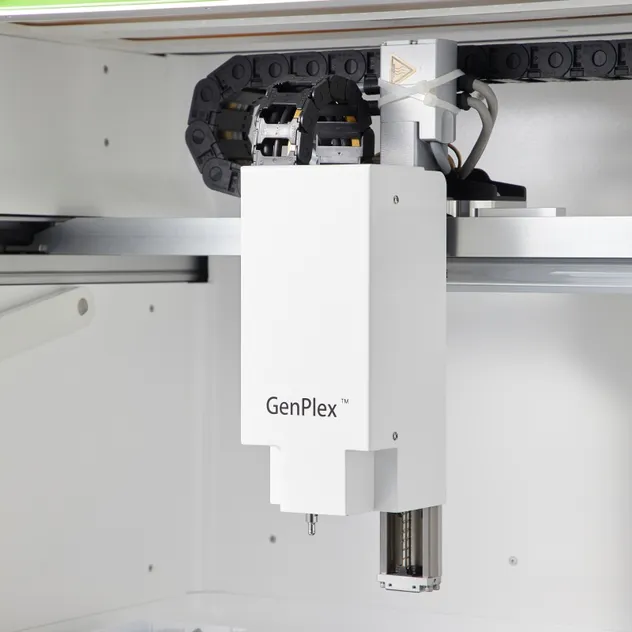
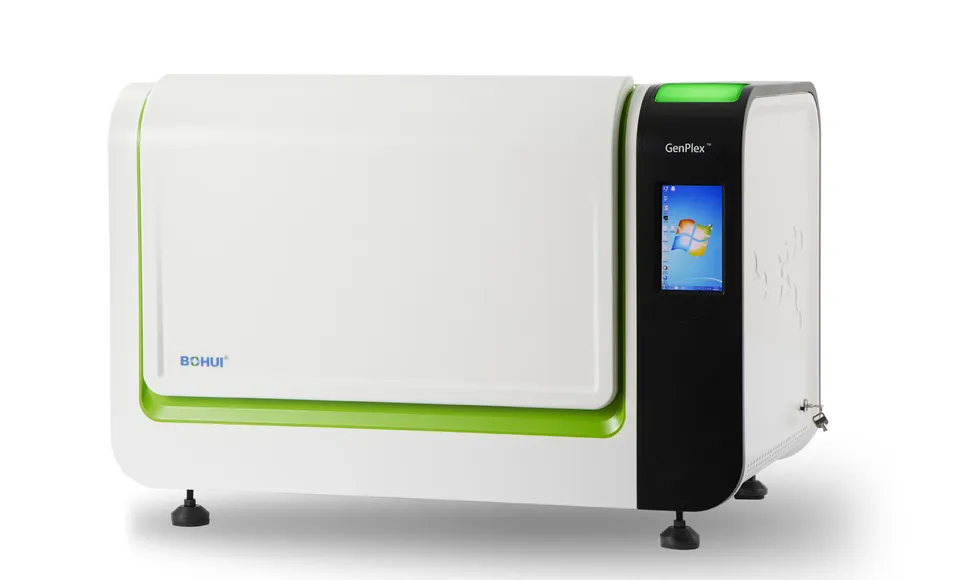
The Nucleic Acid Chip Analyzer includes a host and optional printer. The host features an image display system, reagent system, gas path system, temperature control, image detection, and 3-D mobile platform.
Sample Type: exfoliated cervical epithelial cells
| Parameter | Specification |
|---|---|
| Model | BHF-VI |
| Detection Platform | PCR & Reverse dot blot hybridization |
| Detection Modules | 6 Modules |
| Sample Capacity | 24 |
| Heating rate | ≥1.5 ℃/s (50℃ to 90℃) |
| Cooling rate | ≥1.5 ℃/s (90℃ to 50℃) |
| Dimension | 1000 x 610 x 690±10 (mm) |
| Weight | ≤80kg |
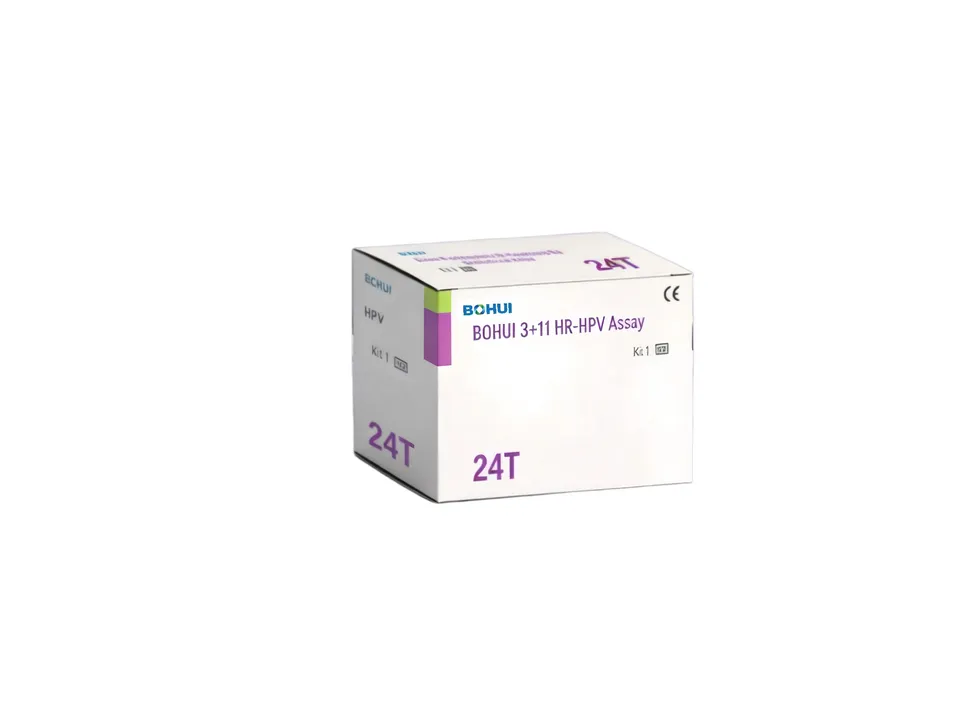
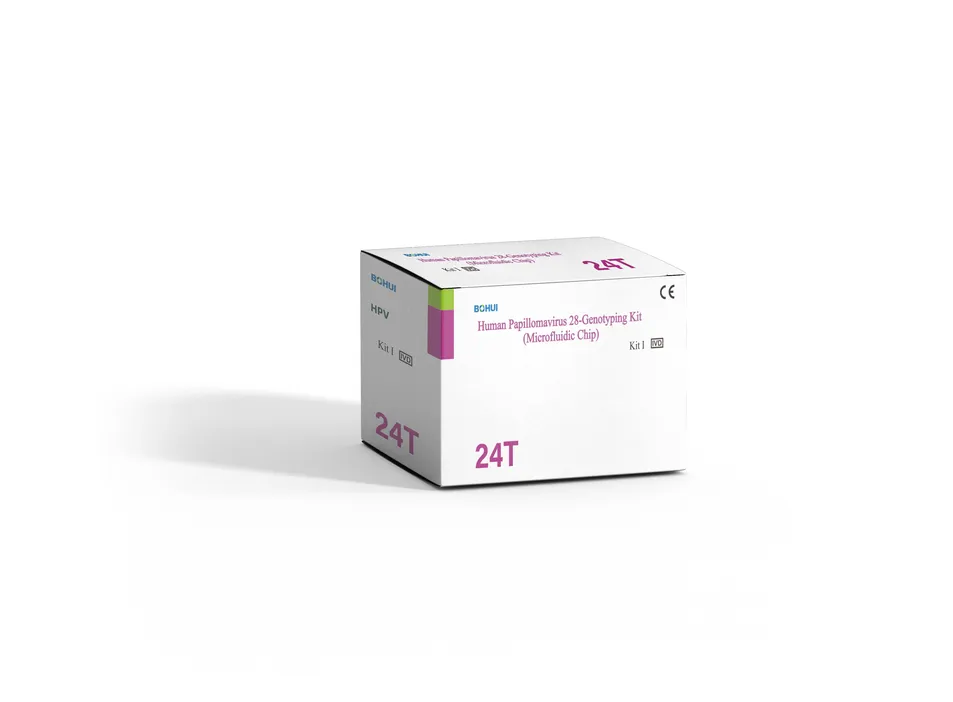
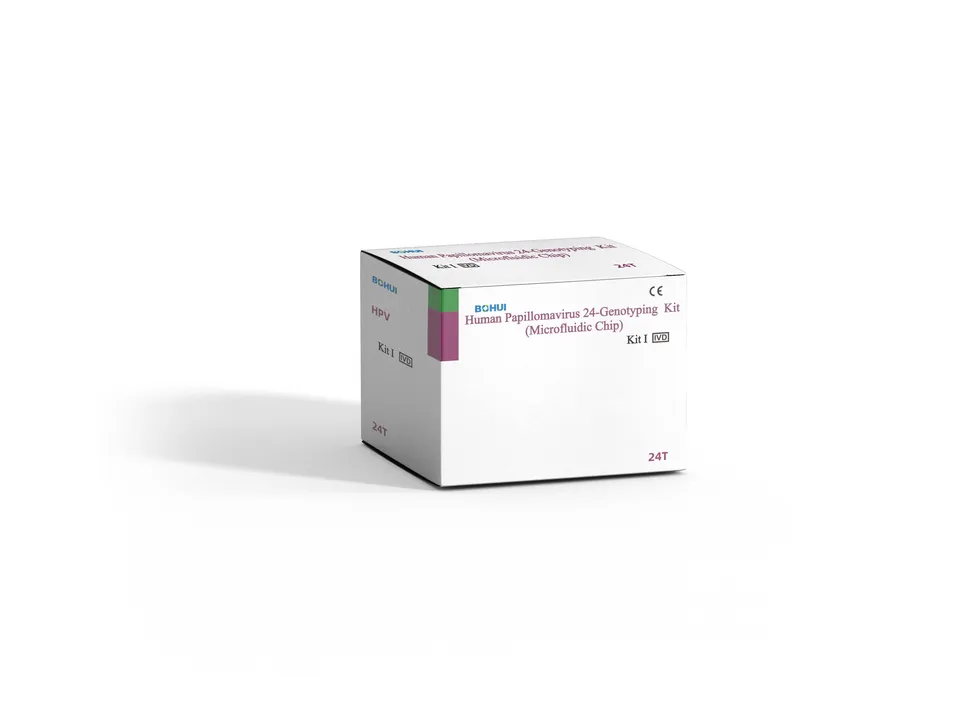
The system integrates preparation, amplification, detection, and analysis. It offers a panel for detecting 24/28 HPV genotypes and Mycobacterium tuberculosis resistance genes.
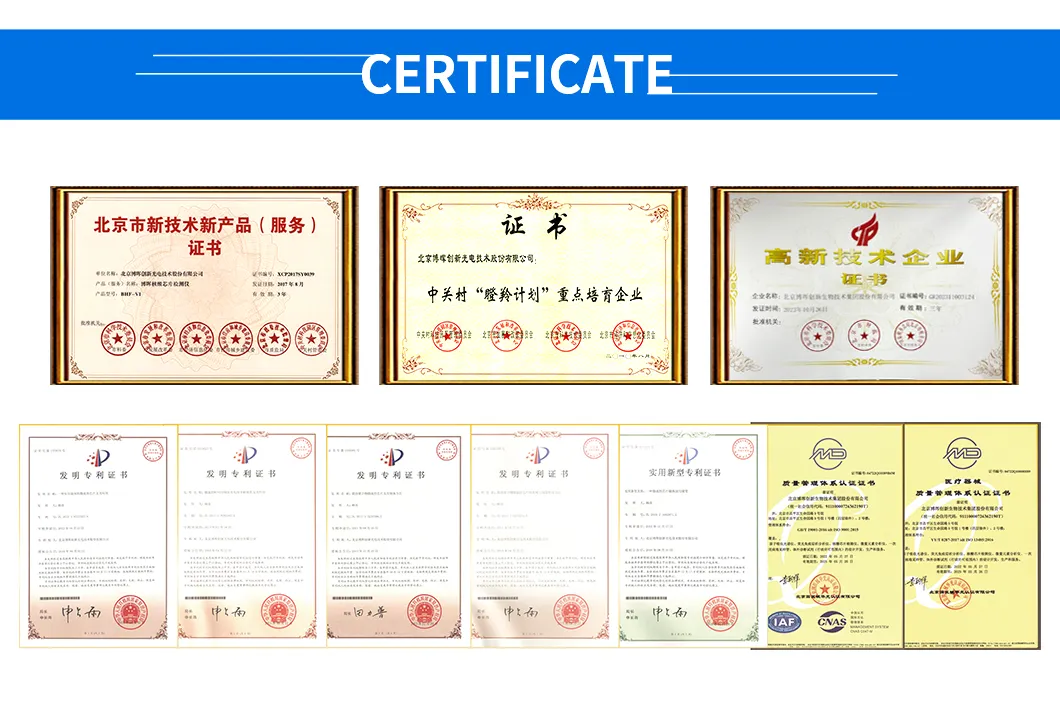
Founded in 2001, the enterprise is a high-tech biomedical entity integrating R&D, production, sales, and after-sales service. It operates a significant R&D center focused on automated nucleic acid detection products powered by microfluidic technology, often referred to as a "laboratory on a chip". The group emphasizes life sciences through mass spectrometry and premium biopharmaceutical manufacturing, including blood product facilities and vaccine manufacturing.