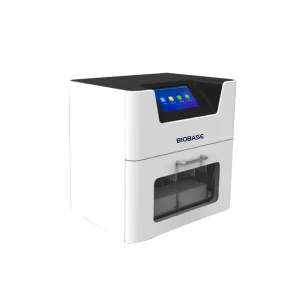
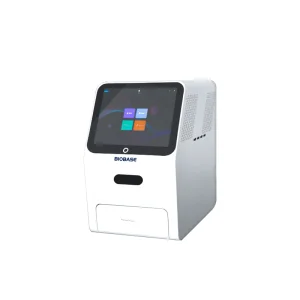
In the contemporary landscape of global healthcare, Clinical Decision Support Systems (CDSS) have evolved from simple digital checklists to sophisticated, AI-driven platforms that define the "brain" of a modern hospital. As a leading CDSS factory, Shenzhen BioX Medical Co., Ltd. recognizes that the convergence of molecular diagnostics and computational intelligence is the key to reducing medical errors and optimizing patient outcomes. This whitepaper explores the technological framework, regulatory necessity of CE Certification, and the global industrial roadmap for next-generation clinical support.
Leveraging Big Data to provide real-time alerts and diagnostic suggestions tailored to individual patient profiles.
Strict adherence to CE MDR standards ensuring safety, reliability, and international market accessibility.
Synergizing genetic testing results with clinical history for superior precision in oncology and infectious diseases.
The global Clinical Decision Support Systems market is projected to reach billions by 2030, driven by the increasing adoption of Electronic Health Records (EHR) and the urgent need to manage chronic diseases. Factories specializing in CDSS are no longer just software houses; they are integrated medical device manufacturers that bridge the gap between "wet lab" results and "dry lab" analytics.
Current trends show a massive shift toward cloud-based CDSS and Software as a Medical Device (SaMD). European markets, in particular, demand high-level CE certification, which serves as a global benchmark for quality. Asian manufacturing hubs, led by innovators like BioX Medical, are currently leading the charge in cost-effective, high-throughput diagnostic hardware that powers these intelligent systems.
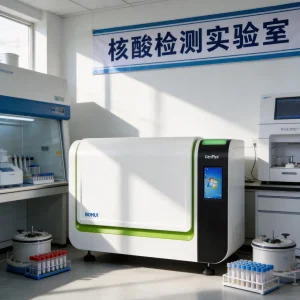
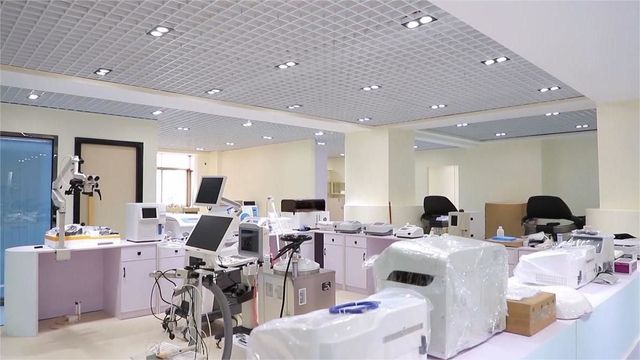
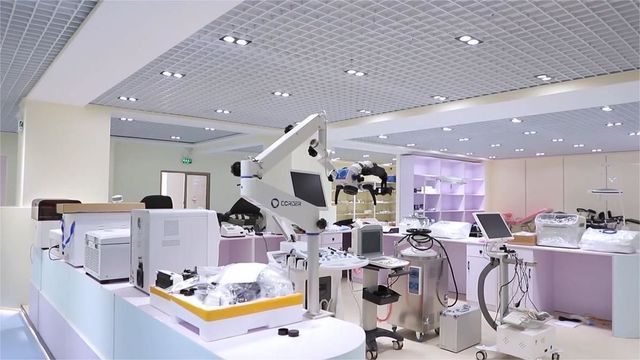
Shenzhen BioX Medical Co., Ltd. is a professional manufacturer specializing in molecular diagnostic analysis systems, genetic testing solutions, and clinical laboratory equipment. Established in 2017, the company is headquartered in Shenzhen, China, a leading center for biotechnology innovation, medical device development, and advanced manufacturing.
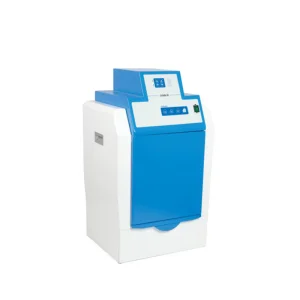
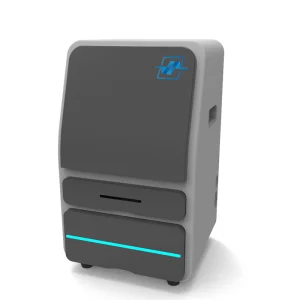
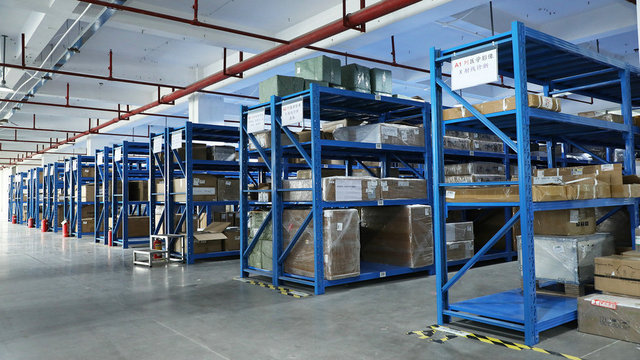
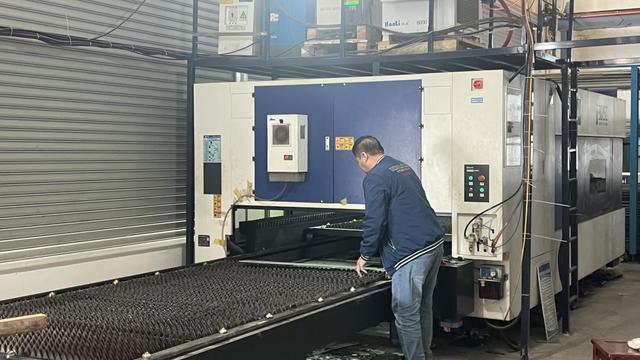
With a modern manufacturing facility and a dedicated workforce, BioX Medical focuses on the research, development, and supply of molecular diagnostic technologies. Our product portfolio includes molecular diagnostic analysis systems, nucleic acid testing platforms, genetic analysis systems, and precision medicine support technologies. By integrating advanced automation and data management, we develop solutions designed to improve testing efficiency and analytical accuracy.


Historical approach using "If-Then" logic to trigger alerts based on lab thresholds (e.g., high glucose levels).
Current state-of-the-art using statistical modeling to predict sepsis, cardiac events, or patient readmission risks.
The future frontier involving Deep Learning and Natural Language Processing (NLP) to read unstructured physician notes and provide autonomous diagnostic support.
Information Gain: Modern factories are now moving toward "Explainable AI" (XAI). Unlike traditional "Black Box" algorithms, XAI in CDSS provides the clinical reasoning behind every suggestion, which is a fundamental requirement for CE MDR (Medical Device Regulation) approval in the European Union.
Standardizing care across rural clinics by providing junior doctors with the same knowledge base as specialist hospitals.
Real-time monitoring systems that filter "alarm fatigue" and only alert staff to critical physiological changes.
Automated interpretation of complex genomic sequences to suggest targeted therapies for oncology patients.
BioX Medical provides a holistic solution for hospitals seeking to upgrade their diagnostic infrastructure. Our approach combines automated laboratory testing systems with data management capabilities. By optimizing laboratory workflows, we ensure that every diagnostic data point collected is actionable through our clinical support interfaces.
Our OEM and ODM services allow global distributors to customize these solutions, adapting the software UI and diagnostic modules to fit local linguistic and regulatory requirements (e.g., FDA in the US, CE in Europe, NMPA in China).
A: CE certification ensures that the Clinical Decision Support System meets the essential health and safety requirements of EU directives. Under the new MDR, CDSS software is often classified as Class IIa or higher, requiring rigorous clinical evaluation and technical documentation.
A: Our systems are designed with HIPAA and GDPR compliance at their core, utilizing end-to-end encryption and decentralized data processing to protect sensitive patient health information (PHI).
A: Yes. We follow international interoperability standards such as HL7 and FHIR, allowing our diagnostic platforms to communicate seamlessly with major Electronic Health Record systems like Epic, Cerner, and Allscripts.
A: Depending on customization requirements (OEM/ODM), standard lead times range from 4 to 8 weeks, ensuring comprehensive quality control and inspection before shipment.
 BioX Medical