China Top Automated Testing Equipment Manufacturers & Suppliers

Strategic Precision Sourcing, Advanced Diagnostics Manufacturing & High-Precision Calibration Systems

1. Executive Summary & Corporate Infrastructure

In the current landscape of high-precision diagnostic and industrial manufacturing, the demand for high-reliability, repeatable, and scalable technology has accelerated. Shenzhen BioX Medical Co., Ltd. stands as a premier manufacturer specialized in the design, engineering, and distribution of molecular diagnostic analysis systems, genetic testing solutions, and advanced laboratory automation equipment. Headquartered in Shenzhen, China—a preeminent global hub for biotech innovation, medical electronics, and precision hardware manufacturing—the company has pioneered solutions that bridge the gap between laboratory instrumentation and robust mechanical execution systems.

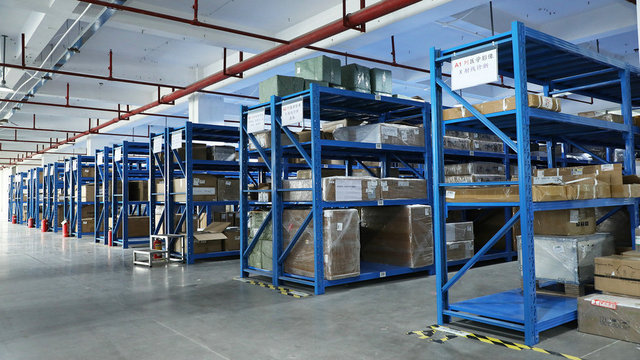
Established in 2017, BioX Medical has rapidly scaled its physical and structural capacity. Operating from a modern state-of-the-art facility spanning more than 9,000 square meters, the enterprise employs over 200 highly specialized professionals. This multidisciplinary workforce comprises software developers, hardware design engineers, biological validation specialists, and certified quality managers. This robust infrastructure allows the organization to control the complete lifecycle of its equipment—from fundamental R&D through system integration, verification, and final compliance testing.

9,000+
Square Meters Facility
200+
Employees & R&D Experts
2017
Year Established
65+
Export Countries

BioX Medical’s product portfolio includes advanced molecular diagnostic analysis systems, nucleic acid testing platforms, genetic analysis systems, pathogen detection solutions, biomarker analysis equipment, automated laboratory testing systems, and precision medicine support technologies. By integrating advanced automation, data management capabilities, and laboratory workflow optimization, BioX Medical develops solutions designed to improve testing efficiency, analytical accuracy, and operational reliability.

2. Global Sourcing Dynamics: Sourcing Automated Test Equipment

International procurement of automated testing systems and mechanical positioning infrastructure requires a deep evaluation of multi-layered parameters. When global OEMs, clinical laboratory managers, and technology integrators seek Automated Test Equipment (ATE) suppliers in China, the evaluation framework must extend beyond initial capital expenditure. Modern procurement workflows focus on:

  • Total Cost of Ownership (TCO): Sourcing platforms that minimize continuous operational overhead, calibration cycles, and mechanical wear.
  • System Adaptability & API Integration: The ability of diagnostic software (such as PCR platforms and diagnostic suites) to interface with existing Laboratory Information Management Systems (LIMS) using standard protocols like HL7 or TCP/IP.
  • Structural Integrity of Motion Platforms: Multi-degree-of-freedom mechanical stages, such as Six Degree of Freedom (6-DOF) parallel robots and precise Z-lift platforms, require extreme geometric accuracy and load-bearing resilience to ensure reliable optical alignment and sensor performance.

Additionally, BioX Medical serves a global demographic spanning Europe, North America, the Asia-Pacific region, the Middle East, Latin America, and Africa. Because biological validation requirements and clinical diagnostic mandates vary by territory, we maintain agile engineering units capable of facilitating custom OEM and ODM configurations. These services empower diagnostic developers, pharmaceutical entities, and healthcare systems to modify automated platforms to meet localized analytical parameters.

3. Macro Industry Solutions & Engineering Classification

Modern industrial, diagnostic, and environmental systems are not isolated components; they operate as interconnected workflows. The optimization of these workflows relies on precision sub-systems, automated diagnostic systems, and mechanical alignments. Here is an overview of these critical configurations:

A. Molecular Diagnostics & Clinical Pathogen Analysis

Modern clinical diagnostics demand highly automated systems that reduce human error and minimize exposure to hazardous biological agents. Integrated molecular diagnostic setups run sequentially to process raw patient samples and deliver definitive genetic profiles:

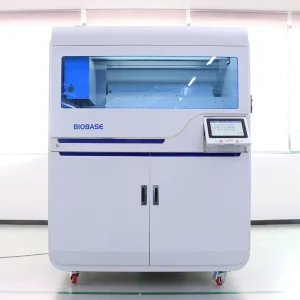
  • Extraction and Purification: Automated nucleic acid extraction systems (such as the *Bk-Autohs96*) isolate DNA/RNA from up to 96 clinical samples in parallel, ensuring consistent yield and purity.
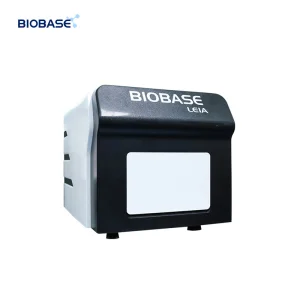
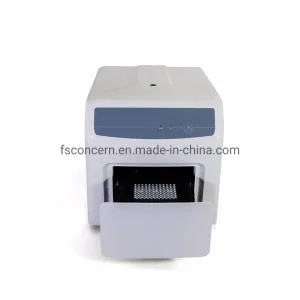
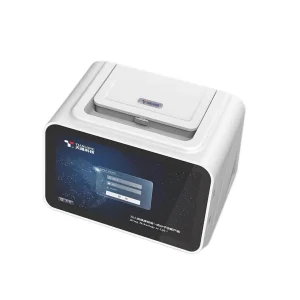
  • Quantitative Amplification: The purified samples are processed in real-time fluorescence quantitative PCR systems (e.g., the *Leia-X4* or the *Gentier Mini*). These platforms utilize long-life, solid-state LED excitation light paths and multi-channel optical detection to monitor target sequences in real-time.
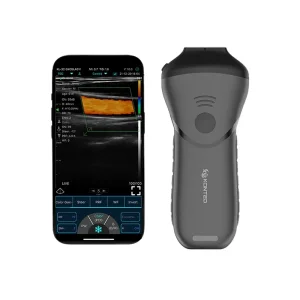
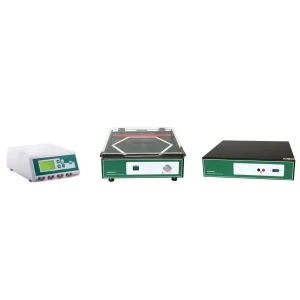
  • Biomarker Verification: Supplementary diagnostic platforms, including electrophoresis units and diagnostic imaging systems (such as portable linear ultrasound scanners), help confirm molecular profiling and trace disease progression.

B. Advanced Positioning & Optoelectronic Alignment Platforms

In advanced manufacturing, optical alignment, and semiconductor assembly, micro-positioning is critical. Real-time testing of sensors, camera modules, and optoelectronic transceivers relies on stable mechanical support systems:

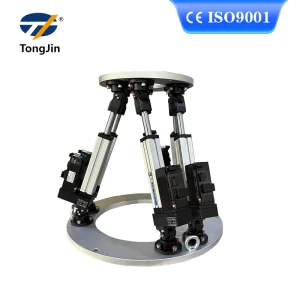
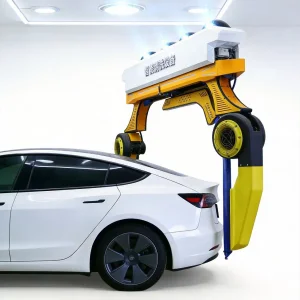
  • Multi-Axis Kinematics: Six Degree of Freedom (6-DOF) motion platforms execute sub-micron adjustments across three translational axes (X, Y, Z) and three rotational axes (roll, pitch, yaw). These systems are essential for aligning complex lenses, calibrating automotive sensors, and testing micro-electromechanical systems (MEMS).
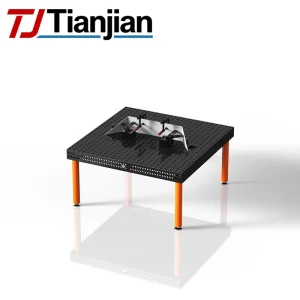
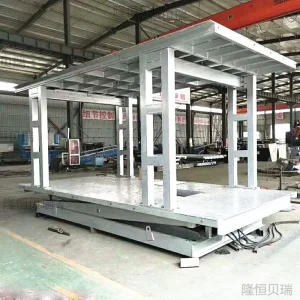
  • Vertical Precision: Dedicated precision Z-lift platforms provide stable, repeatable vertical positioning under heavy axial loads. They are commonly integrated into high-precision 3D welding stations and advanced industrial scanning gantries.

C. Industrial & Infrastructure Support Configurations

Beyond clinical diagnostics and positioning systems, testing automation is widely used in environmental monitoring and heavy industrial systems. These applications require high-accuracy instrumentation designed for continuous operation in demanding environments:

  • Emission & Gas Analysis: High-precision flue gas analysis systems enable industrial plants to track emission compliance, monitor combustion efficiency, and generate audit-ready reporting.
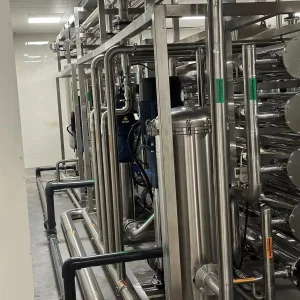
  • Predictive System Support: Large-scale processing units, such as central reverse osmosis (RO) installations, utilize integrated remote diagnostic modules and sensor-driven predictive maintenance algorithms. These tools help prevent unplanned downtime and ensure consistent water purity for manufacturing and laboratory use.

4. Technology Roadmap & Future Outlook

The future of automated testing equipment lies in the convergence of AI-driven analytics, edge computing, and high-precision physical systems. As laboratories and factories transition toward smart manufacturing models (such as Industry 4.0 and smart diagnostic labs), the requirements for instrument intelligence are shifting:

  • Predictive Failure Mechanics: Embedding real-time vibration, temperature, and current sensors directly into motion platforms (6-DOF stages, Z-lift mechanisms) to detect structural fatigue before alignment degradation occurs.
  • Decentralized Molecular Diagnostics (POCT): Developing lightweight, portable, yet fully quantitative PCR systems and ultrasound platforms that allow on-site diagnostics without sacrificing the sensitivity of centralized laboratory tests.
  • AI-Optimized Flue Gas and Fluid Systems: Integrating machine learning models directly into emission monitoring and RO water filtration units to dynamically adjust flow rates, filter usage, and calibration cycles based on ambient environmental conditions.

BioX Medical is actively driving this roadmap by incorporating edge processing modules and IoT connectivity into our next-generation diagnostic and motion platforms. This ensures that our global customers can transition from manual, reactive maintenance models to fully integrated, predictive automation loops.

5. Quality Standards & Compliance Frameworks

To maintain our standing as a trusted partner in medical devices and precision instrumentation, BioX Medical implements comprehensive quality control procedures throughout our design, manufacturing, testing, and inspection workflows. We verify and validate our systems to comply with international standards, ensuring consistent and reliable performance:

  • Clinical & Medical Compliance: Our manufacturing facility adheres to ISO 13485 (Medical Devices Quality Management Systems) and CE-IVD directives. This ensures that our PCR platforms and nucleic acid extraction systems comply with clinical safety standards in Europe and international markets.
  • Metrology & Mechanical Calibration: Every six-degree-of-freedom motion stage and industrial positioning platform undergoes laser interferometer calibration. This process measures and documents angular deviation, straightness, and repeatability to verify compliance with micro-positioning specifications.
  • Environmental & Safety Controls: Industrial emissions monitors and gas analysis configurations are calibrated against certified reference materials. These systems are designed to operate continuously under harsh industrial conditions while maintaining compliance with local environmental protection regulations.

Supported by our engineering, laboratory, and quality management specialists, we provide robust technical documentation, installation qualification (IQ), operational qualification (OQ), and performance qualification (PQ) support. This simplifies compliance and system validation for global diagnostic developers, pharmaceutical entities, and healthcare systems.

Frequently Asked Questions (FAQ)

Addressing key engineering, regulatory, and procurement questions from global diagnostics and automation buyers.

What are the primary performance criteria when sourcing a Six Degree of Freedom (6-DOF) motion platform?
Key metrics include translational and rotational repeatability (typically measured in microns or microradians), load capacity (both static and dynamic), travel range for each axis, stiffness, and dynamic response times. Parallel kinematics (such as Hexapod configurations) are generally preferred over serial designs when high stiffness, low inertia, and high precision across multiple axes are required.
How does the "Long-Life LED" excitation light source on the Leia-X4 PCR system compare to traditional halogen lamps?
Long-life LED excitation light paths offer significant operational advantages. Unlike halogen lamps, which experience intensity decay and require replacement every 1,000 to 2,000 hours, solid-state LED arrays are rated for tens of thousands of hours. They emit a narrow wavelength band, which minimizes thermal drift and photobleaching of fluorescent dyes. This results in highly consistent amplification data across long run cycles.
Do your automated diagnostics platforms support standard data integration formats?
Yes. Our automated molecular diagnostics platforms and quantitative PCR analysis software are designed to interface with Laboratory Information Management Systems (LIMS). They support standard data export formats (CSV, XML) and comply with communication protocols to streamline sample tracking and patient data archiving.
How is "Remote Diagnostics & Predictive Maintenance" implemented on your Central RO systems?
Our Central RO systems feature embedded IoT gateways that continuously monitor operational parameters, including membrane pressure, water conductivity, temperature, and pump duty cycles. This data is transmitted to a secure server, where machine learning algorithms evaluate performance trends. By identifying early indicators of membrane scaling or mechanical wear, the system generates automated maintenance alerts. This prevents unexpected downtime and ensures a reliable supply of purified water.

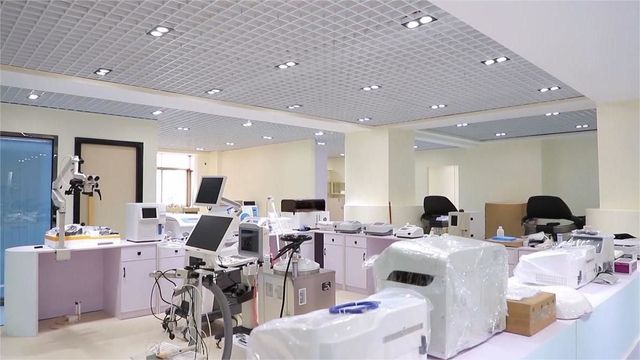
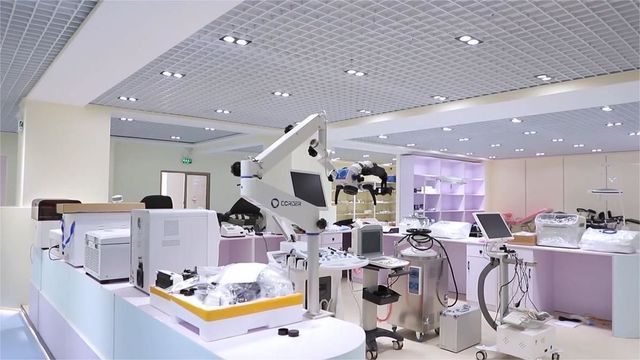
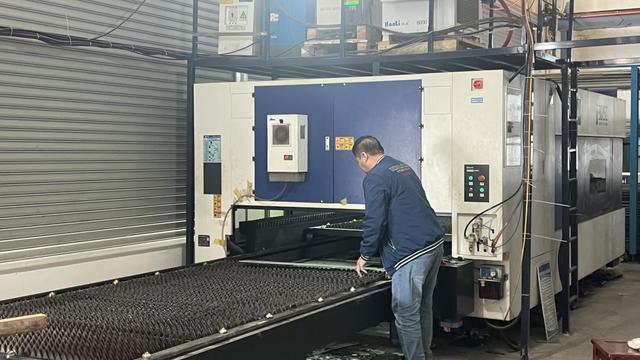
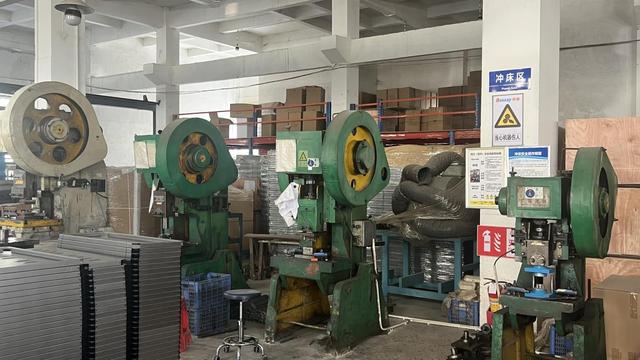
Production & Research Facility

Inside BioX Medical’s manufacturing facilities, R&D laboratories, and cleanroom environments in Shenzhen.