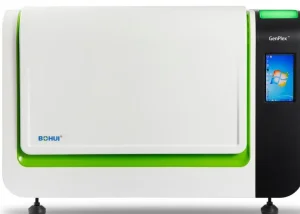
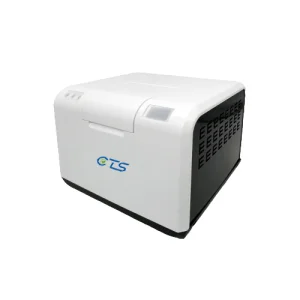
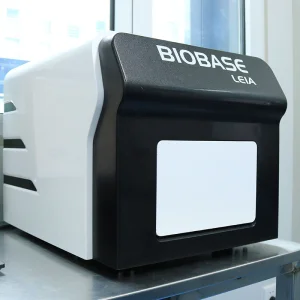
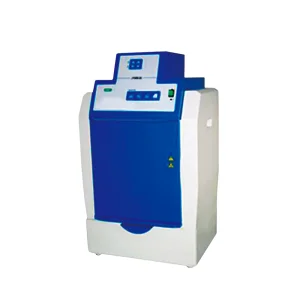
Explore our first tier of advanced screening platforms engineered for high throughput accuracy, clinical diagnostics, and comprehensive lab operations.
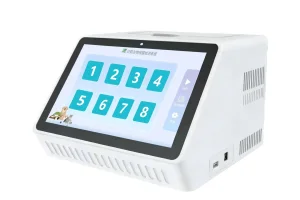
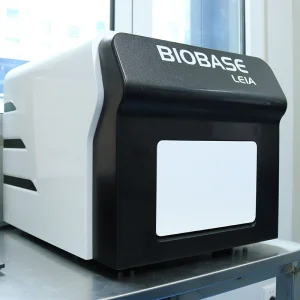
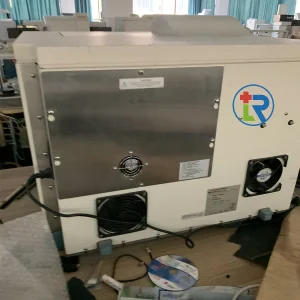
The global landscape of laboratory medicine and biological research is experiencing an unprecedented paradigm shift. Central to this evolution is the deployment of advanced high-throughput screening (HTS) tools and automation platforms. Originally confined to massive pharmaceutical discovery pipelines, high-throughput methodologies, automated nucleic acid manipulation, and multiplex real-time PCR assays have permeated clinical diagnostics, agricultural breeding programs, and local healthcare ecosystems. As a premium manufacturer, Shenzhen BioX Medical Co., Ltd. addresses these shifting paradigm dynamics by engineering scale-ready diagnostic instrumentation that bridges the gap between high analytical reliability and rapid operational output.
Across Europe, North America, and the Asia-Pacific region, regulatory frameworks are evolving to demand faster, more traceable diagnostic results. In the pharmaceutical sector, screening thousands of small molecules or biological constructs requires robust robotic instrumentation and ultra-sensitive fluorescence detection. Concurrently, public health organizations and hospital networks demand diagnostic equipment capable of processing hundreds of clinical samples simultaneously without sacrificing specificity.
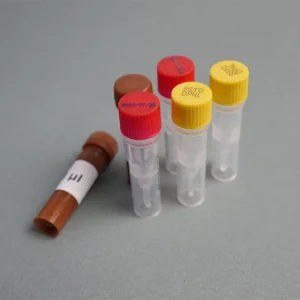
The manufacturing sector has responded by developing systems that combine fluidic automation with real-time optoelectronics. Our range of molecular diagnostic analysis tools, PCR amplification platforms, and automated workflow machinery (such as precise liquid vial sealing units) are designed to minimize manual contamination risks while optimizing the analytical pathway. By establishing specialized production processes in Shenzhen, China's premiere technology hub, BioX Medical coordinates a reliable supply chain that ensures global distributors receive high-tier, CE-compliant biological screening systems.
Enabling rapid, microvolume quantitative detection for genetic mutations, infectious diseases, oncology profiles, and companion diagnostic assays.
Applying high-throughput genotyping and rapid pathogen detection platforms to monitor livestock wellness and optimize crop hybridization programs.
Providing research institutes and diagnostic device companies with flexible custom design, manufacturing, and local integration solutions.
Several core technological factors are driving the design requirements for modern diagnostic machinery:
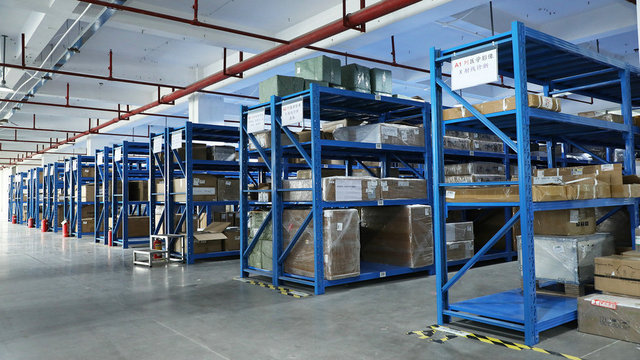
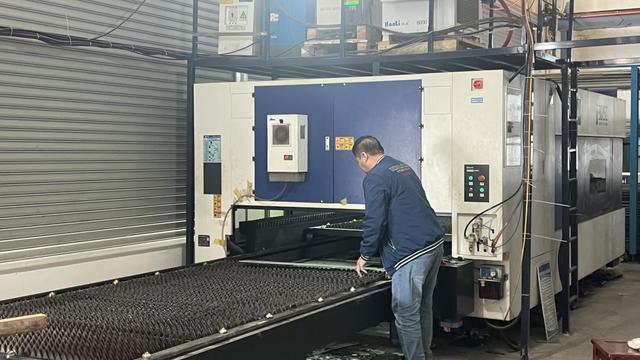
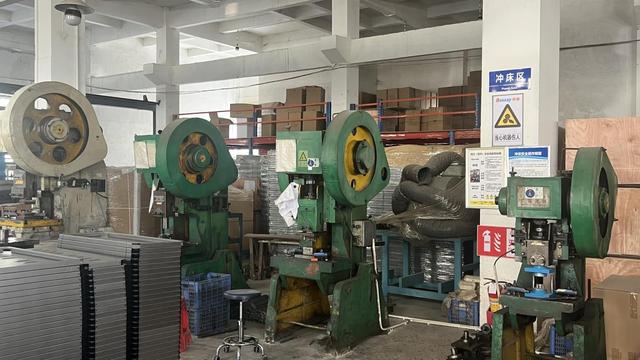
Established in 2017 and headquartered in the biotech innovation hub of Shenzhen, China, Shenzhen BioX Medical Co., Ltd. is a dedicated manufacturer of molecular diagnostic analysis systems, genetic testing solutions, and medical clinical laboratory devices. Our state-of-the-art manufacturing facility occupies an area of more than 9,000 square meters, featuring automated production suites, calibrated optical darkrooms, and advanced quality assurance verification rigs.
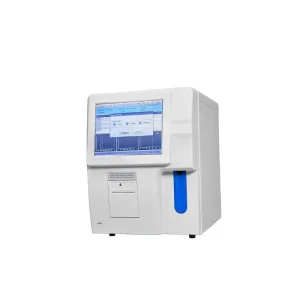
With a multidisciplinary workforce exceeding 200 skilled employees, our company serves customers across Europe, North America, the Asia-Pacific, the Middle East, Latin America, and Africa. By combining structural engineering, advanced electronics, software development, and biological assay design, we ensure that every platform—whether it is our 96-well fluorescent quantitative PCR system or our clinical hematology analyzers—performs to strict international regulatory expectations.
Beyond our proprietary catalog, we offer comprehensive OEM and ODM partnerships. We collaborate with diagnostic kit manufacturers, commercial laboratories, and medical device brands to design custom instrument enclosures, implement specific optical filters, customize application software, and deliver complete molecular testing ecosystems under client branding.
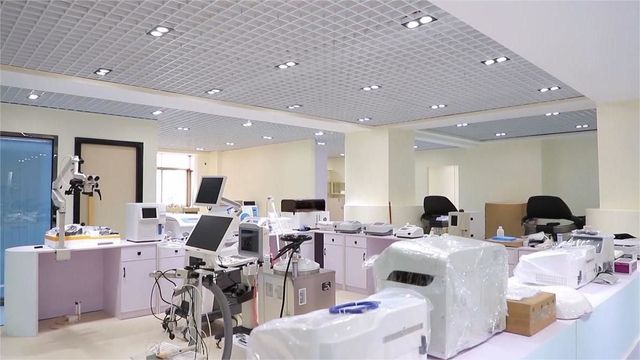

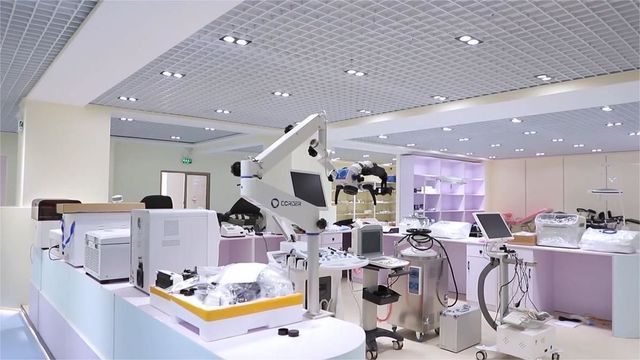
How BioX Medical is steering engineering efforts toward next-generation laboratory automation and point-of-care analysis systems.
Advancing optical emission systems with long-life LED excitation blocks and Peltier-driven heating elements to reduce standard runtimes to under 40 minutes.
Combining primary screening platforms with post-amplification processing, including liquid vial packing, aseptic kit sealing, and label validation systems to protect assay environments.
Refining portable diagnostic enclosures designed for direct clinical deployability, veterinary pathology clinics, and localized border control screening.
Integrating auxiliary facilities like clean energy solar storage carports and high-performance genetic nitrogen liquefication setups to ensure carbon-conscious diagnostics manufacturing.
To support high-throughput manufacturing plants and molecular cleanroom settings, BioX Medical utilizes a range of auxiliary infrastructure technologies. Our facilities require clean electrical distribution systems, precise ambient cooling systems, and specialized gas management infrastructure. This is why our partnerships extend to alternative energy architectures, such as aluminum carport supports and hybrid solar energy storage systems, which safeguard diagnostic instrumentation against power fluctuations.
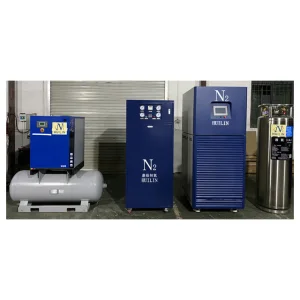
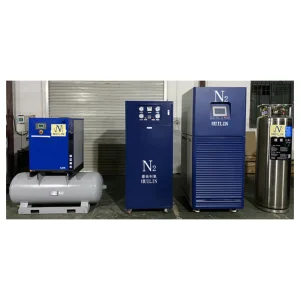
Additionally, our high-volume genetic research divisions rely on localized nitrogen liquefiers and compact nitrogen generators to preserve tissue biobanks and maintain low-temperature workflows. Even facility sanitation processes are supported by industrial washing platforms designed to maintain clean operating areas and sterile clinical equipment prep zones.
Answers to key operational, integration, and configuration questions from laboratories and medical distributors.
Explore our second tier of precision equipment, including specialized gas systems, auxiliary power setups, and clinical analysis units.

 BioX Medical