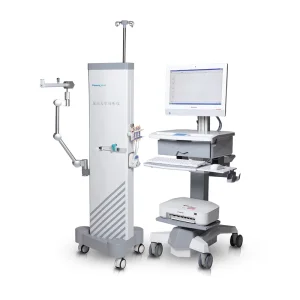
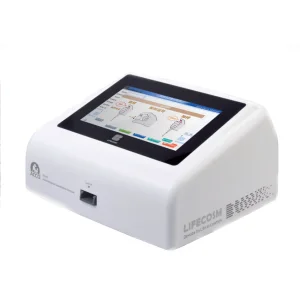
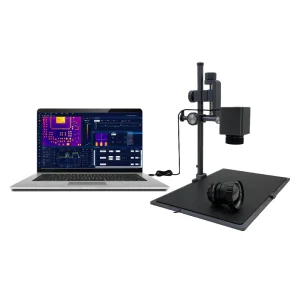
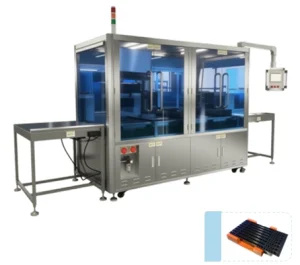
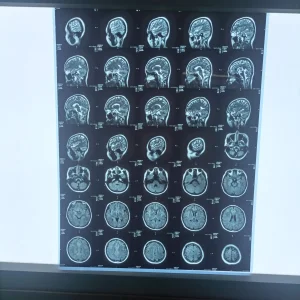
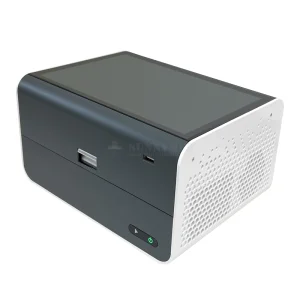
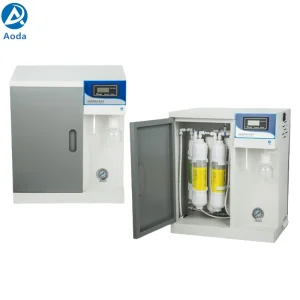
Explore our elite range of certified diagnostic equipment engineered for robust lab work and remote analytical testing.
Over the last decade, microbiome profiling has transitioned from a specialized academic pursuit to a foundational element of clinical diagnostics and personalized health therapeutics. The complex ecosystem of microorganisms residing within the human gastrointestinal tract—as well as skin, oral, and urogenital environments—influences immunological, metabolic, and neurological pathways. Consequently, high-throughput, high-precision microbiome testing systems are in global demand.
As leading manufacturers, we facilitate this shift by developing systems capable of accurately identifying taxonomic profiles and metabolic functions. By optimizing automation, chemical extraction, and digital bioinformatics, our platforms decrease processing time while increasing the fidelity of sequencing data. This provides researchers and healthcare professionals with clinical insights that are both repeatable and legally compliant with modern global standards.
Deciding the right technology pathway determines clinical utility, target specificity, and operational expenditure.
Microbiome testing systems operate across a spectrum of technological platforms depending on the diagnostic objectives. The two primary methods are 16S rRNA Amplicon Sequencing and Shotgun Metagenomic Sequencing. Each method presents unique demands on automation hardware, reagent purity, and downstream computational power.
| Feature Parameter | 16S rRNA Amplicon Sequencing | Shotgun Metagenomic Sequencing | qPCR Profiling (Targeted Panels) |
|---|---|---|---|
| Primary Target | Variable regions (V1-V9) of the prokaryotic 16S ribosomal RNA gene. | Total genomic DNA extracted from the entire sample matrix. | Specific predefined genes associated with target pathogens. |
| Resolution Level | Genus-level classification (limited species-level accuracy). | Species & strain-level identification; functional profiling. | High precision quantitative tracking of target markers. |
| Data Throughput Needed | Low to Medium (~0.1M reads/sample). | Very High (10M - 50M+ reads/sample). | Extremely Low (real-time amplification curves). |
| Cost Profile per Sample | Cost-effective; suitable for population-scale studies. | Premium; investment aligned with detailed genomic mapping. | Lowest; optimal for rapid clinical POC testing. |
By leveraging targeted amplicon sequencing kits, laboratories can achieve scale quickly, minimizing reagent costs and lowering bioinformatic hurdles for population-wide cohort screening.
Metagenomic shotgun workflows provide structural detail of functional capabilities—mapping metabolic pathways, antibiotic resistance genes (ARGs), and host-microbe interactions.
When speed is essential, qPCR-based arrays quickly isolate pathogen presence, offering immediate results for clinical decision-making in human medicine and veterinary diagnostics.
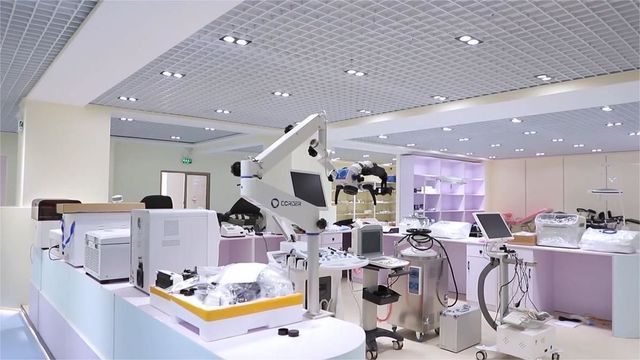
Shenzhen BioX Medical Co., Ltd. is a professional manufacturer specializing in molecular diagnostic analysis systems, genetic testing solutions, and clinical laboratory equipment. Established in 2017, the company is headquartered in Shenzhen, China, a leading center for biotechnology innovation, medical device development, and advanced manufacturing.
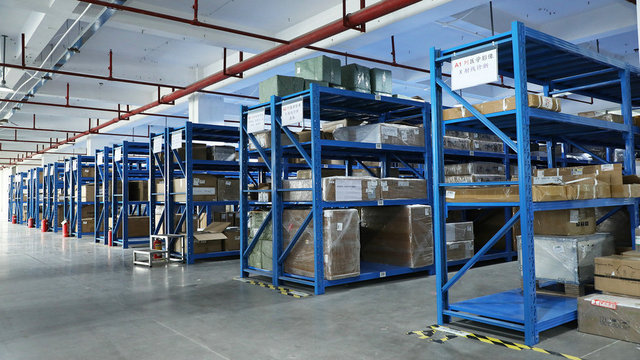
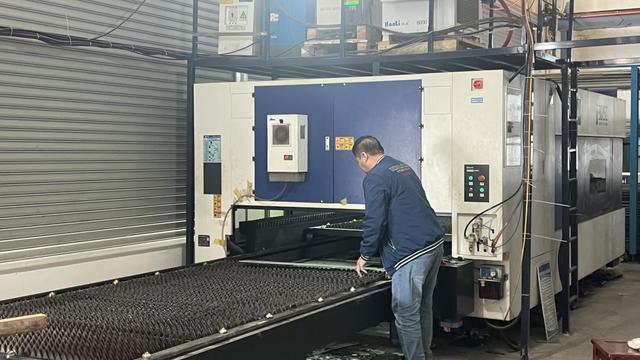
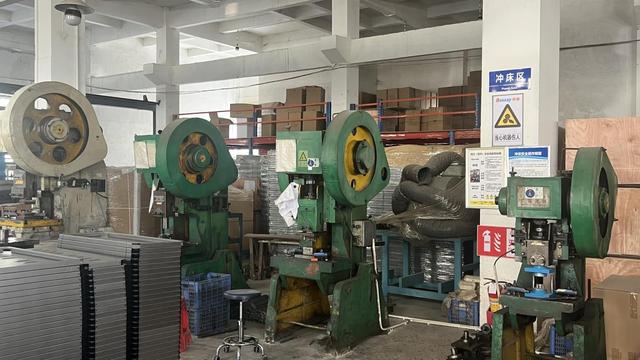
With a modern manufacturing facility covering more than 9,000 square meters and a workforce of over 200 employees, BioX Medical is dedicated to the research, development, production, and supply of molecular diagnostic technologies for clinical laboratories, hospitals, research institutions, public health organizations, and biotechnology companies worldwide.
The company's product portfolio includes molecular diagnostic analysis systems, nucleic acid testing platforms, genetic analysis systems, pathogen detection solutions, biomarker analysis equipment, automated laboratory testing systems, and precision medicine support technologies. By integrating advanced automation, data management capabilities, and laboratory workflow optimization, BioX Medical develops solutions designed to improve testing efficiency, analytical accuracy, and operational reliability.
Supported by a multidisciplinary team of engineers, laboratory specialists, and quality management professionals, the company continuously invests in innovation and product development. Comprehensive quality control procedures are implemented throughout design, manufacturing, testing, and inspection processes to ensure consistent performance and compliance with international industry standards.
Shenzhen BioX Medical Co., Ltd. serves customers across Europe, North America, Asia-Pacific, the Middle East, Latin America, and Africa. The company also provides flexible OEM and ODM services for distributors, diagnostic companies, and healthcare organizations seeking customized molecular testing solutions.
Committed to advancing modern laboratory technologies, BioX Medical focuses on delivering reliable, scalable, and innovative diagnostic systems that support disease detection, genetic analysis, clinical research, and precision healthcare initiatives. Through continuous technological advancement and customer-oriented development, the company strives to contribute to the global evolution of molecular diagnostics and laboratory medicine.
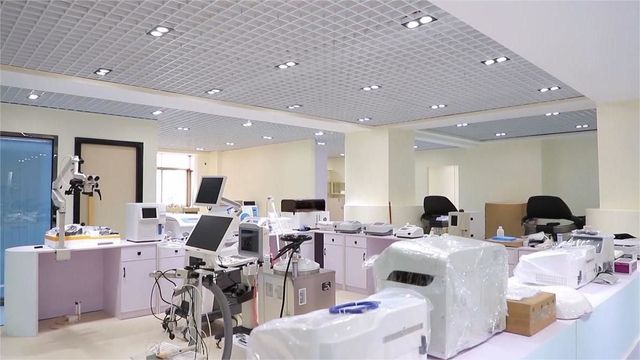

Operating at the intersection of medical engineering, genomic data regulations, and hardware performance validation.
Our manufacturing workflow is certified to ISO 13485 medical device quality management systems. Every micro-component undergoes multi-step validation to guarantee reproducibility.
Data output structures generated by BioX Medical systems conform to international laws regarding health information security (HIPAA) and genetic data privacy regulations (GDPR).
We provide diagnostic assay designers with customizable, white-label analyzer integrations. We manage the core physical hardware engineering while you optimize specific probe layouts.
Anticipating hardware requirements for third-generation long-read platforms and cloud-based metadata processing.
Future iterations of our diagnostic devices feature embedded hardware accelerators to process machine learning-based taxonomic alignment locally. By executing raw signal processing on the edge, diagnostic latency drops by up to 70%, facilitating near-patient clinical microbiology assessments.
We are refining microfluidic cartridge technology to allow high-plex pathogen panel processing on single-use cassettes. This innovation is critical for critical-care diagnostics, where identifying pathogen-specific markers within hours—rather than days—improves patient outcomes.
Optimizing fluorescence sensitivity across channels for faster diagnostic outputs.
Enabling raw specimen extraction and amplification protocols on a single cartridge.
Deploying offline reference databases directly inside primary lab computer modules.
Answering critical queries on system architectures, OEM integration, and global supply logistics.
Precision hardware components, veterinary diagnostic platforms, and cleanroom purification equipment.
 BioX Medical