The molecular diagnostic and life science research landscape is undergoing a seismic shift. As we move further into the 2020s, the "Information Gain" in molecular toolkits is no longer just about the precision of a single test, but the interoperability, scalability, and AI-driven insights of the entire laboratory ecosystem.
Modern research factories are transitioning from manual pipetting to fully automated workstations. High-throughput screening (HTS) allows for thousands of molecular reactions to be processed simultaneously, reducing human error and exponentially increasing data output.
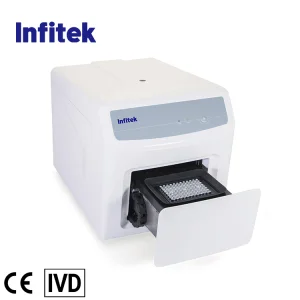
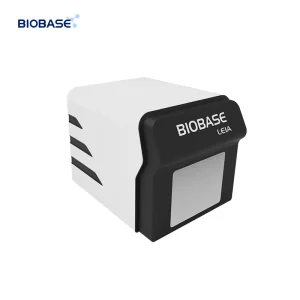
Real-time PCR systems are no longer standalone hardware; they are nodes in a digital network. AI algorithms now assist in baseline subtraction, threshold setting, and predictive diagnostics, turning raw fluorescence data into actionable biological insights.
There is a growing global demand for decentralized testing. Molecular toolkits are becoming smaller and more robust, enabling high-complexity genetic analysis in field settings or remote industrial sites.
Global procurement teams are increasingly looking toward Shenzhen's biotechnology cluster as the heart of "Factory 4.0." The integration of advanced manufacturing with molecular biology has created a unique value proposition: Efficiency at Scale.
Efficiency Advantages of the China Supply Chain:
Shenzhen BioX Medical Co., Ltd. is a professional manufacturer specializing in molecular diagnostic analysis systems, genetic testing solutions, and clinical laboratory equipment. Established in 2017, the company is headquartered in Shenzhen, China, a leading center for biotechnology innovation, medical device development, and advanced manufacturing.
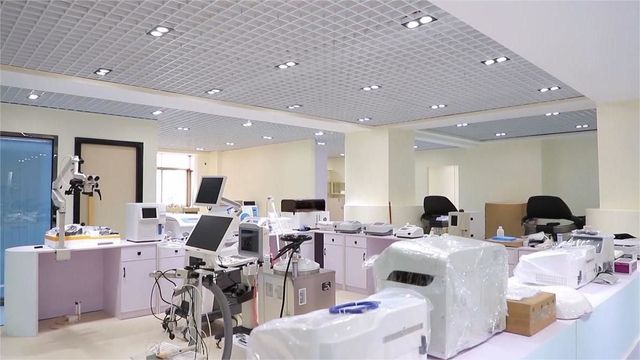
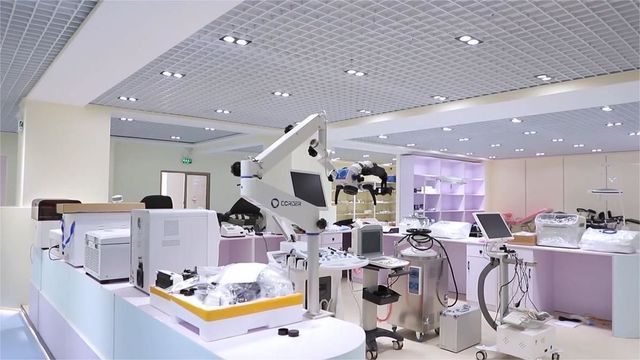
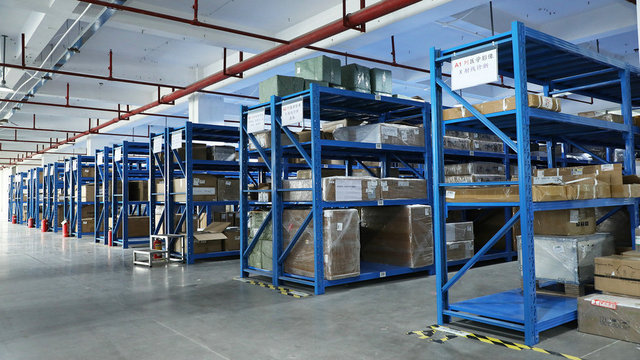
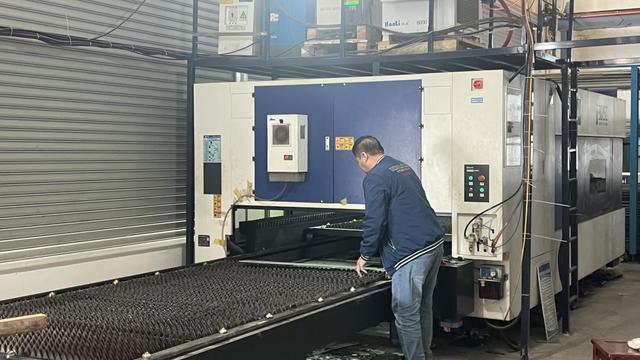
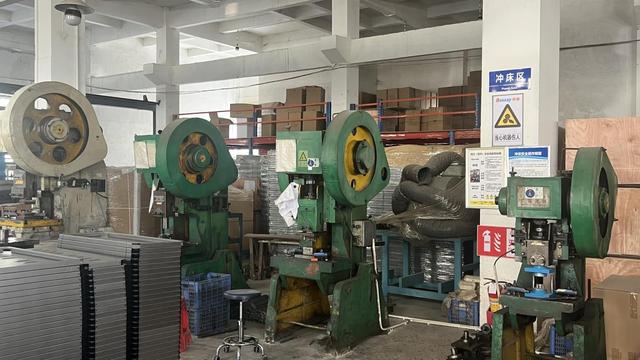
With a modern manufacturing facility covering more than 9,000 square meters and a workforce of over 200 employees, BioX Medical is dedicated to the research, development, production, and supply of molecular diagnostic technologies for clinical laboratories, hospitals, research institutions, public health organizations, and biotechnology companies worldwide.
The company's product portfolio includes molecular diagnostic analysis systems, nucleic acid testing platforms, genetic analysis systems, pathogen detection solutions, biomarker analysis equipment, automated laboratory testing systems, and precision medicine support technologies. By integrating advanced automation, data management capabilities, and laboratory workflow optimization, BioX Medical develops solutions designed to improve testing efficiency, analytical accuracy, and operational reliability.

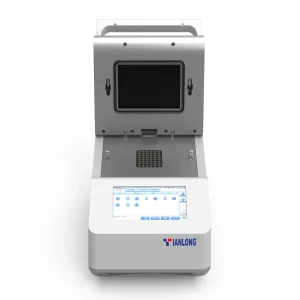
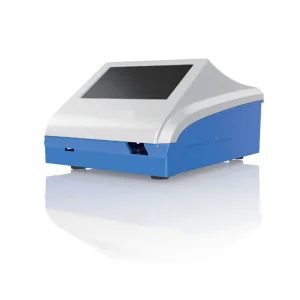
In hospital settings, Real-Time PCR systems (like the Tianlong Gentier 48R) are used for rapid pathogen identification, enabling life-saving decisions in critical care and infectious disease management.
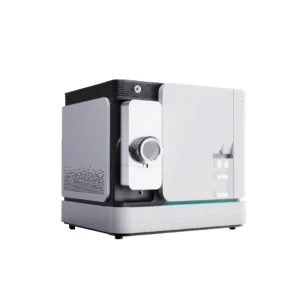
Research factories utilize high-purity Sialic Acid and LC-MS chromatography systems to analyze drug metabolites and ensure the stability of biologics during the development phase.
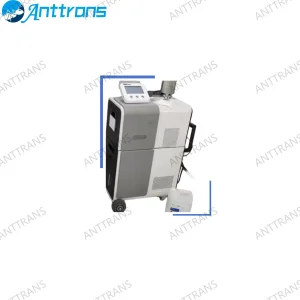
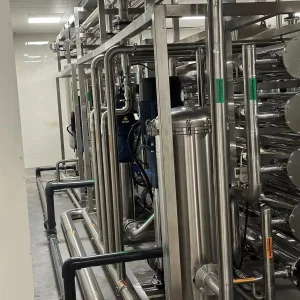
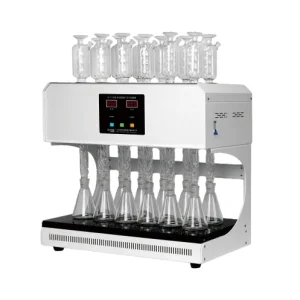
COD Digester systems and RO water systems are critical for industrial environmental labs, ensuring that factory waste meets regulatory standards through precise chemical oxygen demand analysis.
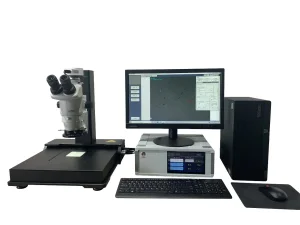
Beyond these primary fields, molecular toolkits are finding homes in Gait Analysis Platforms for postoperative rehabilitation and Technical Cleanliness Analysis in precision automotive and aerospace manufacturing. This cross-industry application proves the versatility of modern molecular and optical hardware.
While both use similar core technologies (like PCR or NGS), clinical systems require higher regulatory certifications (like CE-IVD or FDA) and are designed for standardized patient testing. Research toolkits offer more flexibility for experimental design and method development.
We implement comprehensive quality control throughout design, manufacturing, and inspection. Our multidisciplinary team of engineers and laboratory specialists ensures that every unit—from PCR machines to RO systems—meets international industry standards for consistent performance.
Yes. BioX Medical provides flexible OEM and ODM services for distributors and diagnostic companies seeking customized molecular testing solutions. Our 9,000 sqm facility is equipped for both small-batch specialized production and large-scale manufacturing.
Regular calibration of the thermal block and optical sensors is essential. Systems like the Infitek Real-Time PCR are designed for minimal maintenance, but periodic software updates and environment-controlled operation extend the lifespan of the equipment.
 BioX Medical